
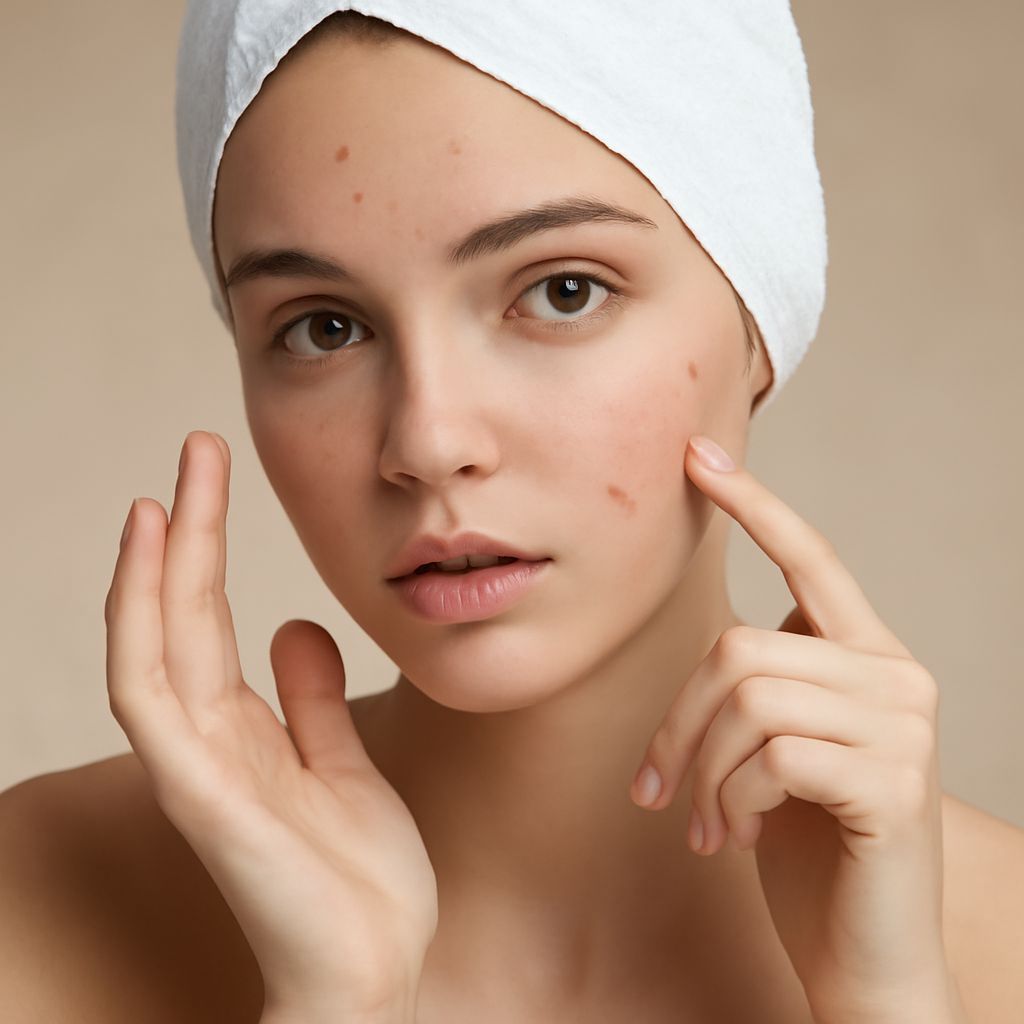
Teen acne is a common issue that affects the self-esteem and confidence of many adolescents. Understanding the causes and exploring effective solutions is crucial for achieving clear skin and regaining confidence. From traditional remedies to modern treatments like PRP skin treatment and focal acne scar treatment, there are numerous options available to address this pervasive skin concern. Whether dealing with mild breakouts or severe acne quistico, knowing what works best for your skin type is essential. This article delves into various treatments and provides practical advice for those seeking to improve their skin appearance.
What Causes Teen Acne and How Can It Be Treated?
Teen acne is primarily triggered by hormonal changes during puberty, which lead to increased oil production and clogged pores. Other factors such as diet, stress, and genetics also play a significant role in the development of acne. Treating adolescent acne often involves a combination of skincare routines and medications. Over-the-counter products containing benzoyl peroxide or salicylic acid can help reduce breakouts. In more severe cases, prescription medications like antibiotics or retinoids may be necessary. It is essential for teens to adopt a regular skincare regimen and consult with a dermatologist for personalized advice.
How Does Acne Quistico Differ from Other Types?
Acne quistico, or cystic acne, is a more severe form of acne characterized by deep, painful cysts beneath the skin’s surface. Unlike other types of acne that appear as superficial pimples or blackheads, cystic acne can cause significant discomfort and scarring. The treatment for acne quistico often requires more intensive interventions such as oral medications, including isotretinoin, which targets severe acne by reducing oil gland activity. Additionally, corticosteroid injections can be administered by a dermatologist to reduce inflammation and pain associated with cysts. Early intervention is crucial to prevent long-term skin damage.
Is PRP Skin Treatment Effective for Acne?
Platelet-rich plasma (PRP) skin treatment is an innovative approach gaining popularity for acne management. PRP utilizes the patient’s plasma, rich in growth factors, to promote healing and regeneration of the skin. This treatment is primarily used to rejuvenate the skin and improve its texture and appearance, making it beneficial for acne scars. While PRP is not a direct treatment for active acne, it can significantly enhance the skin’s healing process post-acne. It is important to seek professional advice to ensure PRP skin treatment is suitable for your specific skin condition and concerns.
What Are the Latest Advances in Skin Cancer Treatment Creams?
Though closely related to acne treatment, understanding advancements in skin cancer treatment creams is essential for comprehensive skincare. New formulations now focus on targeted therapy, using ingredients like imiquimod and 5-fluorouracil to treat specific skin malignancies effectively. While not directly linked to acne, maintaining overall skin health and being aware of products that can enhance cellular repair may contribute to better acne management indirectly. Always consult with a healthcare professional before using any treatment creams to ensure safety and effectiveness.
How Can Focal Acne Scar Treatment Improve Skin Appearance?
Focal acne scar treatment is designed to target specific areas of scarring, helping to improve the overall texture and appearance of the skin. Techniques such as laser therapy, microdermabrasion, and chemical peels are commonly employed to reduce the visibility of scars. Laser treatment works by stimulating collagen production, aiding in the regeneration of healthy skin cells. Microdermabrasion exfoliates the skin, removing dead cells and promoting skin renewal. Chemical peels help in resurfacing the skin, diminishing scars and uneven pigmentation. These treatments can significantly enhance the skin’s appearance, boosting confidence among those affected by acne scars.
Tips and Tricks for Managing Acne at Home
Managing acne at home involves adopting a consistent skincare routine and making lifestyle changes. Always cleanse the skin gently twice daily to remove excess oil and impurities. Incorporate non-comedogenic moisturizers to maintain hydration without clogging pores. Eating a balanced diet rich in fruits, vegetables, and omega-3 fatty acids can support skin health. Avoid picking or squeezing pimples to prevent scarring. Regularly change pillowcases and towels to reduce bacteria exposure. These simple practices can make a significant difference in controlling acne outbreaks and achieving clearer skin.
Next steps: For those struggling with acne, it’s vital to consult with a dermatologist for accurate diagnosis and treatment recommendations. Regular monitoring and adjusting treatments as needed will help in managing acne effectively. Always test new products on a small skin area to check for sensitivity before full application. Continued adherence to a personalized skincare regimen will support long-term skin health.



Leave a Reply