
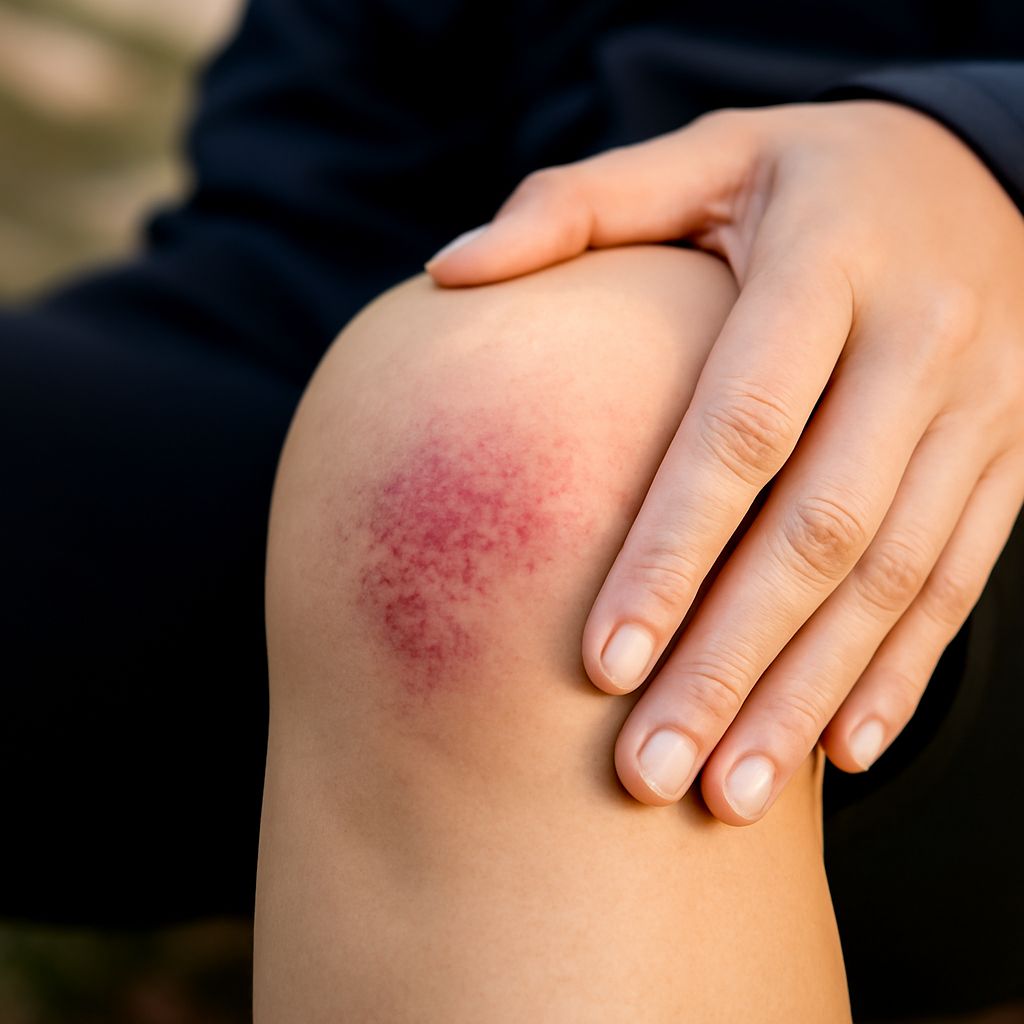
Bleeding into the skin is a common yet alarming condition that many people experience at some point in their lives. This occurs when blood vessels, specifically broken blood vessels under the skin, rupture and cause blood to leak into the surrounding tissues, leading to visible bruising. Understanding the causes and treatments of this condition is essential to managing and preventing it effectively.
From minor injuries to underlying medical conditions, several factors can lead to blood under the skin. While most cases are harmless and resolve on their own, it’s crucial to recognize the symptoms and know when to seek medical attention. This article explores the various causes, symptoms, and treatments for bleeding under the skin, offering insights into both prevention and care.
What Causes Blood Under the Skin?
Understanding Broken Blood Vessels Under Skin
Blood vessels under the skin can break due to numerous reasons, leading to localized bleeding. These broken blood vessels are often the result of physical trauma, such as a bump or fall, which directly impacts the skin’s surface. In some instances, fragile or weakened blood vessels may rupture spontaneously, especially in individuals with certain medical conditions.
Common Triggers for Bleeding Under Skin
Various factors can trigger bleeding under the skin. Common causes include minor injuries, such as cuts or scrapes, that damage the delicate blood vessels. Additionally, medical conditions like hemophilia or vitamin deficiencies can predispose individuals to bruising. Allergic reactions to medications or infections can also lead to this phenomenon by causing inflammation and weakness in the blood vessels.
What Are the Symptoms of Bleeding Under the Skin?
Identifying Signs of Bleeding into the Skin
The most noticeable symptom of bleeding into the skin is the appearance of a bruise or a patch of discolored skin. This discoloration often starts as a dark purple or black mark, gradually fading to shades of green, yellow, or brown as it heals. In some cases, the affected area may be tender to the touch or slightly swollen.
When to Seek Medical Attention
While most instances of bleeding under the skin are harmless, certain signs indicate the need for medical evaluation. If you experience frequent or unexplained bruising, or if bruises are accompanied by severe pain, swelling, or changes in skin texture, it is important to consult a healthcare professional. Persistent bleeding or large areas of discoloration may signal an underlying condition requiring medical attention.
How Can You Treat Bleeding Under the Skin?
Home Remedies for Bleeding Under Skin
For minor cases of bleeding under the skin, several home remedies can promote healing and reduce discomfort. Applying a cold compress to the affected area shortly after injury can help minimize swelling and slow down bleeding. Elevating the bruised area above the level of the heart also assists in reducing swelling, particularly for injuries on the arms or legs.
Medical Treatments for Severe Cases
In situations where bleeding under the skin is severe or recurrent, medical intervention may be necessary. Treatments can include medications to address underlying conditions such as clotting disorders or vitamin deficiencies. In cases where an allergic reaction is involved, antihistamines or corticosteroids may be prescribed to reduce inflammation and strengthen fragile blood vessels.
How to Prevent Bleeding Under the Skin?
Daily Habits to Protect Your Skin
Preventing bleeding under the skin can often be achieved by adopting protective daily habits. Wearing protective clothing and gear during physical activities reduces the risk of injury. Additionally, maintaining skin hydration and using moisturizers can improve skin resilience, decreasing the likelihood of damage from minor abrasions.
Nutritional Tips to Strengthen Blood Vessels
Nutrition plays a crucial role in maintaining strong blood vessels. Consuming a balanced diet rich in vitamins C and K can enhance blood vessel integrity and reduce the risk of bleeding. Foods such as citrus fruits, leafy greens, and nuts provide essential nutrients that support vascular health. It is also advisable to limit alcohol consumption and avoid smoking, as these can weaken blood vessels over time.
Key takeaways: Understanding the causes and symptoms of bleeding under the skin can aid in effective management and prevention. While minor bruises usually resolve on their own, persistent or unexplained bleeding requires medical attention. Adopting protective habits and a nutritious diet can strengthen blood vessels and reduce the likelihood of bleeding.




Leave a Reply