
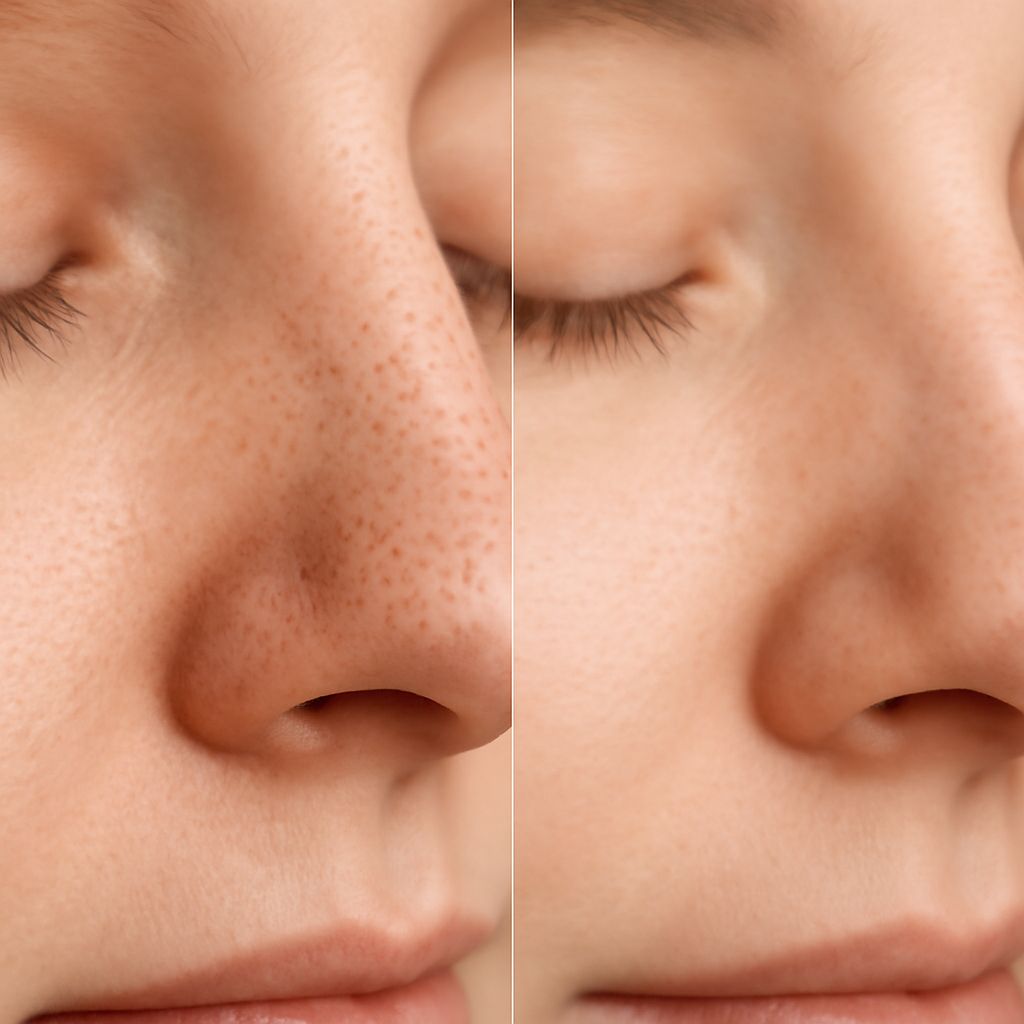
Hyperpigmentation from acne is a prevalent concern that affects many individuals, causing distress and a dip in self-confidence. While acne itself can be challenging, the lingering marks known as acne hyperpigmentation can persist long after the blemishes have healed. Fortunately, understanding the root causes can lead to effective solutions, including advanced treatments like microdermabrasion.
Addressing acne hyperpigmentation involves a multi-faceted approach — from identifying triggers and implementing preventive strategies to exploring a variety of acne hyperpigmentation treatments. This guide delves into the intricacies of hyperpigmentation acne and offers a comprehensive look at managing this stubborn skin condition.
What Causes Hyperpigmentation Acne?
Hyperpigmentation acne primarily results from the skin’s response to inflammation. When acne lesions heal, the skin can produce excess melanin, leading to dark spots. This condition is exacerbated by picking or squeezing blemishes, which can increase inflammation and pigment production.
How is Acne Hyperpigmentation Different from Other Skin Issues?
Unlike other skin issues, acne hyperpigmentation specifically arises post-acne. While some skin conditions result in textural changes or permanent scarring, hyperpigmentation is a temporary discoloration that can fade over time. However, it is distinct from other pigmentation disorders like melasma or sunspots, which are not acne-related.
What are the Common Triggers for Hyperpigmentation from Acne?
Several factors can trigger hyperpigmentation from acne. Sun exposure without adequate protection can darken pigmented spots. Hormonal changes, commonly seen during puberty or pregnancy, can also exacerbate pigmentation. Moreover, certain medications may increase skin sensitivity to sunlight, further worsening the condition.
How to Prevent Acne Hyperpigmentation Effectively
Prevention is key in managing acne hyperpigmentation. Consistently using broad-spectrum sunscreen can protect the skin from UV-induced pigmentation. Avoiding the temptation to pick at acne can reduce the risk of inflammation and subsequent pigmentation. Incorporating gentle skincare products that promote cell turnover, like retinoids, can also help maintain an even skin tone.
Exploring Acne Hyperpigmentation Treatment Options
There are numerous acne hyperpigmentation treatments available, ranging from over-the-counter solutions to professional procedures. Topical treatments with ingredients like vitamin C, kojic acid, and niacinamide are popular for their brightening effects. For more severe cases, dermatologists may recommend chemical peels or laser therapy to reduce pigment intensity.
How Does Microdermabrasion Help with Acne Scars?
Microdermabrasion is a non-invasive procedure that can significantly improve the appearance of acne scars and hyperpigmentation. By gently exfoliating the outermost skin layer, it promotes cell regeneration and diminishes discoloration. This treatment is especially beneficial for individuals seeking to reduce superficial acne scars without the downtime associated with more intensive procedures.
Microdermabrasion Before and After: Real Results
Patients who undergo microdermabrasion often report a more even skin tone and a reduction in the appearance of dark spots. The treatment enhances skin texture and clarity, providing noticeable improvement after a few sessions. While results can vary, many find it an effective solution for mild to moderate hyperpigmentation.
Natural Remedies for Hyperpigmentation from Acne
Several natural remedies can support the reduction of hyperpigmentation from acne. Aloe vera gel is renowned for its soothing and healing properties, while green tea extract offers antioxidant benefits that can lighten pigmentation. Additionally, consistent use of lemon juice, known for its natural bleaching effect, may help to diminish dark spots over time. Always perform a patch test to avoid potential irritation.
Topical Products for Managing Acne Hyperpigmentation
Topical skincare products can play a crucial role in managing acne hyperpigmentation. Products containing hydroquinone are among the most effective for lightening dark spots. Meanwhile, azelaic acid offers anti-inflammatory benefits that can calm irritated skin and reduce pigmentation. Incorporating a product with retinol can further accelerate cell turnover, leading to a brighter complexion.
Consulting a Dermatologist: When is It Necessary?
While many treatments for acne hyperpigmentation can be successfully managed at home, consulting a dermatologist is advisable for persistent or severe cases. A professional can offer personalized treatment plans and may recommend more advanced options like microdermabrasion or prescription-strength products. It’s essential to seek expert advice if home treatments do not yield the desired results.
Key takeaways: Understanding the causes and triggers of hyperpigmentation from acne is crucial in effectively treating it. From preventive measures to advanced treatments like microdermabrasion, there are multiple strategies to achieve clearer skin. Always consider consulting with a dermatologist for tailored guidance and ensure to perform a patch test when trying new skincare products to prevent adverse reactions.




Leave a Reply