
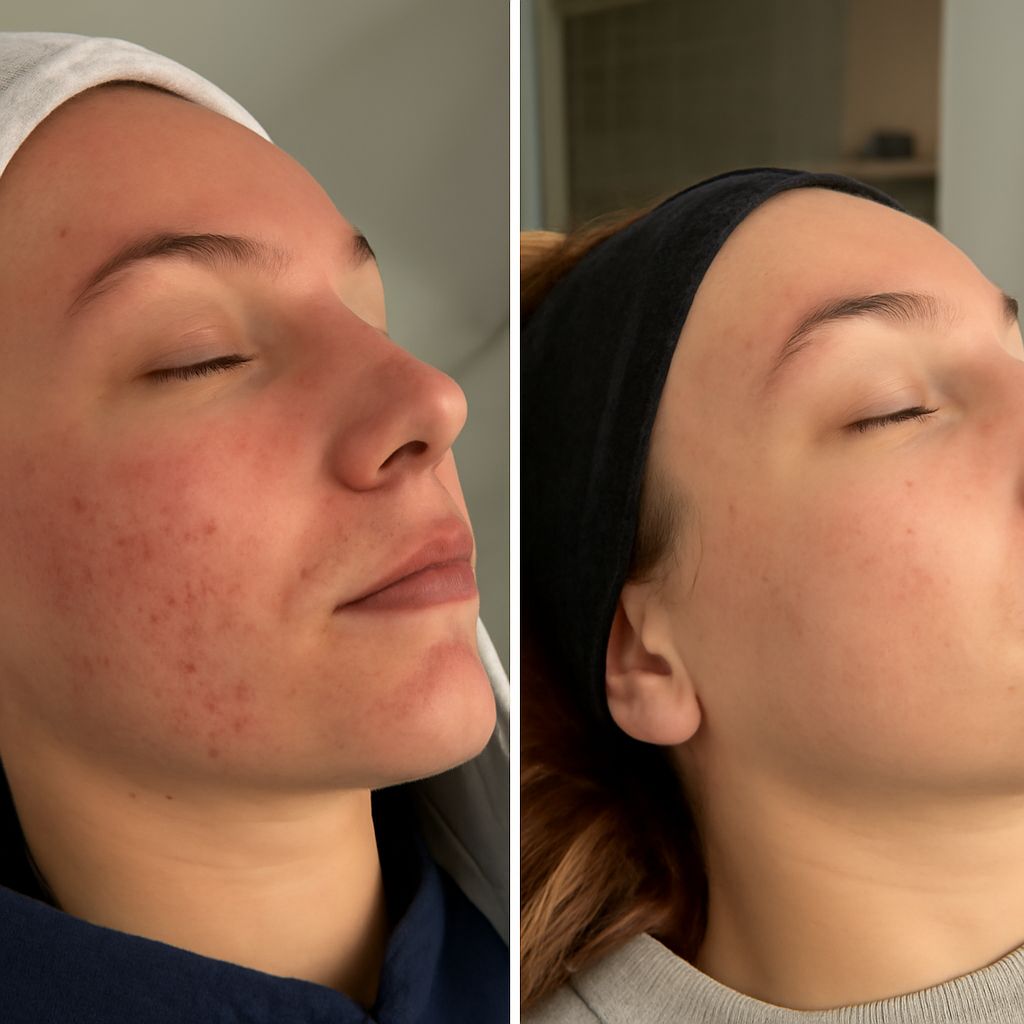
Acne scars can be a persistent issue for many individuals, affecting self-esteem and confidence. While numerous treatments promise clear skin, few deliver results as visibly transformative as chemical peels. These peels, when applied correctly, reveal clearer skin by reducing the appearance of acne scars. But what is it about chemical peels that makes them so effective? By understanding the process and incorporating solutions like hydroquinone, you can embark on a journey towards healthier, scar-free skin.
The journey of acne scars before and after undergoing a chemical peel can be remarkable. This guide aims to explore the various facets of chemical peels, their effectiveness, and how combining them with hydroquinone can lead to optimal results. Whether you opt for professional treatments or at-home applications, understanding the nuances can make all the difference in your skin’s transformation.
What are Chemical Peels and How Do They Work?
Types of Chemical Peels
Chemical peels come in various strengths, primarily categorized into superficial, medium, and deep peels. Superficial peels use mild acids like alpha-hydroxy acids to gently exfoliate the outermost skin layer. Medium peels, typically using trichloroacetic acid, penetrate deeper into the skin. Deep peels, involving phenol, provide dramatic results but require more recovery time.
Benefits of Chemical Peels for Acne Scars
Chemical peels are renowned for their ability to enhance skin texture and tone. For individuals dealing with acne scars, these treatments can significantly reduce their depth and appearance by promoting the growth of new skin cells. The exfoliation process helps to remove dead skin cells, paving the way for healthier skin.
How Effective are Chemical Peels for Acne Scars Before and After?
Real-life Transformations
The effectiveness of chemical peels is often best demonstrated through before and after pictures. Many users report a noticeable softening of scars and an overall improvement in skin clarity. Such real-life success stories can be encouraging for those considering this treatment.
Factors Influencing Effectiveness
Several factors influence the outcome of chemical peels, including the type of peel used, the severity of the scars, and skin type. Consulting with a dermatologist can help determine the most suitable peel for your specific skin concerns, ensuring optimal results.
Why Consider Hydroquinone for Acne Scars Before and After?
Benefits of Hydroquinone
Hydroquinone is a powerful skin-lightening agent known for its ability to reduce hyperpigmentation and even out skin tone. When used in conjunction with chemical peels, it can enhance the reduction of acne scars, making them less noticeable over time.
Combining Hydroquinone with Chemical Peels
When hydroquinone is combined with chemical peels, it amplifies the peel’s effect by further diminishing pigmentation. This combination can lead to a more uniform skin tone, accelerating the healing process of acne scars.
How to Use Chemical Peels at Home for Acne Scars
Step-by-step Guide
Using chemical peels at home requires a careful approach. Begin by cleansing your face thoroughly. Apply the peel evenly, avoiding sensitive areas such as the eyes and lips. Allow the peel to sit for the recommended time before neutralizing and rinsing with water.
Safety Precautions
While performing chemical peels at home, ensure you conduct a patch test first to avoid adverse reactions. Always follow the product instructions and avoid over-exfoliating, which can lead to irritation or burns. Seek professional advice if you’re unsure about the process.
Choosing the Right Product
Selecting the right peel is crucial. Look for products that match your skin’s needs and sensitivities. Opt for reputable brands with proven results, and if possible, consult a dermatologist for recommendations tailored to your skin type.
What to Expect: Chemical Peel Before and After Pictures
Immediate Results
Immediately following a chemical peel, the skin may appear red or feel tight. These are common reactions that typically subside within a few days, revealing a fresher skin surface.
Long-term Improvements
Over time, as the skin heals, you will notice significant improvements in the texture and tone. Consistent care and following a post-peel skincare regimen can maintain and enhance these results.
Are There Any Side Effects of Chemical Peels?
Common Side Effects
Common side effects include redness, peeling, and temporary sensitivity. These effects are usually mild and subside as the skin recovers. However, understanding and preparing for these side effects can help manage them effectively.
How to Minimize Risks
To minimize risks, it’s crucial to follow all instructions carefully and use sunscreens to protect the skin post-peel. Avoiding sun exposure and refraining from using harsh skincare products can also prevent complications.
How to Maintain Results After a Chemical Peel
Post-peel Skincare Routine
After a chemical peel, adhering to a soothing and hydrating skincare routine can help maintain results. Use gentle cleansers, moisturizers, and sunscreens to protect and nourish the skin as it heals.
Lifestyle Tips for Lasting Results
To prolong the benefits of a chemical peel, maintain a healthy lifestyle. Stay hydrated, eat a balanced diet, and avoid smoking. Regularly exfoliating and moisturizing will support skin renewal and keep it looking vibrant.
Pro Tips Recap: To optimize the benefits of chemical peels for acne scars, select the right type of peel and consider incorporating hydroquinone for enhanced results. Follow a meticulous at-home application process or seek professional guidance for the best outcome. Prioritize post-peel care to amplify and sustain the transformation, always keeping skin safety in mind.




Leave a Reply