
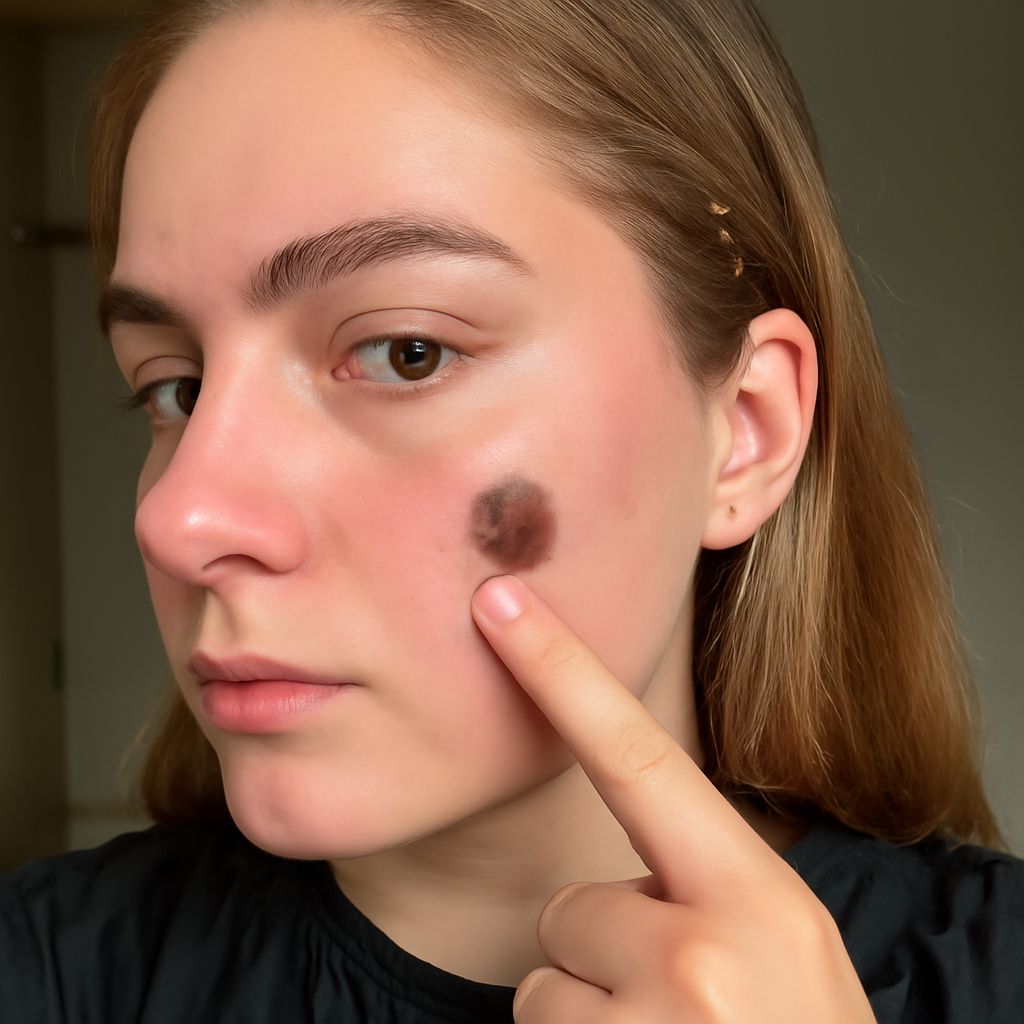
Skin cancer is a growing concern, affecting millions globally. While commonly associated with excessive sun exposure on areas like the nose or cheeks, skin cancer on the hand and eyelid often goes unnoticed until it’s advanced. Distinguishing between a simple pimple and skin cancer is crucial for early detection and treatment. Understanding the symptoms, causes, and preventive measures can significantly reduce the risk of this disease.
To address this serious issue, awareness and education are vital. Knowing the symptoms of skin cancer on the hand and understanding how it develops on the eyelid can empower individuals to take proactive steps for prevention. Moreover, differentiating between a benign pimple and potential malignancy ensures timely medical intervention.
What Are the Symptoms of Skin Cancer on the Hand?
Identifying Early Signs
Early detection of skin cancer on the hand is critical. Look for persistent, unusual sores or growths that do not heal. Changes in the texture or color of existing moles or spots are also warning signs. Regular self-examinations can help catch these early indicators.
Common Misconceptions
Many people mistakenly believe that skin cancer cannot affect the hands. However, the hands are often exposed to sunlight and other environmental factors, making them vulnerable. Dismissing a persistent rash or bump as a harmless pimple can delay crucial treatment.
When to Seek Medical Advice
If you notice any suspicious changes in your skin that persist beyond a few weeks, it’s essential to consult a healthcare professional. Timely diagnosis can make a significant difference in treatment outcomes.
How Does Skin Cancer Develop on the Eyelid?
Understanding Eyelid Skin Cancer
Eyelid skin cancer occurs when the cells in this delicate area become abnormal and grow uncontrollably. It often masquerades as benign conditions, making it challenging to diagnose without professional evaluation.
Risk Factors Involved
Prolonged exposure to UV rays, fair skin, and a history of sunburns increase the risk of developing skin cancer on the eyelid. Individuals with weakened immune systems or a family history of skin cancer should be particularly vigilant.
Preventive Measures
Wearing sunglasses with UV protection and applying sunscreen formulated for the face can significantly reduce the risk of eyelid skin cancer. Regular dermatological check-ups are also advisable for those at higher risk.
What Is the Difference Between a Pimple and Skin Cancer?
Visual Differences
While pimples and skin cancer can look similar, there are distinct differences. Pimples typically have a white or black center and resolve within a few days. Skin cancer, on the other hand, appears as a persistent nodule or sore.
Symptoms Comparison
Pimples may cause temporary discomfort but generally do not lead to systemic symptoms. Skin cancer can cause persistent irritation, bleeding, or crusting. If these symptoms persist, medical advice should be sought.
Treatment Options
Treatment for pimples often includes topical ointments and good hygiene. In contrast, skin cancer may require surgical intervention, radiation, or chemotherapy, depending on its type and stage.
How Is Skin Cancer on the Hand Diagnosed and Treated?
Diagnostic Procedures
Diagnosis typically involves a thorough skin examination and a biopsy to determine if the suspicious lesion is cancerous. Early-stage detection can lead to more straightforward and effective treatments.
Treatment Options
Treatment varies depending on the cancer type and its progression. Options include surgical excision, Mohs surgery, and topical chemotherapy. Each approach aims to remove cancerous cells while preserving healthy tissue.
Post-Treatment Care
After treatment, follow-up appointments are crucial to monitor for recurrence. Patients are often advised to protect their skin from further UV exposure and follow a skincare regimen to support healing.
What Steps Can Be Taken to Prevent Skin Cancer on the Eyelid?
Daily Protective Measures
Incorporating sun protection into your daily routine is vital. Use a broad-spectrum sunscreen on your face, including the eyelids, and wear hats or sunglasses to further shield your skin from UV damage.
Long-term Prevention Strategies
Long-term strategies include regular skin examinations and maintaining a healthy lifestyle to support overall skin health. Avoiding tanning beds and seeking shade during peak sun hours can also reduce risks.
How to Care for Your Skin After Treatment for Skin Cancer?
Recovery Process
Post-treatment recovery involves managing any surgical sites and using prescribed topical treatments to promote healing. Patients should follow their doctor’s advice and report any unusual changes in their skin.
Skin Care Tips
Maintaining a gentle skincare routine that includes moisturizing and avoiding irritants can help protect healing skin. Sunscreen remains crucial to prevent further damage.
Follow-up Appointments
Regular follow-up visits with your healthcare provider ensure any recurrence is detected early. During these appointments, your doctor may perform skin checks and provide additional recommendations for ongoing care.
Key takeaways: Early detection and treatment of skin cancer on the hand and eyelid are essential for successful outcomes. Understanding the differences between benign conditions and potential malignancies empowers individuals to seek timely medical advice. Implementing preventive strategies and maintaining diligent skincare can significantly reduce the risk of developing skin cancer.




Leave a Reply