
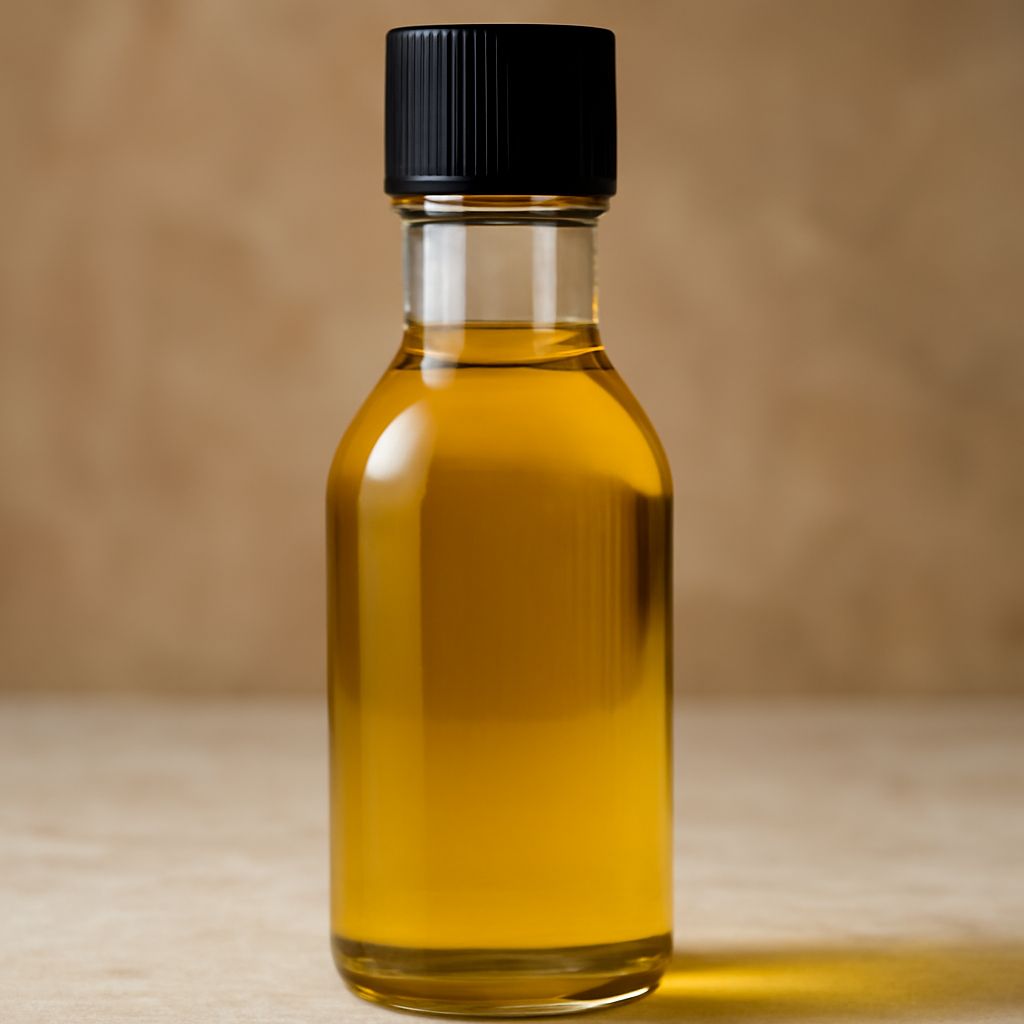
Aging is a natural part of life, but it can often lead to unwelcome changes in the skin, such as wrinkles, fine lines, and sagging. Many people look for ways to combat these signs of aging and rejuvenate their appearance. Fortunately, the best essential oils for skin tightening offer a natural and effective solution. These essential oils not only help in improving skin elasticity but also hydrate and nourish the skin, providing comprehensive care for aging skin.
Essential oils for aging skin have gained popularity due to their powerful properties and ability to promote skin renewal. By incorporating these oils into your skincare routine, you can combat crepey skin and enhance your skin’s overall health. This guide will explore the top essential oils for tightening and rejuvenating aging skin.
What Are the Best Essential Oils for Skin Ageing?
Lavender Oil Benefits
Lavender oil is known for its soothing properties, making it a top choice among essential oils for aging skin. It helps reduce inflammation and promotes relaxation, which can indirectly aid in skin rejuvenation. The antioxidants present in lavender oil combat free radicals, a major cause of skin aging.
Frankincense Oil Uses
Frankincense oil is renowned for its skin-tightening capabilities. It promotes cellular regeneration, making it an excellent choice for those looking to improve skin elasticity. By enhancing the appearance of pores and reducing wrinkles, it’s one of the best essential oils for skin tightening.
Rosehip Oil for Skin Renewal
Rich in vitamins A and C, rosehip oil is celebrated for its ability to rejuvenate the skin. It aids in reducing age spots and scars, enhancing the skin’s overall tone and texture. Rosehip oil’s hydrating properties make it a powerful tool for combating crepey skin and maintaining a youthful appearance.
How Do Essential Oils Help with Skin Tightening?
Mechanisms of Skin Tightening
Essential oils work by stimulating collagen production, which is crucial for maintaining skin firmness. They also boost blood circulation, which helps in delivering nutrients to the skin, resulting in improved elasticity and tighter skin.
Top Oils for Firming
- Geranium Oil: Known for its astringent properties, geranium oil helps in tightening the skin and minimizing the appearance of wrinkles.
- Neroli Oil: This oil is highly effective in reducing skin sagging and improving elasticity, making it a staple for anti-aging care.
Application Techniques
To maximize the benefits of essential oils, proper application is key. Use a carrier oil to dilute essential oils before applying them to the skin. Massage in gentle, circular motions to enhance absorption and stimulate circulation.
Which Essential Oils Are Best for Aging Skin?
Combating Wrinkles
Wrinkles can be effectively reduced with essential oils such as helichrysum and sandalwood. These oils penetrate deeply to repair skin cells and boost collagen production, which helps in smoothing out fine lines.
Reducing Fine Lines
Essential oils like myrrh and patchouli are excellent for minimizing fine lines. They possess antioxidant properties that protect the skin against oxidative stress, a major contributor to premature aging.
Improving Skin Elasticity
To enhance skin elasticity, consider using clary sage and pomegranate seed oil. These oils are known for their ability to firm the skin and improve its resilience, making them indispensable for anti-aging routines.
Can Essential Oils Improve the Appearance of Crepey Skin?
Hydration Benefits
Crepey skin often results from a lack of moisture. Essential oils like argan and jojoba provide intense hydration, which plumps up the skin and reduces the crepey appearance.
Skin Texture Enhancements
Regular use of essential oils can significantly enhance skin texture. Oils like ylang-ylang and vetiver help in balancing oil production and refining the skin’s surface, contributing to a smoother and more youthful complexion.
How to Use Essential Oils Safely for Aging Skin?
Dilution Guidelines
Always dilute essential oils with a carrier oil such as almond or coconut oil before application to prevent irritation. A typical ratio is 1-2 drops of essential oil per teaspoon of carrier oil.
Patch Testing Procedures
Before using a new essential oil, conduct a patch test to check for allergic reactions. Apply a small amount of the diluted oil to a discreet area of skin and wait 24 hours to see if any irritation occurs.
What Are the Risks of Using Essential Oils for Skin?
Potential Allergic Reactions
While essential oils are generally safe, they can cause allergic reactions in some individuals. Symptoms may include redness, itching, or swelling.
Skin Sensitivity Issues
Some essential oils can increase skin sensitivity, especially when exposed to sunlight. Oils like bergamot and lemon should be used with caution and preferably applied in the evening to avoid photosensitivity.
Where Can You Purchase High-Quality Essential Oils?
Reputable Brands
When purchasing essential oils, choose reputable brands that provide therapeutic-grade oils. Look for certifications and purity tests to ensure quality.
Buying Tips
- Check for dark glass bottles that protect the oil from light exposure.
- Read customer reviews to gauge the quality of the product.
- Avoid oils with synthetic fragrances or additives.
Safety Recap: When using essential oils, always prioritize safety by diluting them properly and conducting a patch test. Be mindful of potential allergic reactions and increased sensitivity to sunlight. By following these precautions, you can enjoy the rejuvenating benefits of essential oils for aging skin.




Leave a Reply