
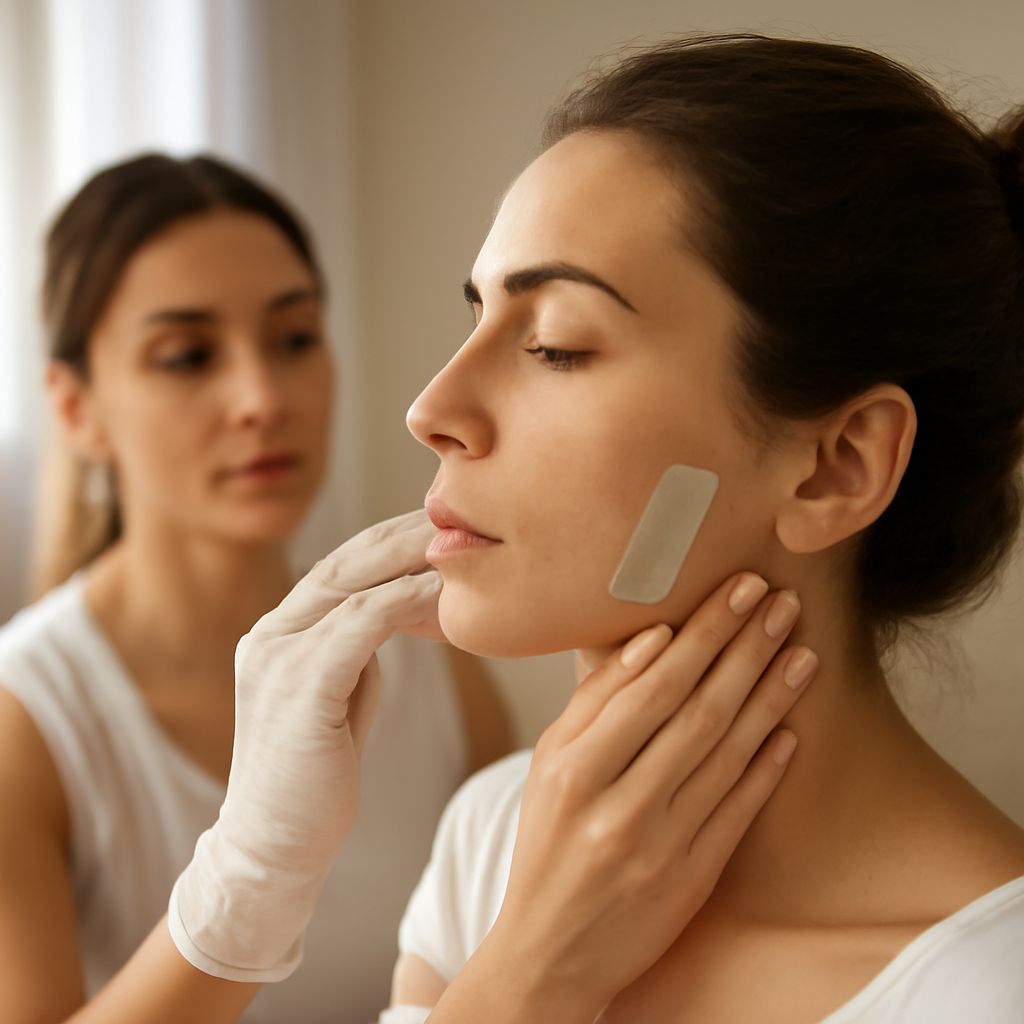
Dealing with sticky residue left on the skin after removing tape can be a frustrating experience. Whether it’s from medical dressings, household adhesives, or silicone-based products, the lingering tackiness can irritate the skin and be difficult to remove. Fortunately, there are effective methods to remove this stubborn residue without causing irritation or damage. This guide will explore various techniques to help you safely and effectively remove tape residue from skin, including using oils, household items, and commercial products.
Why Does Tape Leave Residue on Skin?
Tape leaves residue on the skin due to the adhesive components designed to ensure a snug bond. These adhesives are formulated for secure attachment, which can lead to leftover stickiness when removed. Factors such as tape type, duration on the skin, and skin sensitivity can influence how much residue is left behind. Understanding these factors can help you choose the best method to clean your skin.
Preparing Your Skin Before Tape Removal
Preparation is key to minimizing residue and protecting your skin. Before removing any tape, gently cleanse the area with mild soap and water. This will help reduce dirt and oils that may interfere with removal. Pat the area dry with a soft towel and be sure your skin is not too dry or irritated before proceeding with adhesive removal.
How to Get Tape Residue Off Skin Using Oils
Oils are an excellent natural option for dissolving adhesive residues. Common household oils such as coconut oil, olive oil, and baby oil can be gently massaged onto the affected area. These oils work by breaking down the adhesive, making it easier to wipe away. Simply apply a small amount of oil to a cotton ball or soft cloth and rub gently over the sticky residue until it lifts off the skin.
Simple Household Solutions for Removing Tape Residue
Several household items can be utilized to remove tape residue efficiently. Rubbing alcohol, for example, is a powerful solvent that can dissolve adhesive bonds. Apply a small amount to a cotton pad and gently dab the area. Additionally, baking soda mixed with a small amount of water can form a paste that helps exfoliate and lift stubborn residues. Remember to rinse the area thoroughly after using these solutions to avoid skin irritation.
How to Remove Medical Tape Residue from Skin with Commercial Products
For those who prefer ready-to-use solutions, various commercial adhesive removers are specifically designed for sensitive skin. Products such as adhesive remover wipes or sprays can be found in pharmacies or medical supply stores. These are particularly useful for removing medical tape residue, offering a gentle yet effective approach. Always follow the instructions provided by the manufacturer to ensure safe use.
Precautions to Take While Removing Sticky Residue
When removing sticky residue from skin, it is important to take certain precautions to avoid irritation or injury. Avoid using sharp objects to scrape off adhesive, as this can damage the skin. Additionally, test any new product or solution on a small area of skin first to ensure there is no adverse reaction. If you experience redness, itching, or burning, discontinue use immediately and consult a healthcare professional if necessary.
How to Remove Silicone from Skin Safely
Silicone-based products, such as certain medical devices or skin adhesives, can also leave behind a sticky residue. To remove silicone from the skin, consider using a commercial silicone remover or products containing isopropyl myristate. These are specifically formulated to break down silicone bonds without harming the skin. Gently apply the product and let it sit for a few minutes before wiping with a soft cloth. Be sure to wash the area with soap and water afterward to remove any residual product.
Pro Tips Recap: To effectively manage tape residue on your skin, consider using oils, household solutions, or commercial removers. Always prepare your skin beforehand and follow the precautions to protect skin health. When dealing with silicone residues, use products designed specifically for that purpose. Always prioritize safety and test products on small skin areas to ensure compatibility.




Leave a Reply