

In the quest for an even complexion, many individuals contemplate skin lightening surgery as a definitive solution. This procedure promises immediate results, but it isn’t without its complexities and potential risks. On the other hand, options like natural skin lightening creams and lemon essential oil offer alternatives that many find appealing for their gentler approach. Understanding the nuances of each method is crucial for anyone considering a change in their skin tone.
While surgery can deliver quick outcomes, natural methods often emphasize safety and gradual improvement. For instance, lemon essential oil not only acts as a skin lightener but also offers benefits for acne sufferers. This article explores both surgical and natural avenues, helping you make an informed decision about which path to choose for your skin lightening needs.
What is Skin Lightening Surgery?
Skin lightening surgery, also known as skin depigmentation surgery, involves medical procedures designed to reduce melanin in the skin. This type of surgery aims to achieve a lighter skin tone through methods such as laser treatments and chemical peels. By targeting melanin production, these procedures can result in a more uniform complexion.
Often considered by individuals with hyperpigmentation or those desiring a lighter skin tone, these surgeries are performed by dermatologists or cosmetic surgeons. Despite their effectiveness, such procedures require careful consideration due to their invasive nature and potential side effects.
Benefits and Risks of Skin Melanin Surgery
The primary benefit of skin melanin surgery is its ability to produce noticeable results quickly. Many patients experience a reduction in dark spots and an overall lighter skin tone. However, these benefits come with risks. Possible complications include scarring, infections, and an uneven skin tone if not performed correctly. Additionally, recovery times can vary, often requiring downtime and post-operative care.
It’s important for prospective patients to thoroughly discuss these risks with a qualified healthcare professional. Evaluating personal skin sensitivity and potential allergic reactions should be part of the decision-making process. This ensures not only satisfactory outcomes but also minimizes possible health concerns.
Exploring Natural Skin Lightening Creams
For those hesitant to undergo surgery, natural skin lightening creams offer an alternative. These creams often contain ingredients like kojic acid, licorice extract, and vitamin C, known for their skin-brightening properties. While they may not provide the instant results of surgery, they offer a more gradual and often safer lightening process.
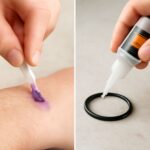
Natural creams work by inhibiting tyrosinase, an enzyme needed for melanin production. Regular use can lead to a more even complexion and reduced appearance of dark spots. However, users should still exercise caution, as some natural ingredients can cause irritation or allergic reactions. A patch test is advisable before full application.
How Lemon Essential Oil for Skin Lightening Works
Lemon essential oil has gained popularity for its potential as a natural skin lightening agent. The oil contains limonene, a compound that can reduce melanin production and promote brighter skin. When used consistently, lemon essential oil may help in diminishing dark spots and enhancing skin clarity.
To use lemon essential oil for lightening the skin, it should be diluted with a carrier oil such as coconut or almond oil to prevent irritation. Applying it to the face or affected areas can gradually lighten the skin over time. However, due to its photosensitive nature, it is crucial to avoid sun exposure after application to prevent adverse effects.
Using Lemon Essential Oil for Acne
Beyond skin lightening, lemon essential oil is also renowned for its acne-fighting properties. The oil has natural antibacterial properties that can help reduce acne-causing bacteria on the skin. Additionally, its astringent qualities can assist in controlling excess oil production and tightening pores.
For acne treatment, dilute the oil with a carrier oil, and apply it to the affected areas using a cotton ball. Regular use can help reduce the severity of acne and prevent future outbreaks. Nonetheless, individuals with sensitive skin should proceed with caution to avoid irritation or dryness.
Choosing Between Surgery and Natural Methods
Deciding between skin lightening surgery and natural methods like creams or essential oils depends on individual goals and skin sensitivity. Surgery offers rapid results but comes with potential risks and recovery time. In contrast, natural methods prioritize safety and gradual improvement, making them suitable for those with sensitive skin or those preferring less invasive options.
Consultation with a dermatologist can provide valuable insights tailored to your skin type and desired outcomes. Personal preferences, health considerations, and lifestyle should all inform your decision, ensuring the choice aligns with your long-term skin health goals.
Key Takeaways: Skin lightening can be achieved through surgical procedures or natural methods like creams and essential oils. While surgery offers quick results, it carries risks, making natural options appealing for those seeking gradual and safer improvements. Always consult with a healthcare professional to ensure that your chosen method is safe and effective for your skin type.




Leave a Reply