
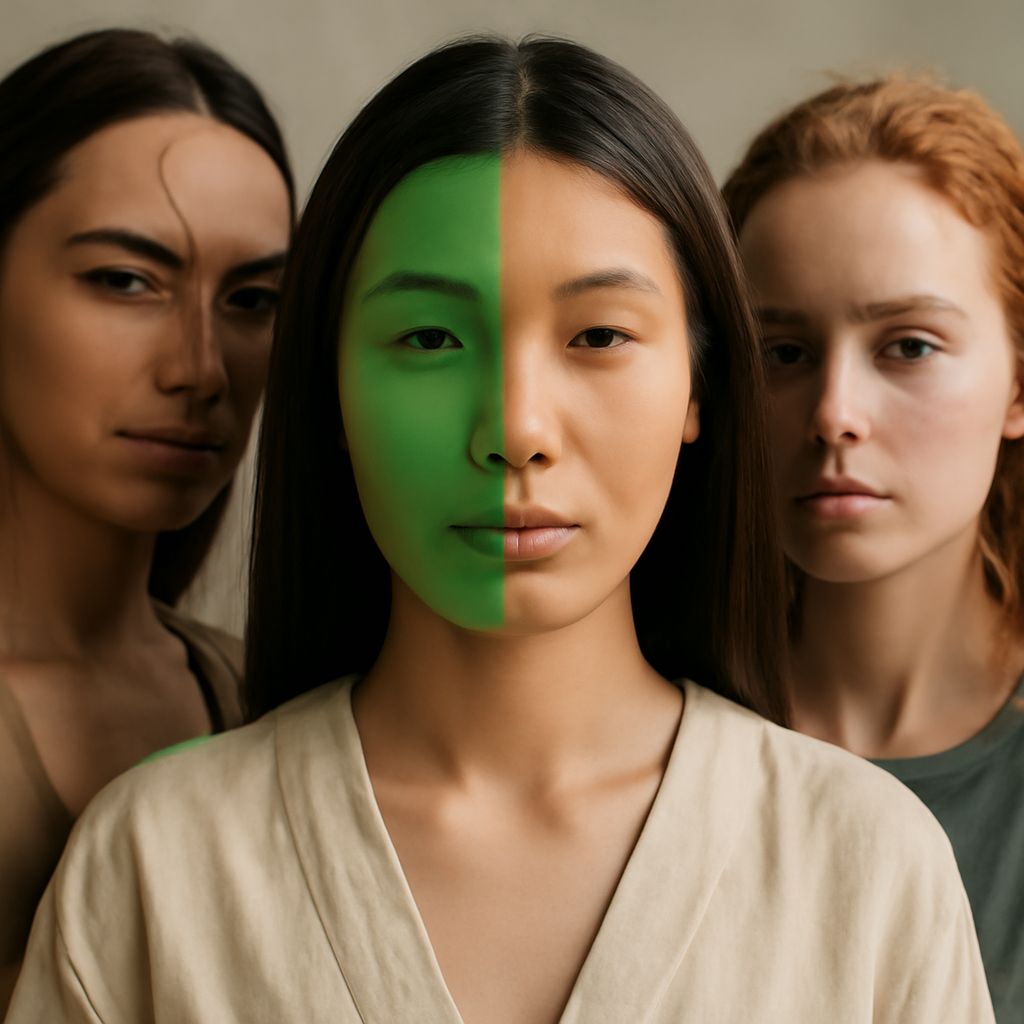
Achieving a desired skin tone is an aspiration shared by many individuals worldwide. The allure of a bronze skin color, in particular, is often associated with health, vitality, and an outdoor lifestyle. However, questions arise: can you change your skin color, and if so, how can you change skin color safely and effectively? Understanding the possibilities and limitations is key to making informed decisions that prioritize your skin’s health.
In this article, we explore the characteristics of bronze skin color, examine natural and medical methods for changing skin tone, consider lifestyle influences, and delve into the cultural and psychological implications of altering one’s skin color. Whether you’re curious about achieving a bronze glow or seeking to understand the broader context of skin color change, this guide offers comprehensive insights.
What is Bronze Skin Color?
Bronze skin color refers to a warm, golden tone often associated with sun exposure and tanning. It is characterized by a slightly darker hue than the natural skin tone, resulting from increased melanin production in response to ultraviolet (UV) rays. This skin color is often sought after for its aesthetic appeal, evoking images of sun-kissed skin and a healthy, vibrant appearance.
The perception of bronze skin as attractive or desirable varies across cultures and individual preferences. It’s important to recognize that while some view it as a symbol of beauty and vitality, others may have different standards for what constitutes an ideal skin tone. Nonetheless, the pursuit of a bronze complexion remains popular, prompting individuals to explore various methods for achieving it.
Can You Change Your Skin Color Naturally?
Natural methods of changing skin color typically involve lifestyle choices and skincare practices that promote a radiant, healthy complexion. Sun exposure is the most common natural way to achieve a bronze skin tone, as it stimulates melanin production. However, it is crucial to practice safe sun exposure to prevent skin damage, such as sunburn and long-term effects like premature aging or skin cancer.
Using self-tanning products is another popular method for those who wish to avoid the risks associated with UV exposure. These products offer a temporary bronzed appearance without the need for sunbathing. Dietary adjustments, such as consuming foods rich in carotenoids (found in carrots and sweet potatoes), can also enhance skin tone by imparting a subtle, natural glow.
Maintaining healthy skin through proper hydration, exfoliation, and the use of moisturizing products can further enhance the overall appearance of the skin, contributing to a more even and desirable tone.
Medical Procedures to Change Skin Color
Skin Lightening Treatments
Medical interventions to alter skin color include various skin lightening treatments. These treatments aim to reduce melanin levels in the skin, making it appear lighter. Common techniques involve topical creams containing ingredients such as hydroquinone, kojic acid, or retinoids. While effective, these treatments must be used under medical supervision to avoid side effects like irritation or uneven skin tone.
Tanning Options
For those seeking a darker skin tone, tanning options are available. Professional spray tans can provide an even, natural-looking bronze color without the risks of UV exposure. Additionally, certain clinics offer UV tanning beds, although these carry a heightened risk of skin damage and should be approached with caution. Consulting with a dermatologist before undergoing any medical tanning procedure is advisable.
How to Change Skin Color with Lifestyle Adjustments
Lifestyle adjustments play a significant role in altering or maintaining skin color. Regular exercise promotes healthy circulation, which can enhance skin tone. A balanced diet rich in vitamins and antioxidants supports skin health, potentially affecting its hue and vitality.
Skincare routines tailored to individual needs, including the use of sunscreens and products designed to boost skin luminosity, can also contribute to achieving a desired skin tone. Ensuring adequate rest and managing stress are additional factors that promote overall skin health and appearance.
Risks and Considerations of Changing Your Skin Color
While the desire to change skin color can be motivated by various personal or cultural reasons, it’s important to consider the potential risks. Excessive UV exposure, whether through natural sunbathing or tanning beds, increases the risk of skin damage and cancer. Similarly, the overuse of skin lightening products can lead to adverse effects, including thinning skin and uneven pigmentation.
Before pursuing any skin color alteration, consulting with a dermatologist is essential to evaluate the safety and appropriateness of the chosen method. It is important to prioritize the health and integrity of your skin above aesthetic desires.
Cultural and Psychological Aspects of Skin Color Change
The desire to change skin color is not just a personal choice; it is deeply intertwined with cultural and psychological dimensions. In some cultures, lighter skin is traditionally associated with higher status, while darker skin may be celebrated in others for its beauty and vitality. These cultural perceptions can influence individual desires and decisions regarding skin color.
Psychologically, the desire to alter one’s skin tone can stem from self-esteem issues or societal pressures regarding beauty standards. It is crucial to address these underlying factors and ensure that any decision to change skin color is made for personal satisfaction rather than external validation.
Ultimately, embracing one’s natural skin color and understanding the cultural contexts behind beauty standards can lead to a more positive and fulfilling sense of self.
Bottom line: Changing your skin color involves a range of options, from natural methods to medical interventions. Prioritizing your skin’s health and consulting with professionals are key steps in ensuring safe and effective results. Embrace your unique beauty while making informed choices about skin color changes.





Leave a Reply