
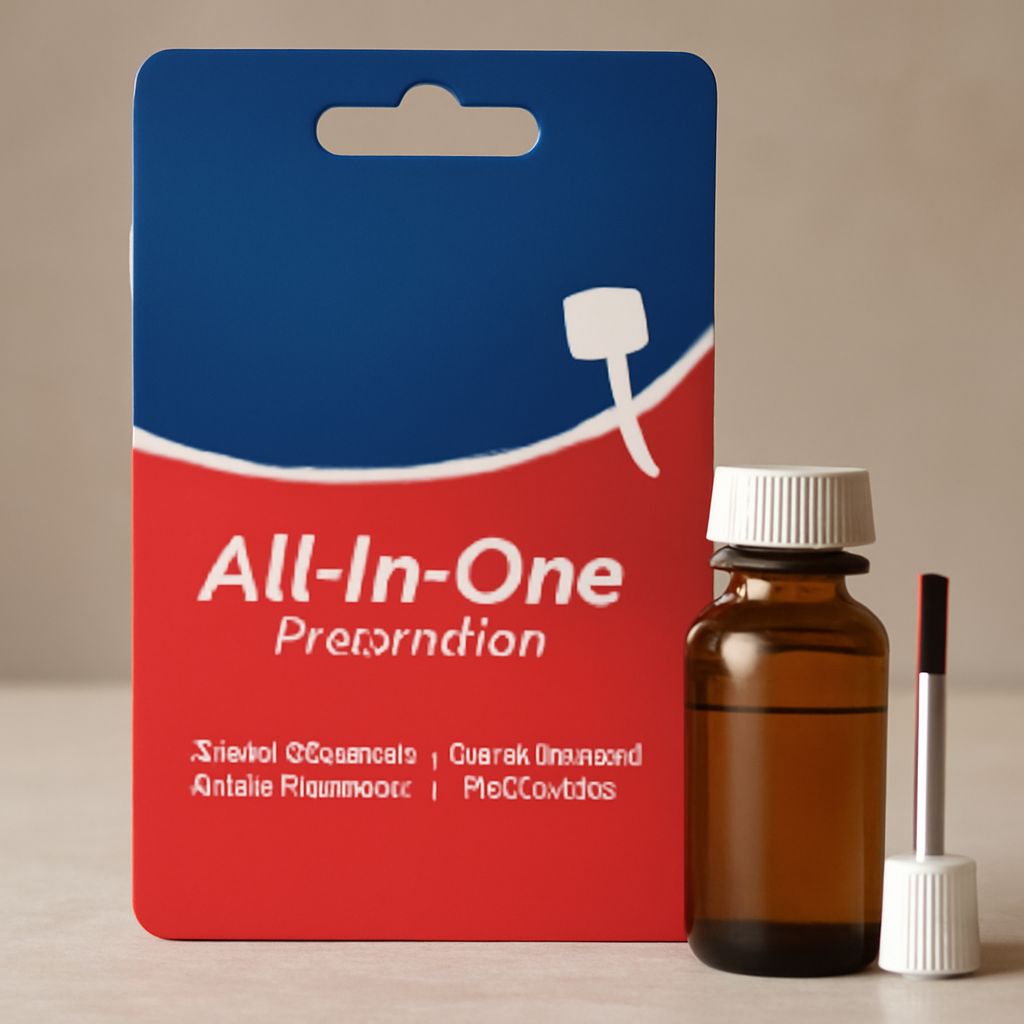
In the realm of wound care, the search for effective yet convenient solutions is ongoing. Traditional skin bandages have long been the go-to for covering minor cuts and scrapes, but advancements in technology have introduced a groundbreaking alternative: liquid skin bandages. Offering seamless application and superior protection, liquid skin is revolutionizing the way we treat minor injuries, presenting a compelling solution to the limitations of conventional skin bandages.
Liquid skin bandages provide a unique approach to wound care, offering a flexible and durable protective layer that adheres to the skin. Unlike traditional skin bandages, which may be bulky or inconvenient, liquid skin offers a solution that is both practical and efficient. This innovative product is set to redefine the standards of wound care, ensuring that minor injuries can be managed with ease and reliability.
What Is Liquid Skin and How Does It Work?
Liquid skin is a specialized formulation designed to act as a protective barrier on the skin. Upon application, it creates a thin, flexible film that adheres securely to the skin’s surface. This film provides protection against dirt, bacteria, and moisture, significantly reducing the risk of infection and promoting faster healing. The liquid skin bandage works by forming a breathable yet waterproof layer that conforms to the contours of the skin, maintaining its integrity even in challenging environments.
Benefits of Using Liquid Skin Bandages
Enhanced Protection
One of the primary benefits of liquid skin bandages is the enhanced protection they offer. The film created by the liquid skin is breathable, allowing for air exchange while blocking harmful elements such as bacteria and dirt. This prevents infections and aids in quicker recovery from minor wounds.
Ease of Application
Applying liquid skin is notably easier compared to traditional skin bandages. The liquid formulation can be precisely applied to the affected area, ensuring full coverage without the bulkiness of conventional bandages. This ease of application makes it ideal for treating injuries in hard-to-reach places or on irregular surfaces.
Versatility
Liquid skin bandages are highly versatile, suitable for a wide range of minor injuries ranging from cuts and scrapes to blisters and abrasions. Their adaptability and ease of use make them a valuable addition to any first aid kit, providing an effective solution to various minor skin injuries.
How to Apply Liquid Skin Bandages Safely
Applying liquid skin bandages is straightforward but requires careful attention to ensure optimal results. Start by cleaning the wound thoroughly to eliminate any debris or bacteria. Once the area is clean, gently apply the liquid skin, ensuring complete coverage of the wound and surrounding skin. Allow the liquid to dry fully, forming the protective film. It’s recommended to avoid stretching the skin excessively during application, as this could compromise the bandage’s effectiveness. Be cautious when using around sensitive skin areas, and discontinue use if irritation occurs.
Comparing Liquid Skin Bandages to Traditional Skin Bandages
Liquid skin bandages offer several advantages over traditional skin bandages. While conventional bandages can provide adequate protection, they often lack flexibility and may detach easily, especially on areas with movement. In contrast, liquid skin adheres securely and flexibly, maintaining its protective function even under movement and stress. Moreover, liquid skin is less conspicuous, providing a more aesthetically pleasing option for those concerned about visibility.
FAQs About Liquid Skin and Skin Bandages
Can Liquid Skin Be Used on All Skin Types?
Liquid skin is generally safe for use on most skin types. However, individuals with sensitive skin should perform a patch test before full application to avoid potential irritation. If any adverse reaction occurs, discontinue use immediately and consult a healthcare professional.
How Long Does Liquid Skin Last?
The durability of liquid skin bandages typically lasts between three to five days, depending on the location and extent of movement in the area. Factors such as moisture and friction can impact its longevity. Reapplication may be necessary if the film begins to peel or lose adherence.
Future Developments in Liquid Skin Technology
As the technology behind liquid skin bandages continues to evolve, future developments promise even greater advancements. Research is underway to enhance the adhesive properties and extend the duration of protection. Innovations may soon lead to formulations that include healing properties, accelerating recovery while maintaining protection. These advancements could further cement liquid skin as an indispensable tool in modern wound care.
Pro Tips Recap: Liquid skin bandages are a convenient and effective solution for minor injuries, offering enhanced protection and ease of application. For optimal use, ensure the wound is clean and dry before application, and avoid stretching the skin excessively. Always be mindful of skin sensitivity, performing a patch test if necessary. Stay informed about future enhancements to maximize the benefits of liquid skin technology.




Leave a Reply