
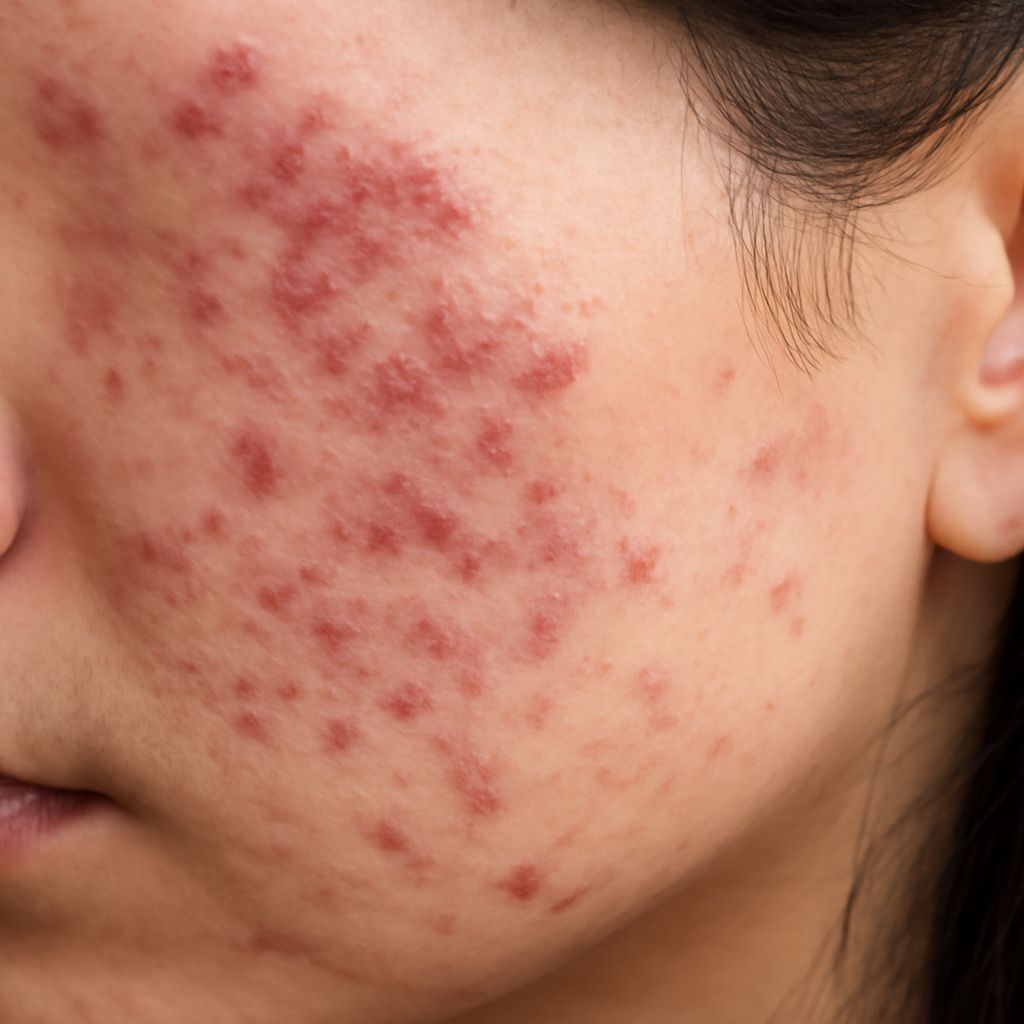
Acne is a common skin condition that can take various forms, including nodular acne and cystic acne, each of which can be distressing for sufferers. One of the most persistent concerns for those dealing with acne is post inflammatory hyperpigmentation acne, a condition that can leave lasting marks long after the acne itself has healed. Additionally, living with cystic acne can be particularly uncomfortable, as it often results in itchy skin. Understanding the differences between these types of acne, as well as their causes and effects, is crucial for effective management and prevention.
This article delves into the specifics of nodular and cystic acne, exploring their distinctions and the reasons behind common symptoms like itchiness and pigmentation changes. We will also provide practical advice on managing these conditions, preventing lasting skin damage, and knowing when to seek professional help.
What Are Nodular Acne and Cystic Acne?
Nodular acne and cystic acne are two severe forms of acne that occur deep within the skin. Nodular acne is characterized by large, hard lumps beneath the surface of the skin, which can be painful and take weeks or even months to heal. These nodules form when clogged pores become infected and inflamed, resulting in the development of the hard nodules.
In contrast, cystic acne is softer and more fluid-filled than nodular acne. It occurs when oil and dead skin cells build up deep in hair follicles, leading to cysts that can rupture and cause widespread inflammation. Both forms of acne can result in significant discomfort and scarring if left untreated.
How Do Nodular and Cystic Acne Differ?
While both nodular and cystic acne are severe and can be painful, they differ in their formation and appearance. Nodular acne tends to be more solid and deep-rooted, whereas cystic acne is characterized by large, pus-filled cysts. Nodules remain below the skin’s surface, while cysts may sometimes break through the surface, leading to potential infections.
The treatment for these conditions also varies. Nodular acne may respond better to oral medications and topical treatments that reduce inflammation and bacteria. On the other hand, cystic acne might require more aggressive treatments such as corticosteroid injections or isotretinoin to control the severe inflammation.
What Causes Post Inflammatory Hyperpigmentation in Acne?
Post inflammatory hyperpigmentation (PIH) results when the skin overproduces melanin in response to inflammation. This condition is common following severe acne outbreaks, including nodular and cystic acne. The skin’s healing process involves increased melanin production, which can leave dark spots even after the acne clears.
PIH is more common in individuals with darker skin tones, where melanin plays a more prominent role in skin coloration. Managing PIH involves preventing acne in the first place and avoiding picking or squeezing acne lesions, which can exacerbate inflammation and pigmentation.
Why Does Cystic Acne Feel Itchy?
Cystic acne often feels itchy due to the body’s inflammatory response. Inflammation can trigger the production of chemicals that cause itching and discomfort. Additionally, the pressure from cysts stretching the skin can lead to itchiness.
Itchy acne can be particularly challenging, as scratching can lead to further irritation and potential scarring. It’s important to resist the urge to scratch and instead use treatments that address the underlying causes of inflammation and itching.
Managing Itchy Acne: Tips and Treatments
Effective management of itchy acne involves a combination of lifestyle changes, skincare routines, and possibly medical treatments. Here are some strategies:
- Gentle Cleansing: Use a mild cleanser to remove excess oil and dirt without irritating the skin further.
- Topical Treatments: Benzoyl peroxide or salicylic acid can help reduce bacteria and inflammation.
- Moisturization: Keep the skin hydrated using non-comedogenic moisturizers to prevent dryness and irritation.
- Avoiding Irritants: Steer clear of harsh skincare products and minimize sun exposure to reduce irritation.
- Medical Interventions: In severe cases, consult a dermatologist for prescription treatments like oral antibiotics or isotretinoin.
Preventing PIH from Acne: What Can You Do?
To prevent post inflammatory hyperpigmentation from acne, focus on acne prevention and proper skincare practices:
- Sun Protection: Use sunscreen daily to protect healing skin from UV rays that can darken PIH.
- Prompt Treatment: Address acne outbreaks early with appropriate treatments to minimize inflammation.
- No Picking: Resist the urge to pick at acne lesions to prevent further pigmentation and scarring.
- Skin-Friendly Products: Opt for products formulated for sensitive skin to reduce irritation-related pigmentation.
When to Seek Professional Help for Acne Issues?
While self-care and over-the-counter treatments can manage mild acne, professional help is advisable for severe cases like nodular or cystic acne. Consult a dermatologist if you experience persistent acne that doesn’t respond to regular treatments, or if it is causing significant psychological distress or physical discomfort.
A dermatologist can provide targeted treatments that address the root causes of severe acne, including prescription medications or advanced therapies like laser treatment or chemical peels for PIH.
Finally, remember that individual responses to acne treatments can vary, so it’s important to work closely with a healthcare provider to find the most effective solution for your skin.
Next Steps
Dealing with nodular and cystic acne requires patience and a proactive approach. Start by adopting a consistent skincare routine that addresses your specific needs. If over-the-counter options do not help, do not hesitate to seek professional advice. With the right strategies and treatments, it is possible to manage acne effectively and minimize its impact on your skin health and self-esteem.
Safety Note: Always follow product instructions and consult a dermatologist when introducing new treatments to your skincare routine, as some products may cause irritation or allergic reactions.


Leave a Reply