
Acne is often perceived as a teenage dilemma, yet it can affect individuals at various stages of life, including toddlers. Understanding the root causes of toddler acne and implementing gentle yet effective solutions can help parents address these skin concerns with confidence. This article will explore the potential triggers of toddler acne, the safe use of acne wipes, beard acne in adults, the effects of sunscreen on acne, protein-related acne, and offer general tips for managing acne across all ages.
What Causes Toddler Acne?
Toddler acne, while less common than acne in teenagers, can occur due to a variety of factors. Hormonal changes during early development can lead to increased oil production, causing blocked pores and acne outbreaks. Additionally, environmental irritants such as pollution, sweat, and dirt can exacerbate skin issues. It’s crucial for parents to recognize these causes to effectively address their child’s skin concerns. Identifying potential allergens or irritants in skincare products or diet is a critical step in managing toddler acne.
How to Use Acne Wipes Safely for Toddlers
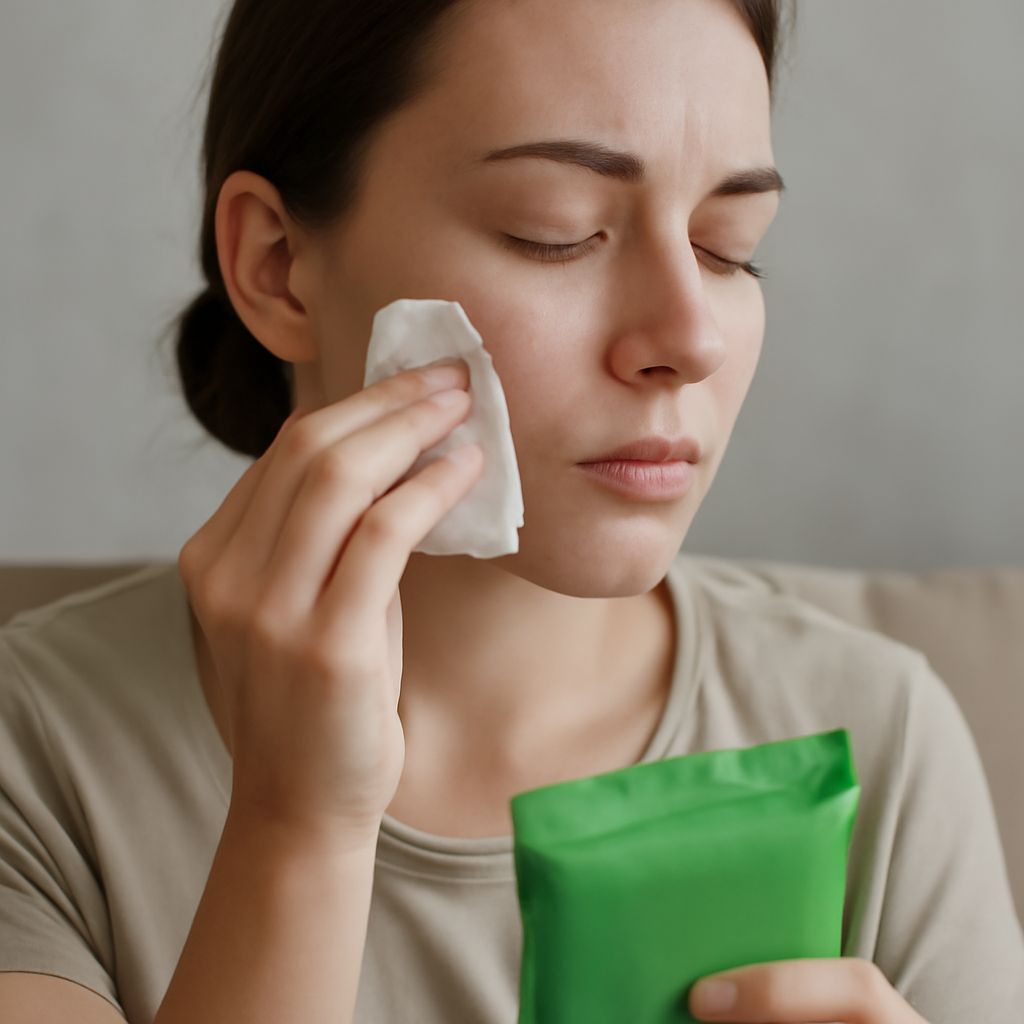
Acne wipes can be a practical solution for managing toddler acne, providing a gentle and effective way to cleanse the skin. When choosing acne wipes, opt for products specifically formulated for sensitive skin to avoid irritation. It’s essential to follow instructions carefully, ensuring the wipes are used only as recommended. Overuse can lead to dryness or increased sensitivity, so moderation is key. Parents should always perform a patch test on a small area of skin to ensure compatibility before regular use.
Is Beard Acne Common in Adults?
Beard acne is a frequent issue for many adults, particularly those with facial hair. The occurrence of beard acne can stem from the accumulation of bacteria and oil trapped beneath the hair follicles. Regular cleansing and proper grooming can mitigate these issues, reducing the likelihood of acne flare-ups. Utilizing acne-specific products tailored for facial hair can help maintain clear skin. Ensuring razors and grooming tools are clean and well-maintained is also vital to prevent irritation and infection.
Does Sunscreen Cause Acne?
Sunscreen is a critical component of any skincare routine, but concerns about its potential to cause acne are not unfounded. Some sunscreens contain ingredients that can clog pores, leading to acne outbreaks. To avoid sunscreen-related acne, select non-comedogenic formulas designed to minimize pore blockage. Pay attention to product labels and opt for sunscreens that offer broad-spectrum protection without heavy, greasy textures. Regular cleansing to remove sunscreen residues can also help maintain clear skin.
Can Protein Intake Lead to Acne?
There is a common misconception that protein consumption may lead to acne. While protein itself is not a direct cause, certain protein sources, particularly whey protein supplements, have been associated with increased acne risk. These supplements can influence insulin levels, potentially exacerbating acne conditions. Individuals experiencing acne may benefit from monitoring their protein sources, opting for plant-based proteins or lean meats that are less likely to impact skin health. Consulting with a nutritionist can provide personalized guidance.
General Tips for Managing Acne at Any Age
Managing acne requires a comprehensive approach that includes both preventive measures and active treatment strategies. Regular cleansing to remove dirt and oil, using non-comedogenic skincare products, and maintaining a healthy diet are essential for skin health. Hydration plays a vital role in keeping the skin balanced, so drinking ample water daily is beneficial. For chronic or severe acne, consult a dermatologist to explore professional treatment options. Building a consistent skincare routine tailored to individual needs can significantly reduce acne symptoms.
Next Steps: Implementing the right practices can make a substantial difference in managing acne, regardless of age. Regularly review and adjust skincare routines as needed, paying attention to skin changes and new product reactions. Keep track of dietary influences and adapt as necessary to support clear and healthy skin. Above all, be patient and persistent, as acne management is an ongoing process.
Safety note: Ensure all skincare products used for toddlers are approved for sensitive skin and avoid any formulations with harsh chemicals. Always consult with a healthcare professional if uncertain about treatments or experiencing severe skin reactions.




Leave a Reply