
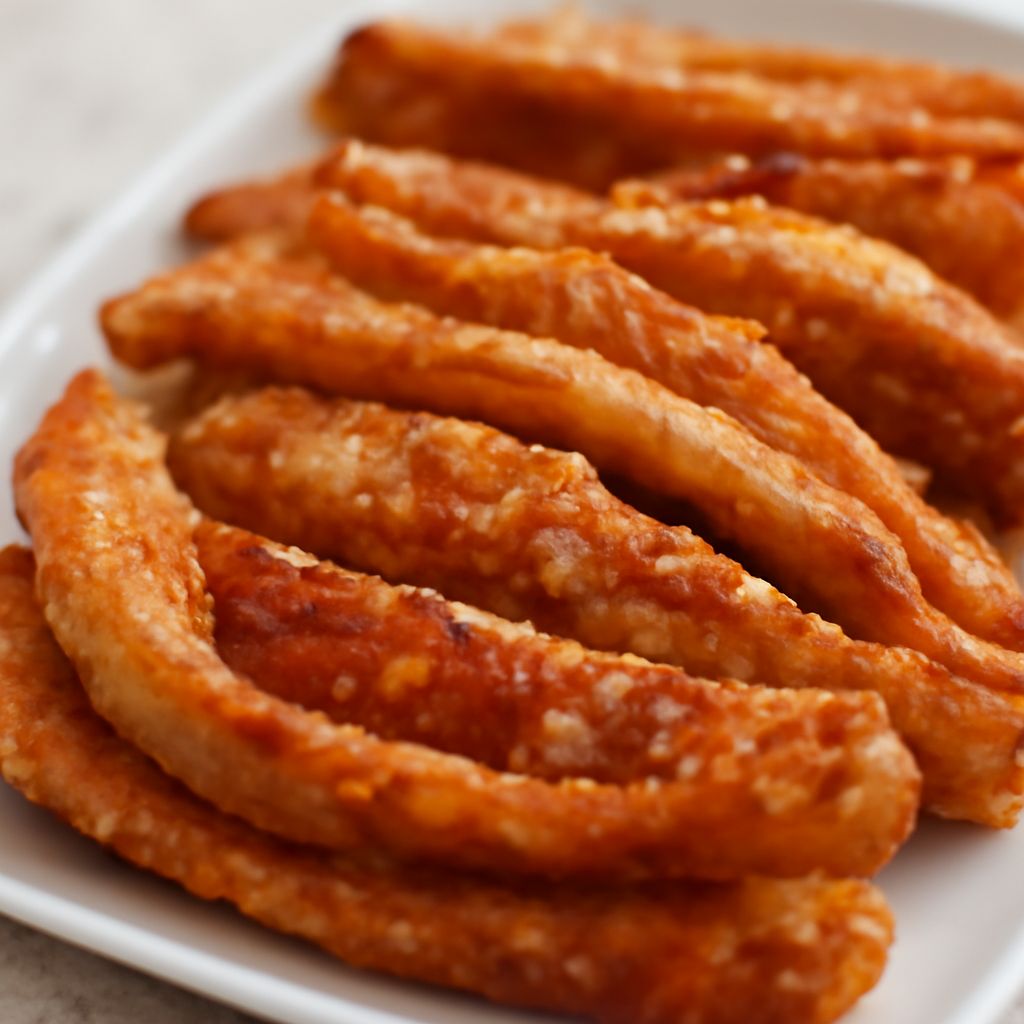
Crispy pork skin is a culinary delight cherished by many for its irresistible texture and rich flavor. However, achieving the perfect crunch requires an understanding of the cooking nuances involved, including factors like moisture and heat. In kitchens, mishaps can occur, such as getting polyurethane on your skin. Knowing how to safely remove polyurethane from your skin is an essential skill to have. This guide will walk you through both perfect cooking techniques and effective solutions for kitchen mishaps.
What Makes Pork Skin Crispy?
The hallmark of delicious crispy pork skin is its texture, which should be light, crunchy, and airy. Achieving this involves proper preparation and cooking techniques. The skin’s crispiness primarily depends on the balance between moisture and heat application. As moisture evaporates during cooking, the skin contracts, creating that sought-after crunch. Proper scoring of the skin also plays a crucial role in ensuring even heat distribution during cooking.
How to Cook Pork Skin Perfectly
Cooking pork skin to perfection requires careful attention to detail. Start by selecting fresh pork skin; inspect it for imperfections and trim any excess fat. To prepare, score the skin with a sharp knife, being cautious not to cut too deeply into the meat. This step allows for efficient rendering of fat and promotes even crisping. Season the skin with your favorite spices before placing it in the oven.
Preheat the oven to a high temperature, typically around 400°F (200°C), to ensure a rapid release of moisture. Place the pork skin on a wire rack to allow for maximum air circulation. This ensures the pork skin cooks evenly and achieves the desired crispiness.
Secrets to Achieving Crispy Pork Skin
Achieving crispy pork skin is an art that can be perfected with a few secrets. First, drying the skin thoroughly before cooking is crucial. Pat it dry with paper towels or allow it to air dry in the refrigerator uncovered overnight. The drier the skin, the better it will crisp during cooking.
Another secret is to apply a layer of oil on the skin before seasoning. This helps in carrying the heat more effectively and aids in the rendering process. Additionally, flipping the skin during cooking ensures even exposure to heat, helping every part become crispy.
Troubleshooting Pork Skin Cooking Issues
Cooking pork skin can sometimes lead to issues, such as uneven crisping or excessive chewiness. If the skin is not crispy enough, consider increasing the oven temperature slightly or extending the cooking time. If it’s too chewy, assess whether the skin was properly dried before cooking or if the fat wasn’t rendered effectively.
In some cases, the skin might bubble excessively. This can often be remedied by pricking the bubbles with a fork during cooking. Always handle sharp tools carefully to avoid accidents.
How to Get Polyurethane Off Skin
Mishaps with polyurethane can happen in the kitchen, especially if you’re handling materials or doing DIY projects. If you get polyurethane on your skin, it’s essential to act quickly and effectively. Start by gently scraping off any excess with a flat, non-sharp object to avoid irritation.
Next, wash the affected area with soap and warm water for several minutes. Polyurethane is resistant, so you might need to repeat the washing process. If the substance remains, try using a gentle skin exfoliant or a mixture of baking soda and water to rub off the residue.
Tips on Removing Polyurethane from Skin
Removing polyurethane from skin requires patience and care. Always prioritize skin safety by using gentle methods to avoid irritation. If soap and water alone don’t work, a mixture of water and vinegar can help break down polyurethane residues. Apply it gently using a cotton ball, then rinse thoroughly.
For stubborn polyurethane, specialized cleaners designed for skin use can be effective. Ensure any product used is safe for skin contact and follow the manufacturer’s instructions to avoid adverse reactions. If irritation persists, consult a medical professional for further assistance.
Bottom line: Cooking crispy pork skin is a rewarding endeavor when done right, offering a delightful texture and flavor. Practice proper techniques and troubleshoot any issues for the best results. Simultaneously, ensure kitchen mishaps like polyurethane exposure are handled safely and effectively for your skin’s health.




Leave a Reply