
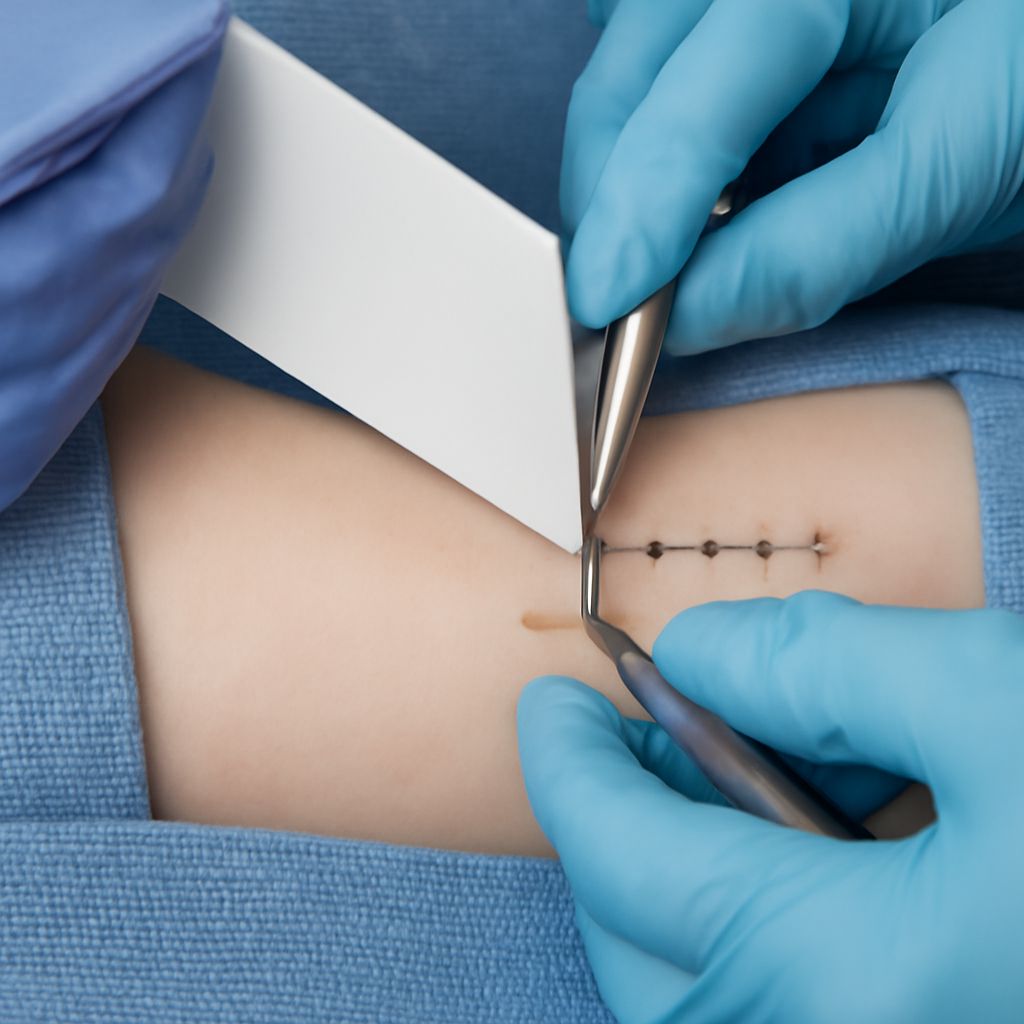
Foot skin conditions are a prevalent issue that affects many individuals, causing discomfort and sometimes debilitating pain. From common ailments like athlete’s foot to more severe issues such as diabetic ulcers, these conditions demand effective solutions. One innovative tool in treating these problems is the skin stapler, which offers a precise and efficient method for closing wounds and incisions on the feet. This article explores how skin staplers can be an effective solution for managing various foot skin diseases while providing insight into keeping feet healthy.
What is a Skin Stapler and How Does it Work?
A skin stapler is a medical device used to close wounds in a manner similar to sutures but with notable advantages. These devices are designed to insert skin staples, which are small metal clips, to hold the edges of a wound together. Unlike traditional stitches, skin staplers are quicker to apply, reducing operation time and minimizing the risk of infection.
The staples are typically made of stainless steel or titanium, materials that ensure durability and minimize allergic reactions. Skin staplers are used in various medical fields, including podiatry, where they play a vital role in the management of foot skin conditions.
The Role of Skin Staples in Treating Foot Skin Conditions
Skin staples are particularly beneficial in treating wounds on the feet due to their ability to provide consistent tension across wound edges. This tension promotes better healing and reduces scarring, making skin staplers a preferred choice in podiatric procedures. They are effectively used in surgeries to close incisions after removing bunions or correcting hammertoes.
Furthermore, skin staplers are employed in managing traumatic injuries to the foot, facilitating the swift closure of lacerations and tears. The efficiency and reliability of skin staplers make them an essential tool in the foot care arsenal.
Common Foot Skin Problems: An Overview
Foot skin problems can range from minor irritations to severe infections. Athlete’s foot, a fungal infection, is one of the most common issues, characterized by itching, redness, and flaking. Corns and calluses, caused by repeated pressure and friction, lead to thick, hard layers of skin that can become painful.
Blisters, often resulting from ill-fitting shoes, can also cause significant discomfort. Plantar warts, caused by the human papillomavirus, appear as rough, grainy growths that are often painful. Managing these conditions requires proper hygiene, appropriate footwear, and sometimes medical intervention.
Understanding Foot Skin Diseases: Causes and Symptoms
Foot skin diseases are often a result of various factors, including poor hygiene, circulatory problems, and underlying health conditions like diabetes. Diabetic foot ulcers are a severe condition that can lead to complications if not treated promptly. Symptoms of such diseases include persistent redness, swelling, pain, and in some cases, pus or discharge from blisters or wounds.
Fungal infections typically cause itching and peeling, while bacterial infections may result in warmth, redness, and tenderness. Early detection and treatment of these symptoms can prevent further complications and promote faster healing.
How to Use Skin Staplers Safely
Using a skin stapler safely requires careful technique and consideration of the wound type. It is crucial to clean the wound thoroughly before applying staples. Proper alignment of the skin edges is necessary to ensure even healing. Skin staplers should be used with caution, especially on sensitive areas of the foot.
While skin staplers are generally safe, it is important to follow specific guidelines to avoid complications such as infection or improper wound closure. Always consult with a healthcare professional before using a skin stapler, especially for those with sensitive skin or underlying health issues.
Preventing Foot Skin Conditions and Maintaining Healthy Feet
Preventing foot skin conditions begins with proper foot care. Regular washing and drying of the feet, especially in between toes, helps prevent fungal infections. Wearing moisture-wicking socks and breathable shoes reduces sweat accumulation and bacterial growth.
It’s essential to keep toenails trimmed and to avoid walking barefoot in communal areas. Regular foot inspections can help detect early signs of skin issues, allowing for prompt treatment. A healthy diet and proper hydration also contribute to maintaining the health of your feet.
Pro tips recap: For optimal foot health, integrate regular cleaning and inspection into your routine, use skin staplers with professional guidance, and ensure protective measures like proper footwear. Remember to always seek medical advice for persistent or severe foot conditions.



Leave a Reply