
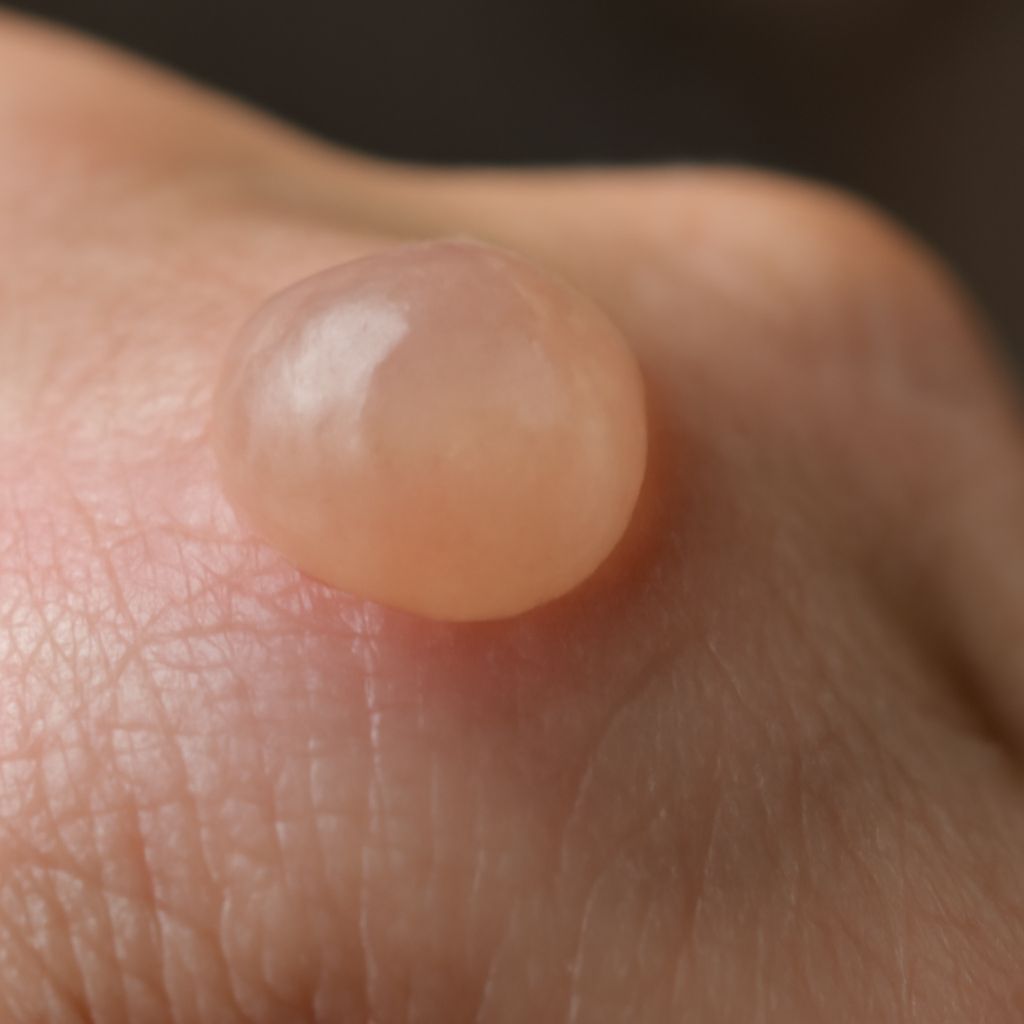
Water blisters on skin can be both painful and unsightly, causing distress to those affected. These small, fluid-filled bubbles often arise unexpectedly, leading many to search for effective solutions. Whether they’re caused by friction, burns, or allergies, understanding the root causes and available treatments is crucial for effective management. In this article, we will explore the nature of these blisters, delve into potential treatments, and assess the role of liquid nitrogen in skin therapy.
For individuals dealing with water blisters, discovering the underlying causes is a critical step toward prevention. Additionally, knowing how to treat these blisters safely at home or with professional help can significantly reduce discomfort and prevent complications. With the use of liquid nitrogen, some treatments might even involve freezing the affected areas, raising questions about its safety and efficacy. Let’s explore these aspects further.
What Are Water Blisters on Skin?
Water blisters, also known as vesicles, are raised portions of the skin filled with a clear liquid. They often form as a defense mechanism after the skin has been damaged, such as from friction or burns. The fluid inside these blisters serves as a cushion, protecting the underlying tissue while promoting healing.
The size and number of blisters can vary significantly, and their appearance may be accompanied by redness, swelling, or even pain in the surrounding area. Although blisters are generally harmless, they can become a gateway to infection if not properly cared for.
Causes of Water Bubbles on Skin
Water bubbles on the skin can result from a variety of factors. Common causes include friction from shoes or tools, burns from heat or sun exposure, and allergic reactions. Infections such as chickenpox or herpes simplex virus can also lead to blistering.
Furthermore, certain skin conditions like eczema or dermatitis may contribute to the development of blisters. Understanding these causes is vital for determining the appropriate treatment or preventive measures.
How to Treat Water Blisters
Treating water blisters involves several approaches depending on their severity and underlying cause. For minor blisters, protecting the area with a bandage and allowing it to heal naturally is often sufficient. It’s important to keep the blister clean and dry to prevent infection.
In cases where the blister is large or painful, draining the fluid with a sterilized needle might be necessary. Care must be taken to avoid breaking the skin, as this can introduce bacteria. Antibacterial ointments can be applied to minimize the risk of infection.
For persistent or recurrent blisters, consulting a healthcare professional is advisable. They may prescribe topical treatments or investigate underlying health issues that could be contributing to the problem.
Using Liquid Nitrogen on Skin
Liquid nitrogen is commonly used in dermatology for treating various skin conditions, including warts and certain types of water blisters. The process involves applying the extremely cold liquid to the affected area, freezing and destroying the unwanted tissue.
While effective, this treatment should only be performed by trained professionals due to the risks associated with freezing skin tissue. The cold can cause temporary discomfort and, in some cases, lead to scarring if not applied correctly.
Potential Risks: Frozen Skin
One of the main concerns when using liquid nitrogen is the potential risk of frozen skin or frostbite. Excessive exposure to extreme cold can damage healthy skin and tissues, leading to complications.
To mitigate these risks, it is essential to ensure that treatments are performed under controlled conditions by experienced practitioners. Proper aftercare is also critical to ensure healing and minimize any adverse effects.
Preventing Water Blisters in the Future
Preventing water blisters involves identifying and mitigating the factors that contribute to their formation. Wearing properly fitting shoes and using protective gear can help reduce friction-related blisters. Applying sunscreen and avoiding excessive sun exposure can prevent blisters caused by burns.
For those prone to allergic reactions, identifying and avoiding triggers is crucial. Maintaining good skin hygiene and moisturizing regularly can also help keep the skin’s barrier function intact, reducing the likelihood of blisters forming.
In conclusion, while water blisters on skin can be a common and uncomfortable issue, understanding their causes and treatments can help manage and prevent them effectively. Consulting healthcare providers for tailored advice and treatment options can further ensure optimal skin health.
Safety Recap: If using liquid nitrogen for treatment, always consult a qualified dermatologist to prevent potential risks like frozen skin. Proper aftercare is essential to ensure safe and effective healing.



Leave a Reply