
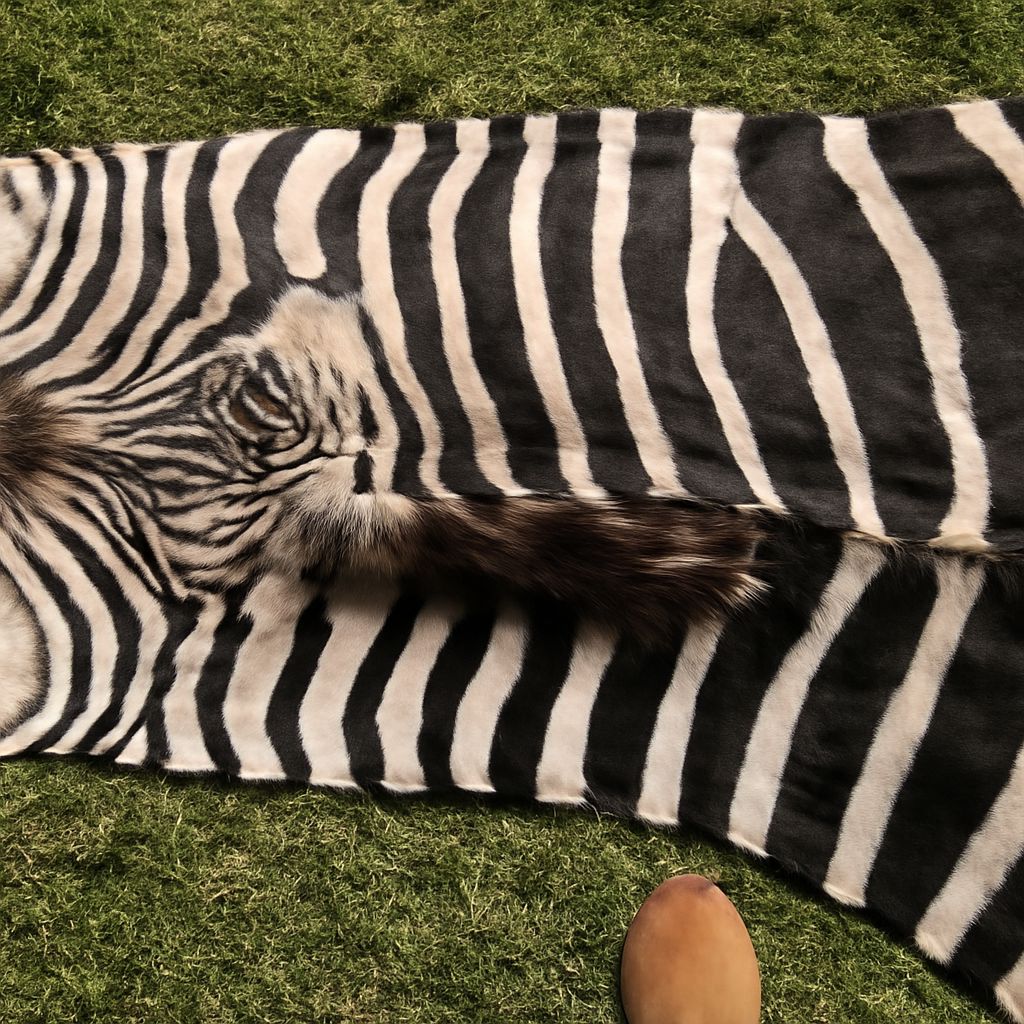
In the world of interior design and decorative arts, the allure of exotic materials like zebra skin has captivated collectors and enthusiasts alike. Zebra skin is celebrated for its striking patterns and is often sought after for use in high-end rugs and upholstery. However, the conversation around animal skins doesn’t stop with home decor. In the medical field, skin flap surgery has revolutionized healing processes, utilizing various types of skin flaps to aid recovery and improve patient outcomes. This article explores these intriguing topics, delving into the uses and ethical considerations of zebra skins, while also examining the medical wonders of skin flap surgery.
What Is Zebra Skin and How Is It Used?
Zebra skin is known for its unique and eye-catching patterns, making it a popular choice for luxurious home decor items. Used primarily in rugs, zebra hides offer a distinctive aesthetic that brings a touch of the wild into any space. The exotic appeal of a zebra skin rug lies not only in its visual charm but also in its durability and the cultural statement it makes. Beyond rugs, zebra skins are also used in fashion and accessory design, providing an element of high fashion and sophistication. However, the use of animal skins raises questions about sustainability and ethics, which are crucial in understanding the full impact of these practices.
The Role of Skin Flap Surgery in Medicine
Skin flap surgery represents a significant advancement in medical procedures, particularly in reconstructive surgery. By using skin flaps, which are sections of skin with their own blood supply, surgeons can cover and heal wounds that would otherwise be difficult to treat. This technique is invaluable in trauma care, cancer treatment, and correcting congenital anomalies. Skin flap procedures have improved recovery times and outcomes, allowing patients to regain function and appearance more effectively. The versatility and life-changing benefits of skin flap surgery underscore its importance in modern medicine.
How Are Skin Flaps Utilized in Healing?
Skin flaps are utilized in various medical scenarios, each tailored to the specific needs of the patient. For instance, local flaps, which are tissue sections moved from an adjacent area, are ideal for small wound coverage. Regional flaps, on the other hand, are used when larger areas need to be covered. In more complex cases, free flaps, which involve transferring tissue from one body part to another, are implemented. These procedures not only restore the skin but also support underlying structures, thereby aiding comprehensive healing. The strategic use of skin flaps has greatly enhanced the ability of medical professionals to treat extensive injuries and defects.
Comparing Zebra Skin Rugs and Human Skin Rugs
While zebra skin rugs are a symbol of luxury and exotic appeal, the notion of human skin rugs is both controversial and unsettling. Zebra hides have historically been used in decor for their aesthetic qualities, whereas the concept of using human skin in a similar manner raises profound ethical and moral questions. Human skin rugs are not commercially available and are primarily discussed in academic, historical, or fictional contexts. The comparison highlights the differences in societal acceptance and ethical considerations between animal and human skins, prompting further discussion on the value and treatment of living beings.
Ethical Considerations Surrounding Skin Rugs
The use of animal skins, including zebra hides, in home decor and fashion has sparked significant ethical debate. Concerns focus on animal rights, conservation efforts, and sustainable practices. Many argue that the demand for exotic skins contributes to poaching and the decline of wildlife populations. In response, regulations have been put in place to ensure that zebra skins are sourced legally and ethically, often requiring certification. Meanwhile, the idea of human skin rugs, though largely theoretical, opens a broader dialogue on human dignity and ethical boundaries in art and collectibles. The ethical considerations surrounding skin rugs are complex and require an ongoing commitment to responsible and informed consumer choices.
Where to Find Authentic Zebra Skin Rugs
For those interested in acquiring zebra skin rugs, it is crucial to seek out reputable and certified sources. Authentic zebra hides should come with documentation verifying their legal and ethical sourcing. Many specialized retailers and antique dealers offer zebra rugs, ensuring compliance with international wildlife trade laws such as CITES (the Convention on International Trade in Endangered Species of Wild Fauna and Flora). Buyers should also consider the ecological impact of their purchases and explore eco-friendly alternatives or certified synthetic options that mimic the beauty of natural zebra patterns while supporting conservation efforts.
Bottom line: Zebra skin continues to fascinate with its unique beauty and application in design, while skin flap surgery remains a cornerstone in medical advancements. As consumers and enthusiasts, it is vital to approach these topics with a balanced view, appreciating the beauty and utility offered by these materials while advocating for ethical and sustainable practices.




Leave a Reply