
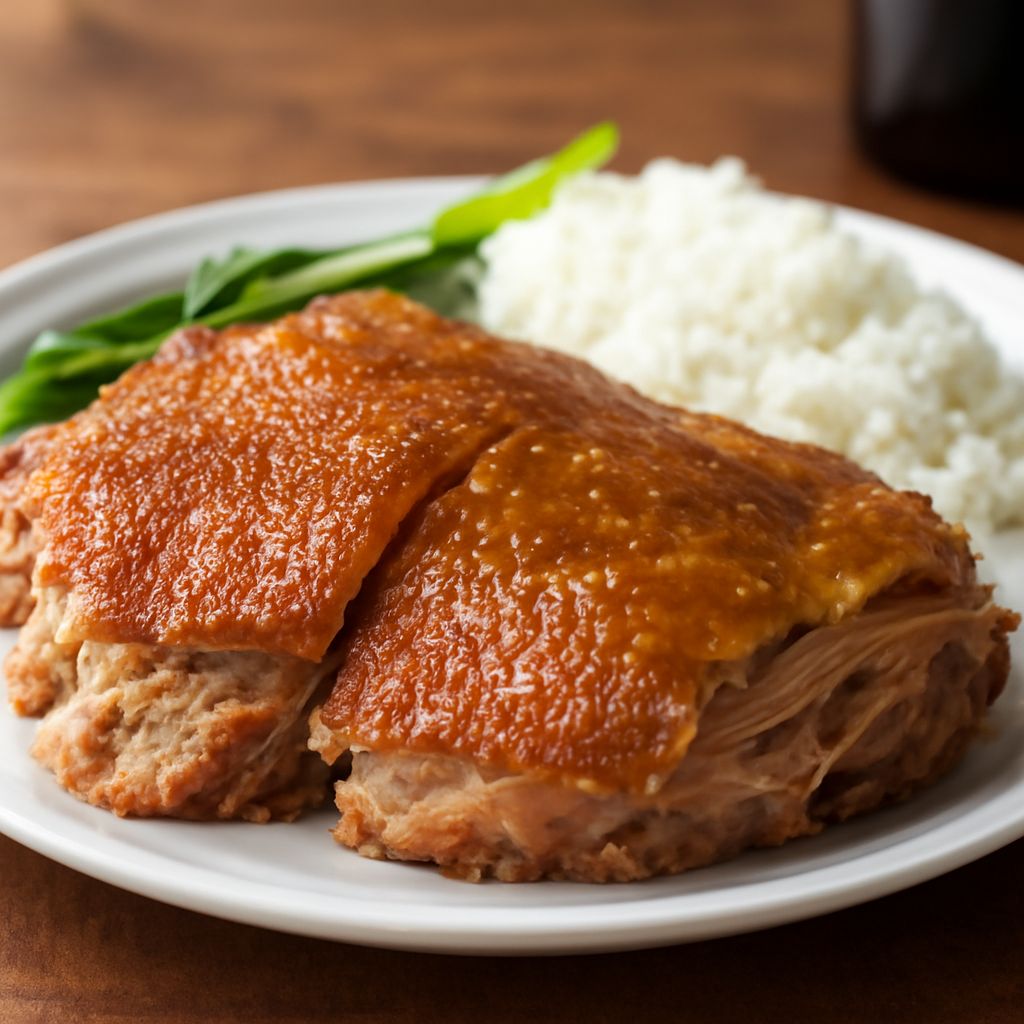
For many culinary enthusiasts, pork belly with skin represents the pinnacle of indulgent flavor and textural contrast. It offers a delightful combination of crispy skin and tender meat, making it a sought-after choice for both home cooks and professional chefs. But the allure of dishes with skin isn’t exclusive to pork; chicken breast with skin and even fish like halibut can be enhanced by keeping the skin intact during cooking. The key is understanding how each type of meat benefits from this approach.
In this article, we’ll explore the unique characteristics of pork belly with skin, delve into the art of cooking chicken breast with skin, and discover the rich flavors of pork shoulder when prepared with its skin. Additionally, we’ll guide you on how to grill halibut with skin and discuss the nutritional aspects of pork skin. Whether you’re a home cook looking to up your game or a foodie eager to understand more about these culinary delights, read on to unlock the secrets of cooking with skin.
What Makes Pork Belly with Skin So Special?
Pork belly with skin stands out primarily due to its ability to deliver a satisfying crunch alongside melt-in-your-mouth meat. The skin, when properly prepared, crisps up beautifully, offering a delightful contrast to the fatty, succulent layers underneath. This combination makes it a favorite in both traditional and modern cuisines, from Asian-inspired dishes to Western-style roasts.
The technique for achieving perfect pork belly with skin involves careful preparation, including scoring the skin to help render the fat and using a combination of high and low temperatures during cooking. This ensures the skin becomes crispy while the meat remains juicy.
How to Cook Chicken Breast with Skin to Perfection
Cooking chicken breast with skin can elevate a simple dish into a gourmet experience. The skin acts as a natural barrier, locking in moisture and enhancing flavor as it crisps up in the oven or on the stovetop. The key is to start with a hot surface to ensure the skin becomes golden and crispy, then continue cooking at a lower temperature to gently cook the meat.
Seasoning is crucial. A simple mix of salt, pepper, and perhaps some herbs under the skin can infuse the meat with flavor. Additionally, making sure the skin is dry before cooking is essential for achieving that coveted crispness.
Exploring the Rich Flavors of Pork Shoulder with Skin
Pork shoulder with skin offers a depth of flavor that’s hard to match, making it a favorite for slow-cooked dishes. The skin helps to retain moisture during the long cooking process and adds a layer of texture to the finished dish.
Whether you’re roasting it low and slow or using it as the base for a savory stew, pork shoulder benefits from a generous seasoning and marinating time. This allows the flavors to penetrate the meat thoroughly, resulting in a dish that’s both tender and flavorful.
How to Grill Halibut with Skin for a Delicious Meal
Grilling halibut with skin not only preserves the fish’s natural moisture but also adds a delightful crispiness. The skin acts as a protective layer, preventing the delicate flesh from sticking to the grill and breaking apart.
Start by preheating the grill to a medium-high heat and ensuring the grill grates are clean and well-oiled. Place the halibut skin-side down and grill without moving it for several minutes until the skin crisps up. Then, carefully flip to finish cooking the fish through. A simple seasoning of lemon juice, salt, and pepper can enhance the natural flavors without overpowering the delicate fish.
Understanding Pork Skin Nutrition
While indulgent, pork skin does have its nutritional merits, offering a source of protein and essential fats. It’s important to enjoy it in moderation, considering its calorie density and fat content. However, when eaten as part of a balanced diet, pork skin can be a flavorful addition.
Pork skin is often rich in collagen, which may support skin and joint health. However, it should be consumed with consideration of individual dietary needs and health goals. Moderation is key, and pairing pork skin dishes with plenty of vegetables can help balance the meal.
Safety Recap: When preparing dishes with skin, ensure all tools are sharp for scoring and handling meats safely. If new to cooking with skin, consider starting with simple recipes to build confidence. Remember, always prioritize food safety and hygiene in the kitchen.





Leave a Reply