
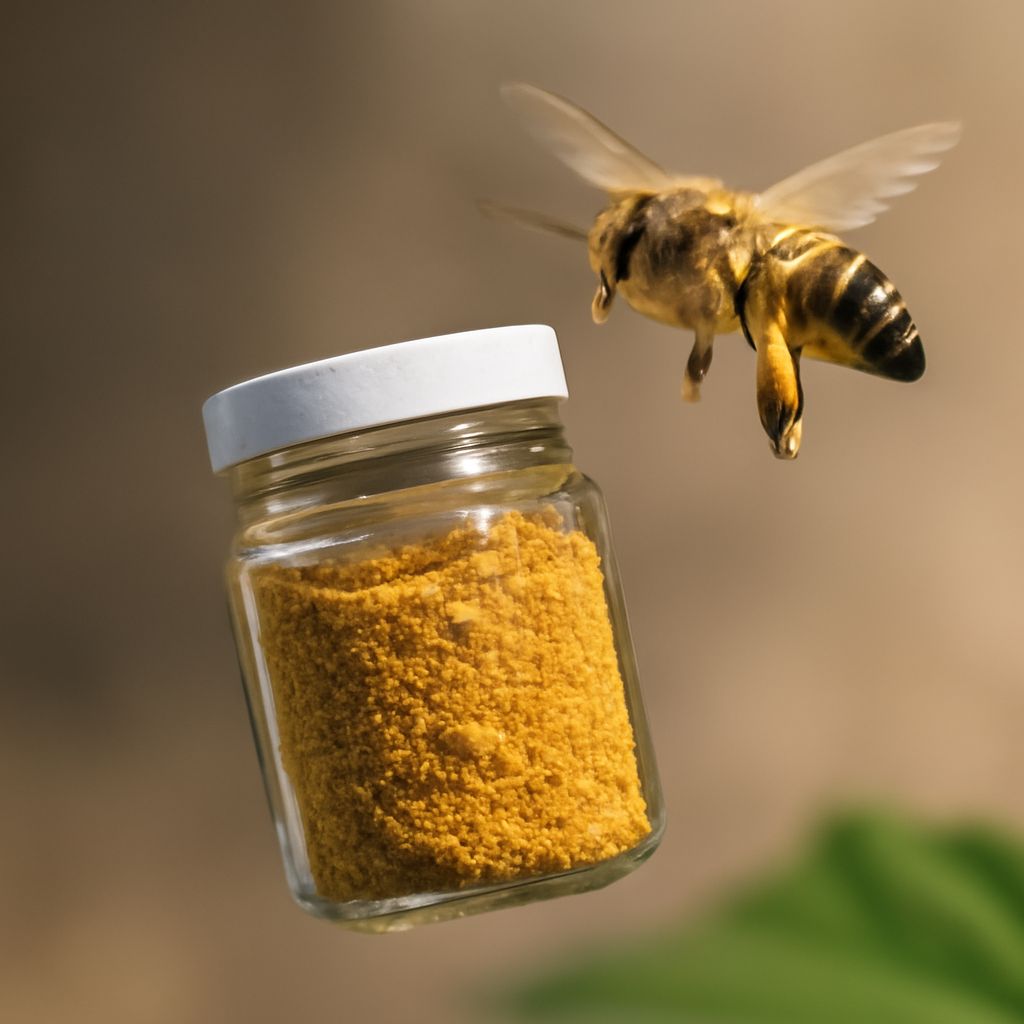
Springtime brings a bloom of vibrant flora that enchants the senses, yet for many, it also heralds an unwelcome guest—pollen skin allergy. This allergic reaction can manifest as itchy, irritated, and inflamed skin, significantly affecting one’s quality of life. While pollen is a common trigger, it is crucial to discern these reactions from other potential skin irritants, such as beef skin sensitivities, to effectively manage symptoms. Understanding the interplay between these allergens and utilizing effective solutions like skin salves can offer relief and comfort.
In an era where myths such as werewolf skin continue to captivate the imagination, the need to separate fact from fiction becomes imperative. Moreover, advancements in allergy treatment, including skin extractions, provide new avenues for those seeking relief from persistent symptoms. This guide delves into the complexities of pollen-induced skin reactions and explores various management strategies to help you navigate this common yet challenging condition.
What Is Pollen Skin Allergy?
Pollen skin allergy is an immune response triggered by exposure to pollen, a fine powder produced by plants. When pollen comes into contact with the skin, it can lead to an allergic reaction characterized by redness, itching, and swelling. These symptoms occur as the body’s immune system mistakenly identifies pollen as a harmful substance, releasing histamines that cause inflammation and discomfort.
Not everyone exposed to pollen will experience skin allergies. The likelihood of developing an allergy depends on various factors, including genetic predisposition and environmental exposures. Understanding these nuanced triggers is essential for effective management and prevention.
How Does Pollen Affect the Skin?
Pollen acts as a potent allergen, especially during peak flowering seasons. Upon contact with the skin, pollen particles can penetrate the epidermis, triggering an immune response. This reaction may result in conditions such as contact dermatitis or exacerbate existing skin issues like eczema and hives.
The skin’s sensitivity to pollen can be influenced by its health and integrity. Factors such as skin hydration, presence of existing irritants, and overall immune function play a critical role in determining the severity of the reaction. Keeping the skin barrier healthy can help mitigate the effects of pollen exposure.
How to Differentiate Pollen Skin Allergy from Beef Skin Issues
While both pollen and beef skin allergies can present with similar symptoms, they stem from different causes and require distinct approaches for management. Pollen-related allergies usually coincide with seasonal changes and outdoor exposure, whereas beef skin sensitivity arises from direct contact with beef products or consumption.
To accurately differentiate between these allergies, one must consider the timing and context of symptom onset. Allergy testing can also be beneficial, providing insights into specific triggers and helping to tailor appropriate treatment plans.
Effective Skin Salve Remedies for Allergic Reactions
Skin salves are a popular remedy for managing allergic reactions due to their soothing and protective properties. Formulated with ingredients like aloe vera, calendula, and chamomile, these topical treatments can alleviate itching and promote healing of irritated skin.
When choosing a skin salve, it’s essential to consider the formulation’s compatibility with your skin type and the severity of your symptoms. Consulting with a dermatologist can guide you in selecting a product that best suits your needs, ensuring effective relief without exacerbating the condition.
Exploring the Myth of Werewolf Skin and Allergies
The legend of werewolf skin, often sensationalized in folklore, suggests a transformation or heightened allergic responses related to animalistic characteristics. While intriguing, this myth has no scientific basis in the context of actual allergic reactions.
Understanding the difference between fictional narratives and real-world allergies is crucial for dispelling misconceptions. Recognizing the true nature of allergenic stimuli, such as pollen or food proteins, enables informed choices about managing skin health effectively.
Understanding Skin Extractions in Allergy Treatment
Skin extractions, a technique traditionally associated with skincare, have found their place in allergy treatment as well. This method involves the careful removal of allergens or irritants from the skin’s surface, minimizing inflammation and promoting optimal healing.
While skin extractions can be beneficial for some, they should be performed with caution. Using sharp tools requires skill and precision to avoid aggravating the skin. It is advisable to seek professional assistance when considering this approach, ensuring safety and efficacy in allergy management.
Pro tips recap: Managing pollen skin allergy involves understanding its causes and distinguishing it from other allergens like beef skin sensitivity. Use skin salves that soothe and protect, ensuring they match your skin type and condition. Dismiss myths like werewolf skin, focusing on evidence-based treatments such as skin extractions. Always consider professional guidance to safeguard skin health.





Leave a Reply