
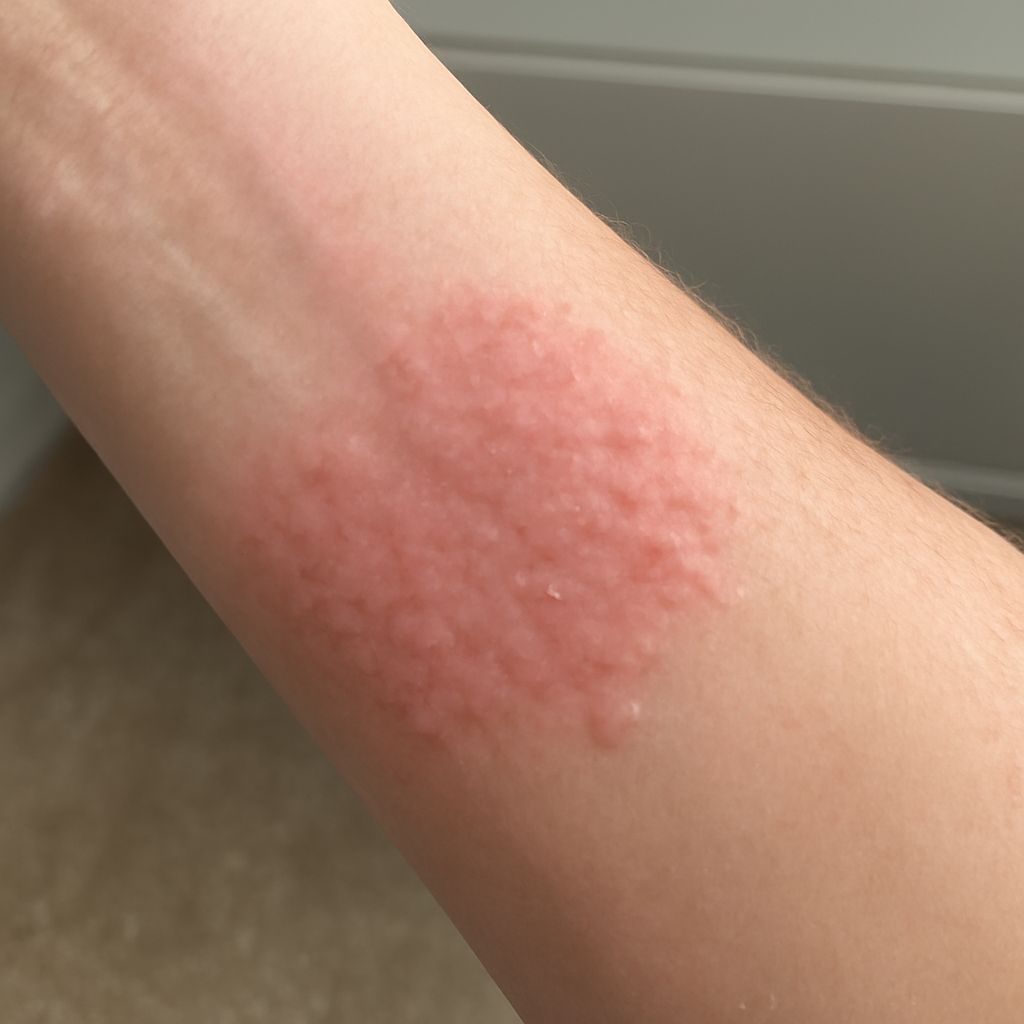
Carpet beetles are tiny pests that can cause significant skin reactions, often leading people to seek effective solutions. While these insects are primarily known for damaging household items, they can also irritate the skin, causing itchy welts or rashes. To combat these unwelcome symptoms, switching skin care routines can be a crucial step. By understanding the triggers and incorporating targeted care practices, individuals can achieve silky skin and maintain diverse skin complexions.
Whether you’re curious about trying a skin bikini treatment or ensuring your skin remains resilient against allergens, it’s essential to adopt an informed approach. This article explores the causes of carpet beetle skin reactions, ways to upgrade your skin care routine, and evaluate treatments to maintain healthy skin.
What Causes Carpet Beetle Skin Reactions?
Carpet beetle skin reactions occur when tiny hairs from these insects, known as setae, come into contact with the skin. These hairs can cause an allergic reaction, leading to discomfort and itching. The larvae are primarily responsible for these reactions, as they shed their setae throughout their environment. People often come into contact with these hairs when cleaning or moving infested materials, such as clothing and carpets, which can exacerbate the problem.
It’s important to note that not everyone will react to carpet beetle exposure. However, for those with sensitive skin or allergies, the presence of these pests can lead to pronounced symptoms. If you suspect carpet beetles in your home, consider consulting a pest control professional to manage the infestation effectively.
How to Switch Skin Care Routines for Better Results
Changing your skin care routine can be beneficial if you’re experiencing skin reactions from carpet beetles. Begin by evaluating the products you currently use. Opt for hypoallergenic products that are free from harsh chemicals, as these are less likely to irritate reactive skin. Incorporating a gentle cleanser and moisturizer can help soothe itchy and inflamed areas.
Additionally, it is wise to incorporate products with calming ingredients such as aloe vera and chamomile. These ingredients can help reduce inflammation and provide relief from itching. Remember to patch-test any new products to ensure they do not exacerbate your symptoms.
Achieving Silky Skin: Tips and Techniques
To achieve silky skin, it is essential to maintain a regimen that supports skin health and resilience. Regular exfoliation can help remove dead skin cells, promoting a smoother texture. However, choose a gentle exfoliator to avoid aggravating sensitive areas affected by carpet beetles.
Hydration is also key to maintaining silky skin. Ensure you drink plenty of water and use a hydrating serum or cream to lock in moisture. Ingredients such as hyaluronic acid are excellent for maintaining skin moisture levels without causing irritation.
Is a Skin Bikini Treatment Right for You?
A skin bikini treatment can be an option for those looking to pamper their skin further. These treatments often involve exfoliation and moisturizing components designed to leave the skin soft and smooth. However, they may not be suitable for everyone, especially those with sensitive complexions or active allergic reactions.
Before considering a skin bikini treatment, consult a dermatologist or skin care professional. They can provide tailored advice based on your skin type and current condition. If undergoing such a treatment, ensure the products used are mild and suitable for sensitive skin.
Understanding Different Skin Complexions
Understanding your skin complexion is vital for selecting the appropriate products and treatments. Skin complexions vary greatly, and each type has specific needs and challenges. For example, those with oily skin may require different products than those with dry or combination skin.
Recognize that diverse complexions may react differently to carpet beetle exposure. Those with lighter skin might experience more visible reactions, while darker complexions may have subtler symptoms. Tailoring your skin care routine to your specific complexion can help manage and mitigate reactions effectively.
Managing and Treating Carpet Beetle Skin Reactions
To manage and treat carpet beetle skin reactions, start by addressing the source of the problem: the beetles themselves. Regular cleaning, vacuuming, and laundering of items exposed to beetles can help reduce their presence. In severe cases, professional pest control may be necessary to eliminate infestations.
For treatment, over-the-counter antihistamines can alleviate itching and swelling. Topical hydrocortisone creams may also provide relief by reducing inflammation. However, if symptoms persist or worsen, seek medical advice to rule out other underlying conditions or allergic responses.
Safety Note: Always handle sharp tools and products with care, especially when dealing with potential allergens or irritants. Perform patch tests when introducing new products to your skin care routine to prevent adverse reactions.
Next steps: Establishing an effective skin care routine and addressing environmental factors can significantly improve your skin’s health. Regularly review and adapt your routine to meet the changing needs of your skin and environment. Consult skin care professionals when necessary to ensure your approach remains effective and safe.




Leave a Reply