
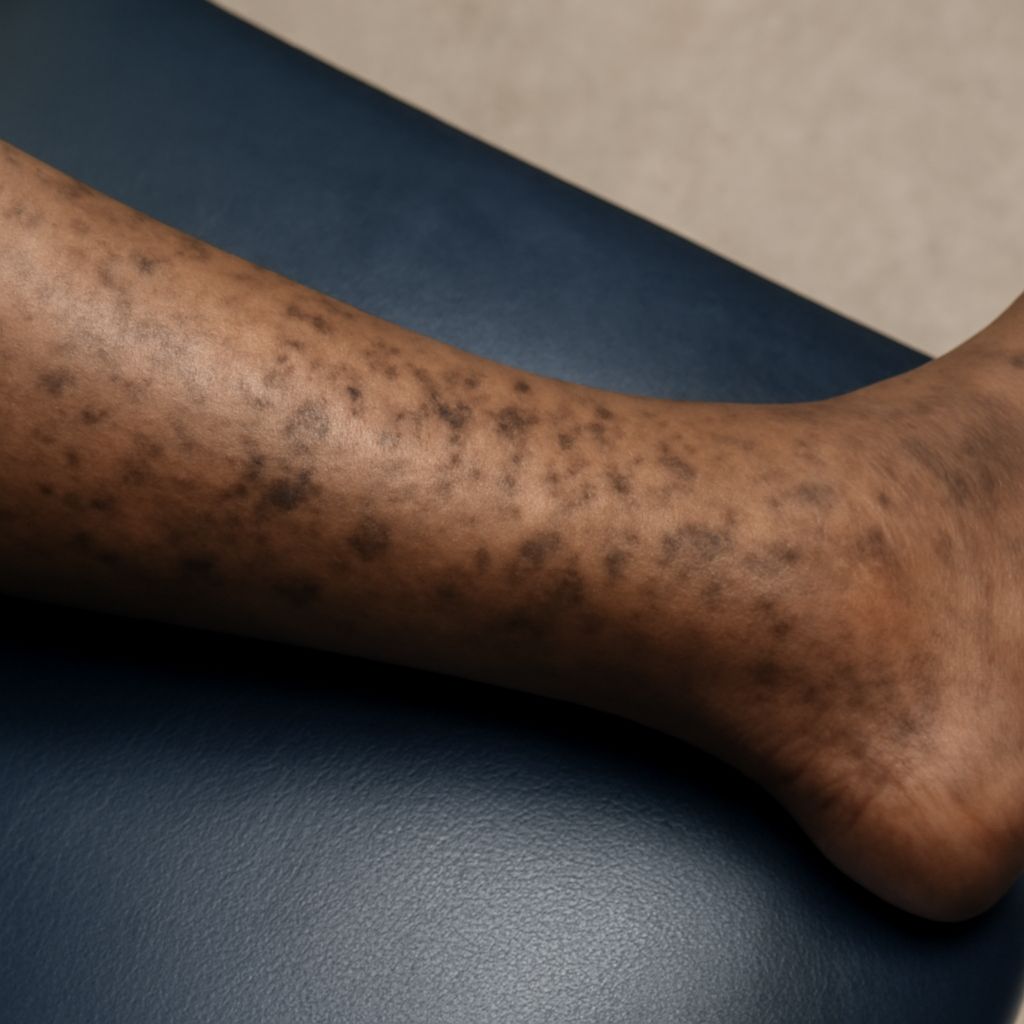
Lupus skin rash is a condition that can significantly impact one’s quality of life. These lesions, often painful or itchy, signal the need for proper diagnosis and management. Understanding the causes and symptoms of lupus skin rash is crucial for finding effective treatments and improving skin health. With the right approach, living comfortably with this condition is achievable.
What is a Lupus Skin Rash?
A lupus skin rash is a manifestation of an autoimmune disease called lupus, where the body’s immune system mistakenly attacks healthy tissues. This rash can appear in various forms, including red, scaly patches or more generalized lesions that affect different parts of the body. The skin lesions are not merely cosmetic concerns; they can cause discomfort and further complications if left untreated.
What Causes Lupus Skin Lesions?
Lupus skin lesions are primarily caused by the autoimmune response characteristic of lupus. In individuals with lupus, the immune system creates antibodies against the body’s own cells, leading to inflammation and damage in tissues, including the skin. Environmental factors such as sun exposure and stress can exacerbate these skin issues, triggering or worsening existing rashes. Genetic predispositions also play a significant role, as lupus often runs in families.
How to Identify Lupus Skin Rash Symptoms
Recognizing the symptoms of a lupus skin rash is essential for timely intervention. Common symptoms include a butterfly-shaped rash across the nose and cheeks, discoid rashes that are circular and scaly, and photosensitivity resulting in skin lesions after sun exposure. Other symptoms might include redness, itching, and swelling of the affected areas. It’s crucial to distinguish these rashes from other skin conditions like psoriasis or eczema, as the treatments may differ.
What are Effective Treatments for Lupus Skin Rash?
Treating lupus skin rash involves a combination of topical and systemic approaches, tailored to the severity of the symptoms.
Topical Treatments
Topical corticosteroids are commonly prescribed to reduce inflammation and control symptoms like itching and redness. Calcineurin inhibitors may also be recommended as they help modulate the immune response in the skin without the side effects of steroid creams. Regular use of moisturizing creams and sunblock is crucial for protecting the skin from further damage and preventing flare-ups.
Systemic Medications
In more severe cases, systemic medications such as antimalarials (e.g., hydroxychloroquine) are used. These drugs help manage the immune response and reduce skin symptoms effectively. Immunosuppressants or biologic agents might be prescribed for those who do not respond to other treatments. However, these medications must be carefully monitored by a healthcare provider due to potential side effects.
How to Manage and Prevent Lupus Skin Lesions
Preventing lupus skin lesions involves a proactive approach to health and lifestyle. Regularly applying broad-spectrum sunscreen with a high SPF is vital to protect against UV rays that can trigger lesions. Wearing protective clothing and seeking shade when outdoors are simple yet effective strategies. Stress management techniques such as yoga or meditation can also play a role in reducing flare-ups, as stress is a known trigger for lupus symptoms. Maintaining a balanced diet rich in antioxidants may support overall skin health and reduce inflammation.
When to Seek Medical Advice for Lupus Skin Rash
It is important to consult a healthcare professional if you notice any persistent or worsening skin changes. Early diagnosis and treatment can prevent complications and improve outcomes. Seek medical advice if you experience severe pain, burning, or signs of infection like pus or fever associated with a rash. A dermatologist or rheumatologist can provide specialized care and guidance tailored to your specific needs.
Bottom line: Managing lupus skin lesions requires a comprehensive approach that combines medical treatment with lifestyle modifications. By understanding the symptoms and triggers, individuals with lupus can effectively manage their skin health and lead a comfortable life. Always consult a healthcare professional for guidance tailored to your situation.


Leave a Reply