
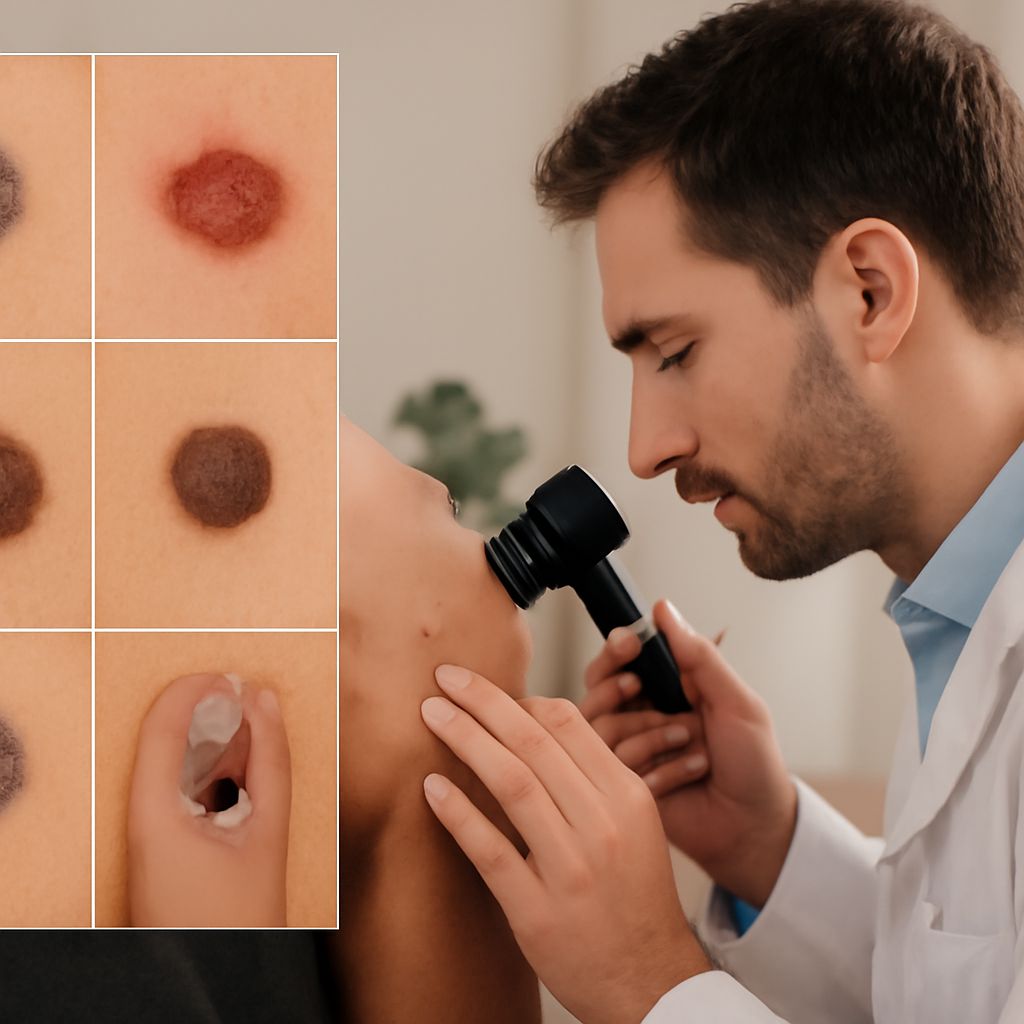
Melanoma is a serious form of skin cancer that can be life-threatening if not detected and treated in its early stages. Recognizing the signs of melanoma on the skin is crucial in preventing its progression. With the help of pictures of melanoma skin cancer, individuals can become more familiar with its appearance and catch any suspicious changes in their skin early. This article will explore what melanoma looks like on the skin and provide guidance on when to consult a dermatologist.
Understanding Melanoma
Melanoma develops from melanocytes, the cells responsible for producing the pigment melanin that colors our skin. While it can occur anywhere on the body, melanoma is most frequently found on areas exposed to the sun, such as the back, legs, arms, and face. Melanoma is less common than other types of skin cancer but is more dangerous due to its tendency to spread to other parts of the body.
The risk factors for melanoma include excessive sun exposure, having fair skin, a history of sunburns, and a family history of skin cancer. It is important to understand these risks and take measures to protect your skin from harmful UV rays to reduce the likelihood of developing melanoma.
How to Recognize Melanoma on the Skin
Recognizing melanoma on the skin involves examining moles and pigmented spots for changes in appearance. The ABCDE rule is a helpful tool in identifying suspicious moles:
- Asymmetry: One half of the mole does not match the other.
- Border: Edges are irregular, scalloped, or poorly defined.
- Color: Varies from one area to another; may include shades of brown, black, or sometimes patches of pink, red, white, or blue.
- Diameter: Melanomas are usually greater than 6mm (about the size of a pencil eraser) when diagnosed, but they can be smaller.
- Evolving: A mole or skin lesion that looks different from the rest or is changing in size, shape, or color.
It is important to perform regular skin self-examinations to detect any changes early. If you notice any new or changing moles, it is advised to consult a dermatologist promptly.
What Do Pictures of Melanoma Skin Cancer Reveal?
Pictures of melanoma skin cancer provide valuable insight into its appearance and can help individuals recognize potential warning signs on their skin. These images often show irregular and asymmetrical moles with uneven coloration and borders.
By examining a variety of melanoma pictures, one can better understand the range of appearances that melanoma can have. These images often depict melanomas that vary in size, shape, and color, emphasizing the importance of paying attention to any changes in the skin.
Different Types of Melanoma and Their Appearance
There are several types of melanoma, each with distinct characteristics:
- Superficial Spreading Melanoma: This is the most common type of melanoma. It often starts as a flat or slightly raised discolored patch with irregular borders.
- Nodular Melanoma: This type is more aggressive and appears as a raised bump, usually dark brown or black, but it can also be pink or red.
- Lentigo Maligna Melanoma: Typically occurs in older adults on sun-damaged skin and appears as a large, flat, and tan or brown patch with an uneven border.
- Acral Lentiginous Melanoma: This rare form appears on the palms, soles, or under the nails, more common in people with darker skin.
Understanding the different types of melanoma and their unique appearances can aid in early detection and treatment.
When to Consult a Dermatologist
Consulting a dermatologist is crucial if you notice any suspicious changes in your skin. It is recommended to see a dermatologist if you observe any of the following:
- A new mole or growth on the skin that looks different from others.
- An existing mole that has changed in color, size, or shape.
- A mole that bleeds, itches, or becomes painful.
Early detection of melanoma significantly increases the chances of successful treatment. Dermatologists can perform thorough skin examinations and, if necessary, conduct a biopsy to determine if a mole is cancerous.
Safety Recap: When examining your skin, it’s essential to use adequate lighting and, if needed, a magnifying mirror to get a clear view. If you choose to monitor your skin over time, taking periodic photographs can help track changes accurately. Always consult a professional if in doubt about any skin conditions.




Leave a Reply