
If you’re seeking smoother, brighter, and clearer skin, glycolic acid for skin is a popular ingredient you’ve likely encountered across a range of skincare products. Dullness, rough texture, and stubborn dark spots are common concerns for many people, but the right approach can transform your complexion. That’s where glycolic acid comes in—a time-tested chemical exfoliant with the ability to reveal healthier, more radiant skin underneath. With growing interest in skin glycolic acid, understanding how it works, its advantages, and how to use it safely is essential for anyone wanting to enhance their skincare routine effectively and responsibly.
This guide covers everything you need to know about including glycolic acid in your regimen, from its mechanism of action and top benefits, to practical usage advice and important safety considerations. Whether you’re brand new to this ingredient or looking to refine your knowledge, we’ll help you make informed choices for a glowing complexion.
What is Glycolic Acid and How Does It Work on Skin?
Glycolic acid belongs to the alpha hydroxy acid (AHA) family, a group of naturally-derived acids commonly found in fruit, sugarcane, and milk. Of all the AHAs, glycolic acid has the smallest molecular structure, allowing it to penetrate the skin’s surface more effectively than many others. This unique characteristic makes it a powerful and widely used option in modern skincare regimens.
When applied topically, glycolic acid works by gently breaking down the bonds that hold dead skin cells together on the outer layer of the skin (the stratum corneum). This action allows those dull, dead cells to be sloughed off more easily, revealing the fresher, healthier cells beneath. As a result, regular use can lead to a smoother skin texture and a more even tone.
In addition to exfoliation, glycolic acid stimulates collagen production within the dermis, helping to support the skin’s firmness and resilience. It also enhances the absorption of subsequent skincare products by clearing away the barrier of dead cells, making your overall routine more effective. The combination of deep exfoliation and improved product efficacy is why glycolic acid continues to be a favorite among dermatologists and skincare enthusiasts alike.
What Are the Main Benefits of Glycolic Acid for Skin?
Consistent application of glycolic acid offers a wide variety of benefits for different skin types and concerns. One of its most celebrated advantages is its ability to improve skin texture; by clearing away dead cells, glycolic acid leaves the skin feeling softer and looking smoother. This process also helps to minimize the appearance of fine lines and superficial wrinkles, giving the complexion a revitalized look.
Another key benefit is the acid’s capacity to fade dark spots, hyperpigmentation, and post-inflammatory marks left by acne. As fresh cells rise to the skin’s surface, areas of uneven pigmentation become less noticeable over time. This makes glycolic acid an effective ally for those seeking a more even and luminous skin tone.
People dealing with congested pores or mild acne may find that glycolic acid helps to keep their skin clearer. By keeping pores free of dead skin buildup, it reduces the risk of blockages that can lead to breakouts and blackheads. Additionally, glycolic acid can help brighten a dull complexion, making skin look more youthful and vibrant after regular use.
How Should Glycolic Acid Be Used in a Skincare Routine?
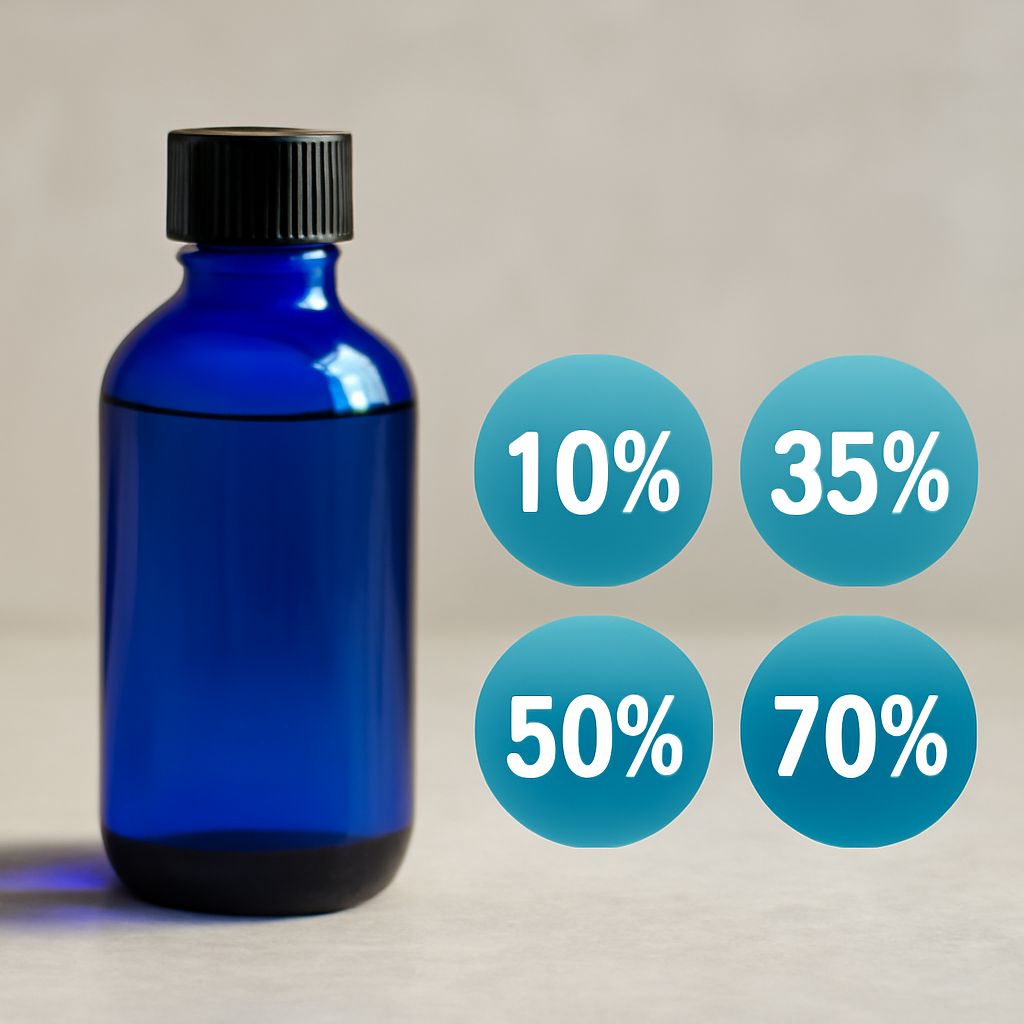
Integrating glycolic acid into your daily or weekly skincare regimen requires a thoughtful approach to maximize results while minimizing irritation. Glycolic acid is available in a range of formulations, including cleansers, toners, serums, creams, and peels. For beginners, it’s wise to start with lower concentrations—typically between 2% and 5%—and gradually work your way up as your skin builds tolerance.
To use a glycolic acid-based product, begin with a clean face. If you’re using a toner or serum, apply it after cleansing and before moisturizing. Allow the product to absorb fully before moving on to the next step in your routine. Once or twice weekly application may be sufficient for those with sensitive skin, while others may tolerate more frequent use. Always follow the instructions provided with the specific product you choose.
Because glycolic acid can increase your skin’s sun sensitivity, applying a broad-spectrum sunscreen every morning is essential, even on cloudy days. This will help prevent sunburn and minimize the risk of further pigmentation. Remember to pair glycolic acid with hydrating and soothing ingredients—such as hyaluronic acid, glycerin, or ceramides—to maintain your skin’s moisture balance and reduce the likelihood of dryness or irritation.
Are There Any Side Effects or Risks of Using Glycolic Acid for Skin?
Although glycolic acid is generally considered safe for most people when used appropriately, it can cause side effects, especially when overused or combined with other potent actives. The most common reactions include mild redness, tingling, dryness, or flakiness, particularly during the initial phases of use as your skin adjusts to the exfoliant.
Some individuals may experience heightened sensitivity or mild stinging upon application. If you notice persistent irritation, it’s advisable to decrease the frequency of use or switch to a formulation with a lower concentration of glycolic acid. Serious reactions are rare but may include swelling or severe burning; discontinue use and seek medical advice if these occur.
To minimize risk, always perform a patch test on a small area of skin before using a new glycolic acid product on your face. Be particularly cautious when using sharp tools (like facial razors or exfoliating brushes) in conjunction with chemical exfoliants, as this may increase the potential for irritation or injury. Individuals with very sensitive or compromised skin barriers should consult a dermatologist before introducing glycolic acid.
Who Should Avoid Glycolic Acid or Use It With Caution?
While glycolic acid has a strong safety profile, there are specific situations where extra care is warranted. Those with highly sensitive, reactive, or eczema-prone skin may find glycolic acid too irritating, even at low strengths. People with active wounds, sunburn, or inflamed skin should postpone exfoliation until their skin has healed.
Women who are pregnant or breastfeeding should consult with their healthcare provider before using any acid-based skincare product, including glycolic acid. While topical use is generally deemed safe, it’s best to seek personalized advice in these cases. Additionally, if you’re already using other exfoliating agents like retinol, salicylic acid, or prescription treatments, introducing glycolic acid may amplify irritation or dryness, so consider spacing out applications.
Anyone with a history of allergic reactions to alpha hydroxy acids should avoid glycolic acid altogether. As with any new component in your skincare routine, gradual introduction and careful observation for adverse effects are recommended for all users.
How Do You Choose the Right Glycolic Acid Product for Your Skin?
The ideal glycolic acid product for your needs depends on your skin type, sensitivity, and personal preferences. For those new to this ingredient or with delicate skin, choose a gentle cleanser or toner with a lower acid concentration. These options provide mild exfoliation without overwhelming your complexion.
Individuals with resilient or more experienced skin may benefit from serums or creams with higher percentages of glycolic acid—up to 10% for home use. Peels and masks formulated for at-home application usually contain concentrations between 10% and 30%, but these should be used less frequently and with extra caution. Always check the ingredient list for supporting hydrators and soothing agents, which can help mitigate potential dryness or discomfort.
When evaluating products, consider their texture and how they fit into your routine. Lightweight serums absorb rapidly and layer well, while richer creams may be suitable for nighttime hydration. Prioritize reputable brands with transparent labeling, and consult reviews or ask a dermatologist if you’re unsure about which formulation will work best for your skin’s specific needs.
What Results Can You Expect from Regular Use of Glycolic Acid?
With consistent and correct use, glycolic acid can deliver visibly healthier, more radiant skin. Most people notice a smoother texture and brighter tone within a few weeks. Over time, continued exfoliation helps to minimize the look of fine lines, age spots, and uneven pigmentation, creating a more youthful and even complexion.
Improvements in clarity and luminosity are common, and those prone to breakouts may experience fewer blemishes and less congestion as pores remain clearer. The full benefits typically become apparent after one to three months of routine application, depending on the product strength and frequency of use.
It’s important to have realistic expectations: while glycolic acid is a potent ally for many skin concerns, results are gradual and depend on individual skin type and the overall quality of your skincare regimen. Consistency and patience are key to unlocking the best possible outcomes from this effective exfoliant.
Key takeaways: Glycolic acid is a proven exfoliator that brightens, smooths, and refines the skin when used thoughtfully. Start with gentle formulas, protect your skin with sunscreen, and monitor for signs of irritation. With the right approach, this ingredient can be a valuable addition to nearly any skincare routine.




Leave a Reply