
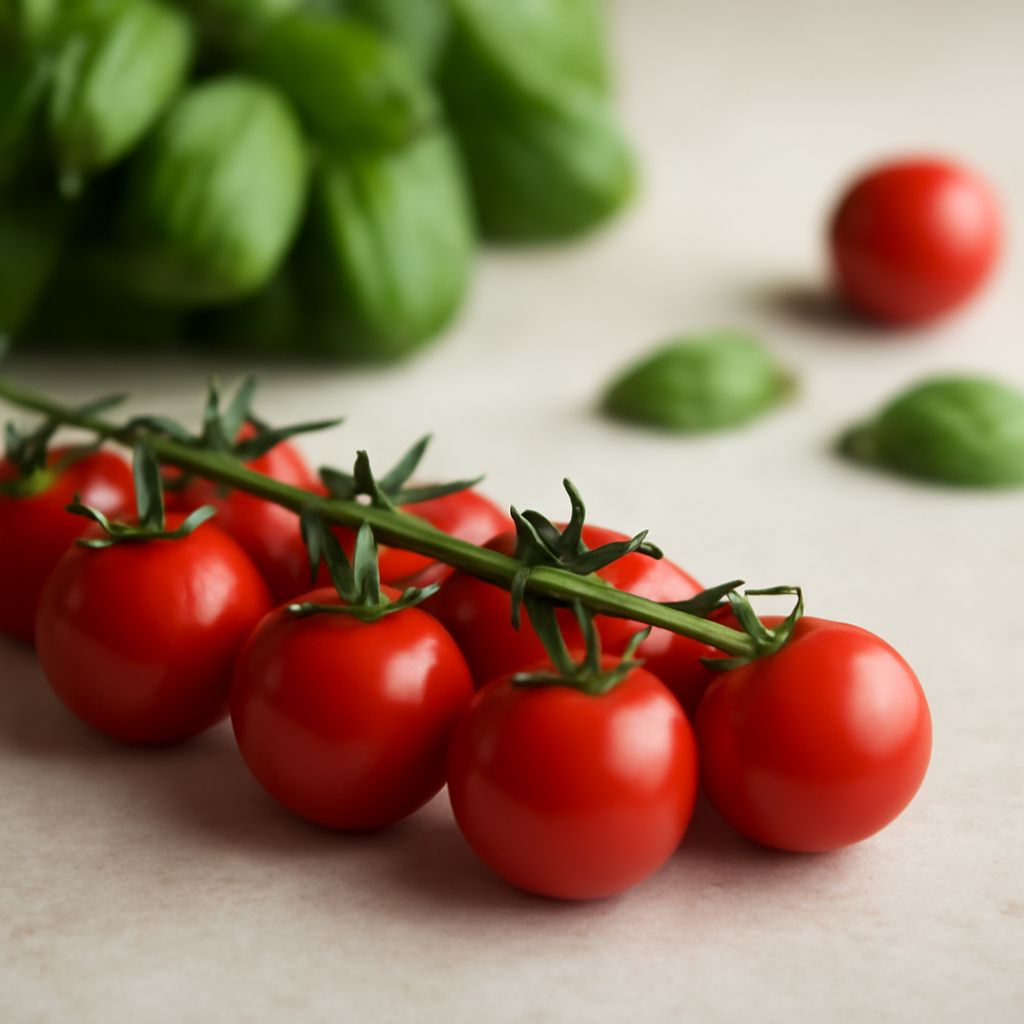
Many people strive for radiant skin, but achieving this often requires more than just topical solutions. Food that is good for your skin plays a crucial role in enhancing your appearance and promoting skin repair. By incorporating the best food for your skin into your diet, you can naturally support your skin’s health and vitality. Foods that help skin glow, such as specific fruits and vegetables, can significantly contribute to your skin’s overall condition, making it more supple and resilient.
Understanding which foods are beneficial is essential for anyone looking to improve their skin health. From antioxidants to essential nutrients, the components in these foods work together to offer protection, repair, and rejuvenation. This guide explores the top picks for radiant skin, including a variety of vegetables good for skin health, offering a comprehensive approach to nutrition and skincare.
What Are the Best Foods for Skin Repair?
Understanding Skin Repair Needs
Our skin is constantly exposed to environmental stressors, such as UV rays and pollution, which can lead to damage. Therefore, skin repair is a continuous process that involves the regeneration of new cells to replace damaged ones. A diet rich in nutrients is essential to support this process.
How Diet Influences Skin Health
The foods we consume provide the building blocks necessary for maintaining healthy skin. A balanced diet influences the skin’s ability to repair itself and stay resilient. Consuming a variety of fruits, vegetables, and healthy fats can enhance skin elasticity and hydration, playing a critical role in skin health.
How Do Foods Help in Skin Regeneration?
Nutrients Essential for Skin Repair
Proteins, vitamins, and minerals are vital for skin repair. Proteins provide amino acids that are essential for the production of collagen and elastin, two components that maintain skin structure and elasticity. Vitamins A, C, and E are particularly beneficial, aiding in cell repair and protection against free radical damage.
The Role of Antioxidants
Antioxidants found in many foods help protect skin cells from oxidative stress, which can accelerate aging. Foods rich in antioxidants, such as berries and green tea, neutralize free radicals and reduce inflammation, promoting healthier and more resilient skin.
Which Food Is Good for Your Skin Health?
Powerful Superfoods for Skin
Superfoods like avocados, nuts, and seeds are packed with healthy fats and vitamins crucial for skin health. Avocados are rich in vitamin E and biotin, promoting skin hydration. Nuts provide zinc, which is vital for repairing skin tissues and protecting against bacterial infections.
Daily Diet Tips for Glowing Skin
Incorporating a variety of foods that help skin glow into your daily diet can make a noticeable difference. Start your day with a smoothie packed with spinach, berries, and chia seeds to boost your intake of vitamins and antioxidants. Ensure you stay hydrated by drinking plenty of water, as this aids in detoxifying the skin and maintaining its moisture balance.
Why Are Vegetables Good for Skin?
Top Vegetables for Skin Health
Vegetables are an excellent source of vitamins and minerals that support skin health. Carrots, rich in beta-carotene, help repair skin tissues and protect against sun damage. Leafy greens like kale and spinach are loaded with vitamins A, C, and K, which improve skin elasticity and have anti-inflammatory properties.
Incorporating Vegetables into Your Diet
To make the most of the benefits vegetables offer, include them in every meal. Add a side of roasted sweet potatoes, rich in vitamins A and C, to your dinner. Snack on bell pepper slices, which are high in vitamin C, to boost collagen production. Such simple dietary changes can enhance your skin’s health and glow.
Bottom line: Incorporating food that is good for your skin into your diet is a natural and effective way to improve skin health. By choosing the best food for your skin, including those rich in antioxidants and essential nutrients, you can promote skin repair and achieve a radiant glow. Remember, safety is important; when trying new foods, always consider any allergies or sensitivities you may have.





Leave a Reply