
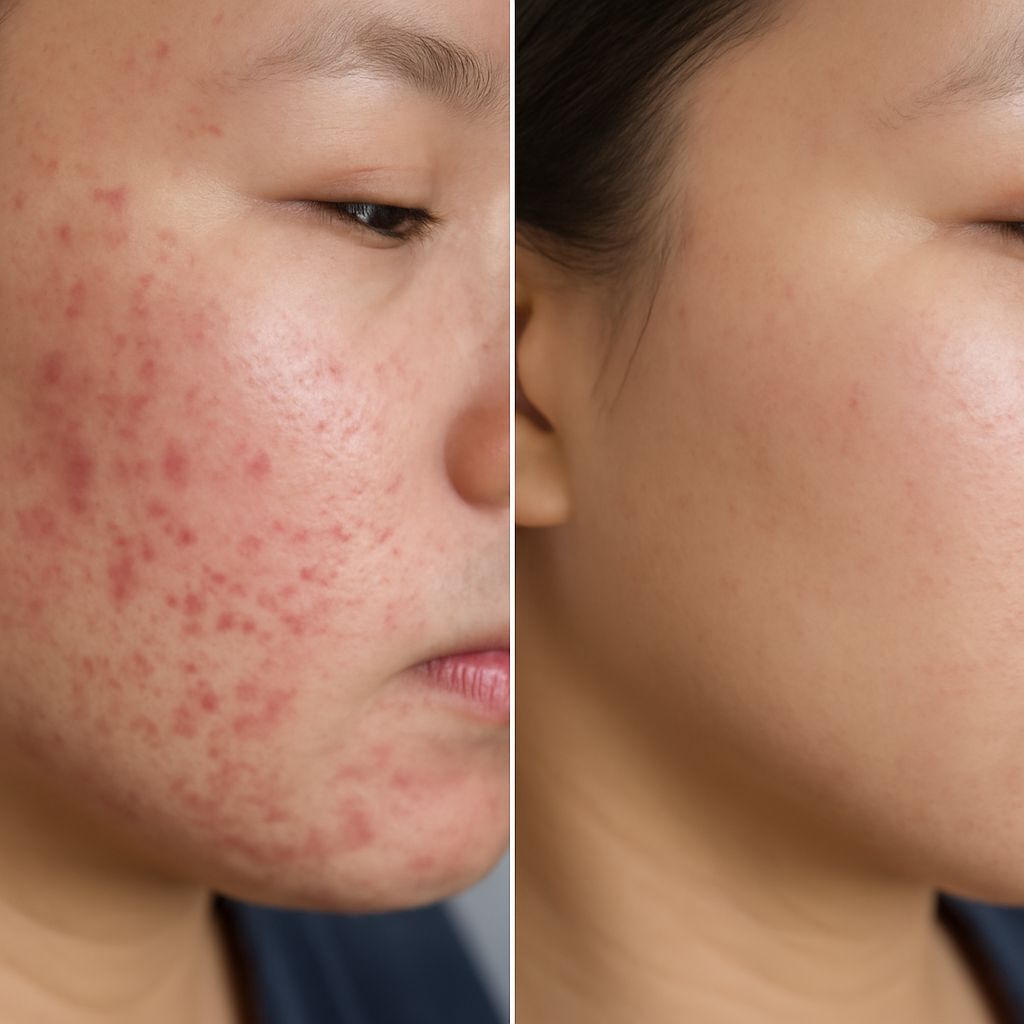
Acne scars can persist long after the blemishes have healed, leaving individuals searching for effective solutions. One promising option is microneedling, which uses tiny needles to stimulate the body’s natural healing process and enhance skin texture. This method is often praised for its ability to boost collagen production, vital for restoring the skin’s appearance. If you’re exploring treatments for acne scars, understanding the relationship between collagen and acne is crucial.
In this guide, we’ll delve into how microneedling works and why it might be the right choice for treating acne scars. We’ll also explore the role of collagen in healing, preparation tips for microneedling sessions, post-treatment care, and potential risks to consider.
What is Microneedling and How Does it Work?
The Process of Microneedling
Microneedling involves using a device fitted with fine needles to create controlled micro-injuries in the skin. This process prompts the body’s natural healing response, leading to increased production of collagen and elastin. The procedure can be done at a professional clinic or at home with specialized tools designed for personal use.
Benefits of Microneedling
The benefits of microneedling extend beyond acne scar reduction. This treatment can improve overall skin texture, reduce the appearance of fine lines, and enhance skin firmness. It is minimally invasive and can be customized to suit different skin types and concerns.
Microneedling for Acne Scars
When targeting acne scars, microneedling is particularly effective in breaking down scar tissue and promoting the formation of new, healthy skin. This leads to smoother skin and a reduction in the visibility of scars. Consistent sessions can yield significant improvements over time.
Why Choose Microneedling for Acne Scars?
Effectiveness of Microneedling
Microneedling has been shown to be effective for a variety of skin concerns, especially acne scars. The controlled injury to the skin encourages collagen production, vital for repairing and rejuvenating damaged skin. Patients often see results after a few sessions, with improvements continuing for months.
Comparing Microneedling with Other Treatments
When compared to other treatments like chemical peels or laser therapy, microneedling offers a less intense option with minimal downtime. While chemical peels can effectively remove layers of skin, they may not be suitable for all skin types. Laser treatments can be expensive and require longer recovery periods. Microneedling strikes a balance by delivering visible results with relatively low risks.
The Role of Collagen in Acne Treatment
Collagen for Acne Scars
Collagen plays a crucial role in skin health and recovery. When the body produces more collagen, it can effectively repair damaged areas, including scars. Microneedling is designed to boost collagen levels, aiding in the healing process for acne scars.
Does Collagen Help Acne?
While collagen is essential for scar repair, its role in treating active acne is less direct. Collagen can strengthen the skin’s barrier, potentially reducing future breakouts, but it is not a cure for active acne. Treatments focusing on inflammation and bacterial presence are more effective for acne itself.
Collagen and Acne: Myths and Facts
There are many myths surrounding collagen and acne. Some believe collagen can directly prevent acne, but the reality is more nuanced. Collagen supports skin structure and recovery rather than directly treating acne. Understanding this distinction is important when considering collagen-focused treatments.
How to Prepare for a Microneedling Session
Pre-Treatment Tips
Before a microneedling session, it is essential to prepare your skin properly. Discontinue use of retinoids and exfoliants a few days prior to treatment. Ensure the skin is clean and free of makeup on the day of the procedure. Discuss any concerns with your practitioner to tailor the session to your specific needs.
What to Expect During the Session
During a microneedling session, you can expect a numbing cream to be applied to minimize discomfort. The procedure typically lasts between 30 minutes to an hour, depending on the area treated. You may experience some redness and sensitivity immediately following the session, which generally resolves within a few days.
Post-Treatment Care and Recovery
Immediate Aftercare
Post-treatment care is vital for achieving the best results. Keep the skin hydrated with gentle moisturizers and avoid sun exposure. Refrain from using harsh skincare products like acids or scrubs for several days. Your practitioner may recommend specific products to enhance healing.
Long-term Results and Maintenance
Microneedling results improve over time as collagen production continues. For sustained benefits, periodic sessions may be recommended. Maintaining a healthy skincare routine and protecting the skin from UV damage are essential for long-term success.
Potential Risks and Considerations
Side Effects of Microneedling
While microneedling is generally safe, potential side effects include temporary redness, swelling, or minor bruising. These are typically mild and resolve quickly. Infection or prolonged irritation can occur if post-treatment guidelines are not followed.
Who Should Avoid Microneedling?
Individuals with active rashes, severe acne, or certain skin conditions should avoid microneedling as it may exacerbate these issues. Consult a dermatologist to determine whether microneedling is suitable for your skin type and condition.
Bottom line: Microneedling offers a promising solution for those struggling with acne scars, with the added benefit of boosting collagen production. While effective, it is important to consider potential risks and follow proper preparation and aftercare guidelines for optimal results.




Leave a Reply