
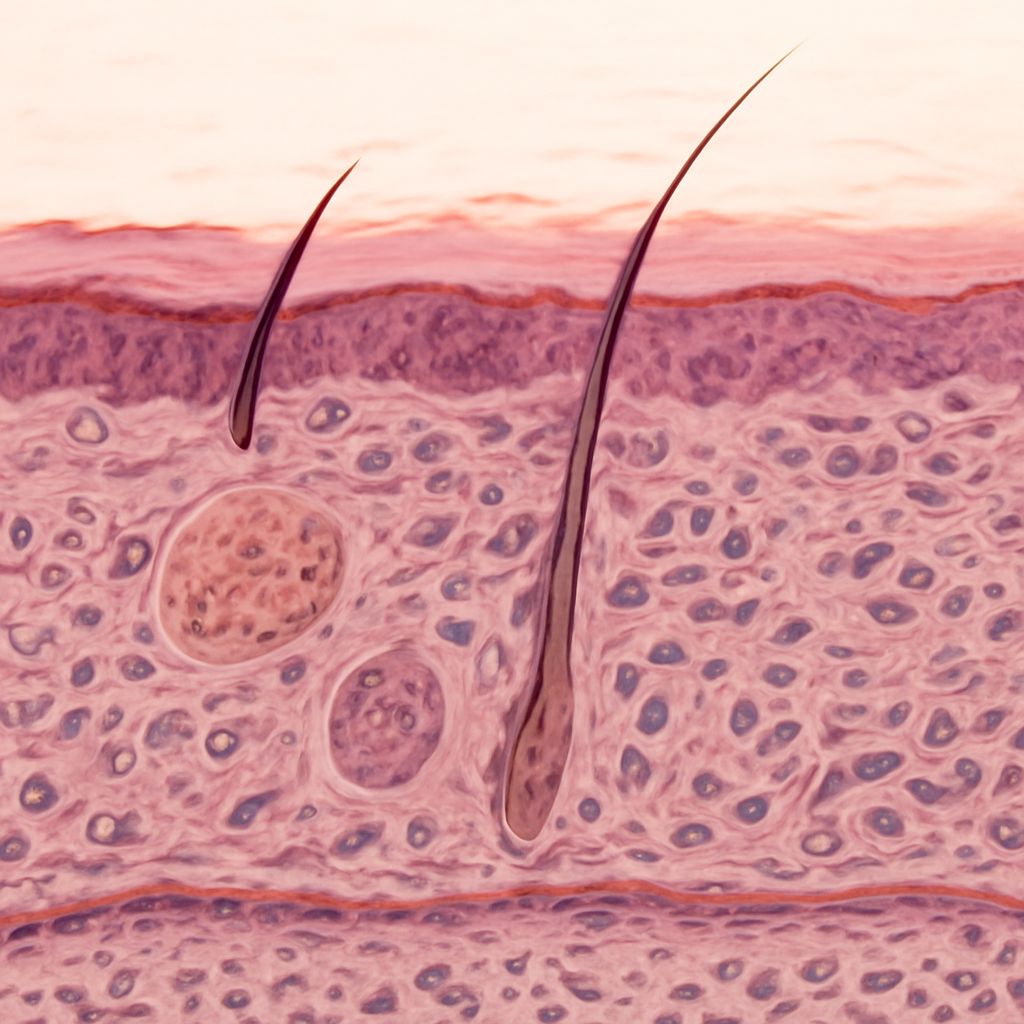
In the vast world of dermatology, understanding the layers of skin histology is crucial for medical professionals and researchers alike. The intricate details of normal skin histology reveal much about how our skin functions and how it reacts to various internal and external factors. By exploring the histology of skin, we can gain insights into its layers, the structure and functions they serve, and how they contribute to overall skin health.
This guide delves into the complexities of skin layers histology, offering a detailed examination of what constitutes the normal state of skin tissue, how to study it, and why this knowledge is vital for both clinical and research purposes.
What is Skin Histology?
Defining Skin Histology
Skin histology refers to the microscopic study of skin tissue. By examining the cellular structure and arrangement of the skin, histologists can determine how the skin functions and how it may be affected by diseases or injuries. This specialized field provides a foundational understanding of skin anatomy and its response to various stimuli.
Importance of Studying Skin Histology
The study of skin histology is essential for diagnosing skin disorders and for developing effective treatments. By understanding the normal histology of skin, healthcare providers can identify abnormal changes that may indicate disease. Furthermore, insights gained from histology are instrumental in the research and development of new dermatological therapies.
How Many Layers Are in Skin Histology?
Epidermis: The Outermost Layer
The epidermis is the outermost layer of the skin, acting as a protective barrier against environmental damage. It consists of several sub-layers, including the stratum corneum and the basal layer, each with distinct roles in skin health and regeneration.
Dermis: The Supportive Layer
Beneath the epidermis lies the dermis, a thicker layer that provides structural support and elasticity to the skin. This layer contains vital components such as collagen, elastin, and a network of blood vessels that supply nutrients and oxygen, ensuring skin vitality.
Hypodermis: The Deepest Layer
The hypodermis, also known as the subcutaneous layer, is composed mainly of fat and connective tissue. It functions as an insulator, conserving body heat and absorbing shock, while also serving as a reserve of energy.
What Constitutes Normal Skin Histology?
Characteristics of Normal Skin
Normal skin histology is characterized by a well-organized structure with clearly defined layers. Each layer maintains its integrity, allowing for efficient skin function, including protection, sensation, and temperature regulation.
Functions of Healthy Skin
Healthy skin performs several essential functions, such as acting as a barrier against pathogens, regulating body temperature, and enabling sensory perception. It also plays a crucial role in the synthesis of vitamin D and the excretion of toxins through sweat.
How to Examine the Histology of Skin?
Techniques Used in Skin Examination
There are various techniques employed to examine skin histology, including biopsies and histopathological analysis. These methods involve collecting skin samples, which are then processed and examined under a microscope to detect any abnormalities.
Applications of Skin Histology Studies
Studies of skin histology have numerous applications, ranging from the diagnosis of skin cancers to the assessment of aging effects and the testing of cosmetic products. Histological analysis is a critical tool in both clinical practice and dermatological research.
Why is Understanding Skin Layers Histology Important?
Clinical Implications
A deep understanding of skin layers histology aids in the early detection and treatment of skin conditions. By recognizing alterations in skin structure, medical professionals can offer timely interventions, improving patient outcomes.
Research and Development
The insights gained from studying skin histology are invaluable for research purposes, contributing to the development of innovative skin treatments and therapies. This understanding also supports the creation of new skincare products that promote skin health and longevity.
In summary, a comprehensive grasp of skin histology is indispensable for those in the fields of dermatology and cosmetic science. By exploring the histology of skin and understanding its layers, we can better appreciate the complexities of skin function and address any concerns that may arise effectively.
Safety recap: When examining skin histology, proper handling of sharp biopsy tools is essential to ensure safety. Additionally, individuals with sensitive skin should seek professional advice before undergoing any skin examination procedures.





Leave a Reply