
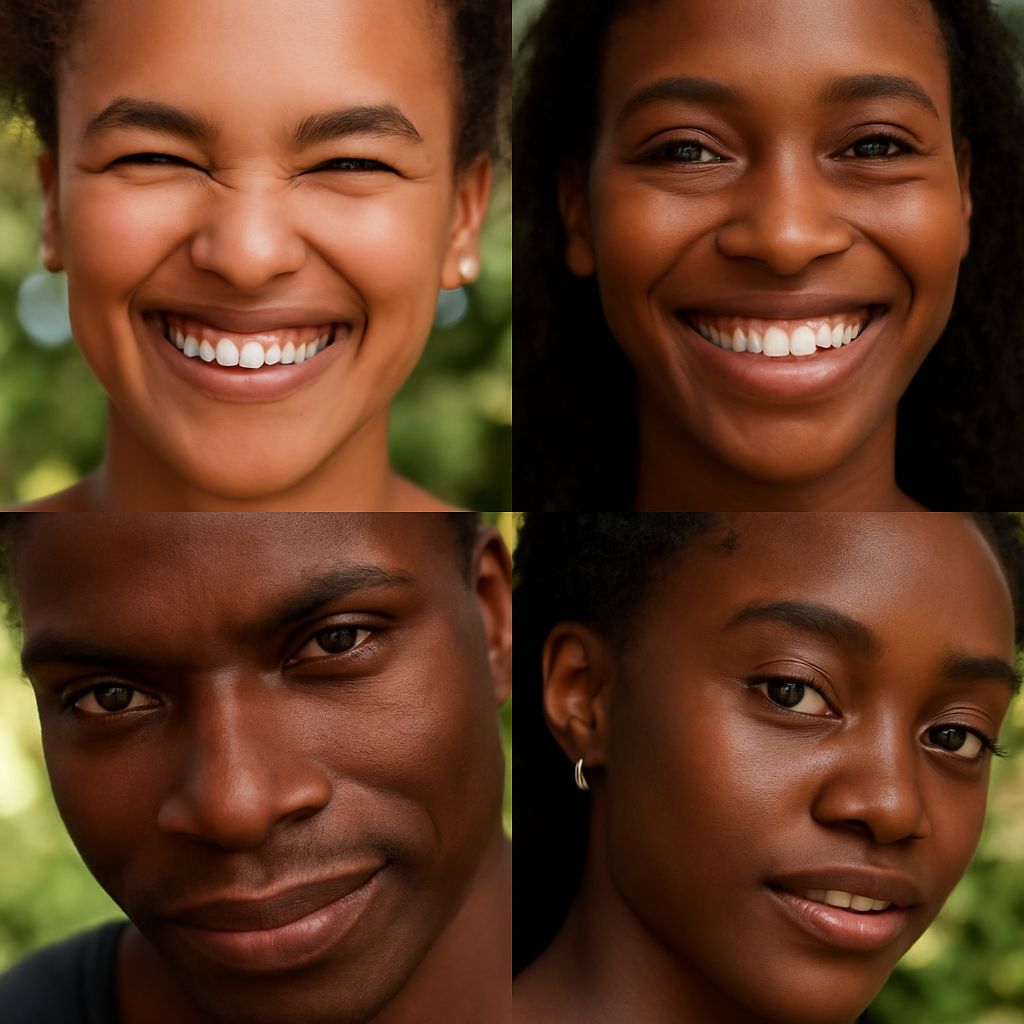
Understanding the diverse range of human skin tones and finding the right words to describe them is essential in fostering a more inclusive and appreciative society. The beauty of human diversity is often reflected in the multiplicity of skin tones, yet the language we use can sometimes be limiting or imprecise. This guide aims to provide a comprehensive overview of words for skin tones, exploring how descriptions have evolved and why they matter.
What Are Words to Describe Skin Color?
Understanding the Basics
Words to describe skin color range from simple adjectives to more nuanced terms. These words often capture the depth, undertone, and richness of an individual’s complexion. The aim is to provide a respectful and accurate description that acknowledges the person’s unique appearance.
Historical Context of Skin Descriptions
The historical context of skin descriptions reveals a complex interplay of societal norms, racial biases, and cultural influences. Traditionally, certain terms have been used to uphold stereotypes or social hierarchies. However, the modern approach emphasizes inclusivity and respect, steering away from any derogatory connotations or oversimplification.
How Many Words for Skin Tones Are There?
Categorizing Common Skin Tone Words
The spectrum of skin tones can be categorized using familiar terms such as fair, medium, olive, and dark. Each word in this category serves to convey a general idea of the skin’s appearance, assisting in creating a shared understanding of different complexions.
Exploring Unique Terms
Beyond the common descriptors, there are unique terms like porcelain, almond, caramel, and ebony, which provide a richer vocabulary for describing skin tones. These words often evoke a sensory imagery that resonates with the warmth, depth, and character of the skin, inviting a more detailed appreciation.
Why Is Describing Skin Tones Important?
Social and Cultural Significance
Describing skin tones accurately holds significant social and cultural implications. It helps in recognizing and validating the diversity that exists within and across communities. Words for skin tones allow individuals to feel seen and represented, contributing to a more inclusive dialogue.
Impact on Self-Identity
The language used to describe skin color can profoundly impact how individuals perceive themselves. Positive and accurate descriptors enhance self-esteem and foster a sense of belonging. Conversely, careless or negative language can reinforce stereotypes and perpetuate feelings of alienation.
How to Choose the Right Words to Describe Skin Tone?
Factors to Consider
When choosing words to describe skin tone, consider the context, the individual’s preference, and the cultural sensitivity of the terms. It’s crucial to respect personal identities and avoid assumptions, opting for language that aligns with how individuals describe themselves.
Common Mistakes to Avoid
Avoid using outdated or offensive terms that may perpetuate stereotypes or diminish the individual’s identity. It’s also important to steer clear of vague or overly simplistic descriptors that fail to capture the true essence of the skin tone in question.
What Are Some Examples of Skin Tone Words?
Popular Descriptive Terms
Popular terms include ivory, beige, tan, chestnut, and mahogany. Each of these words offers a distinct visual cue, aiding in accurately conveying the nuances of the skin’s appearance.
Examples from Different Cultures
Different cultures contribute a rich array of skin tone descriptors. For instance, in some Asian cultures, terms like ‘honey’ and ‘amber’ are often used, while African cultures might favor descriptors such as ‘cocoa’ or ‘sable.’ These culturally specific words highlight the diversity and depth of language used to describe skin color.
How Can Skin Tone Words Be Used in Different Contexts?
In Literature and Media
In literature and media, words to describe skin tones are instrumental in developing characters and creating vivid imagery. Authors and creators use these descriptors to enrich narratives, fostering a deeper connection with audiences through relatable and multifaceted characters.
In Beauty and Fashion
The beauty and fashion industries heavily rely on precise skin tone language to ensure products and services are inclusive and representative. From foundation shades to clothing lines, an accurate depiction of skin tones helps consumers feel acknowledged and catered to.
Safety Recap: If discussing skin sensitivity or using color care products, always perform a patch test to avoid adverse reactions. Use descriptive language that respects and honors diversity, contributing to a more inclusive and considerate environment.





Leave a Reply