
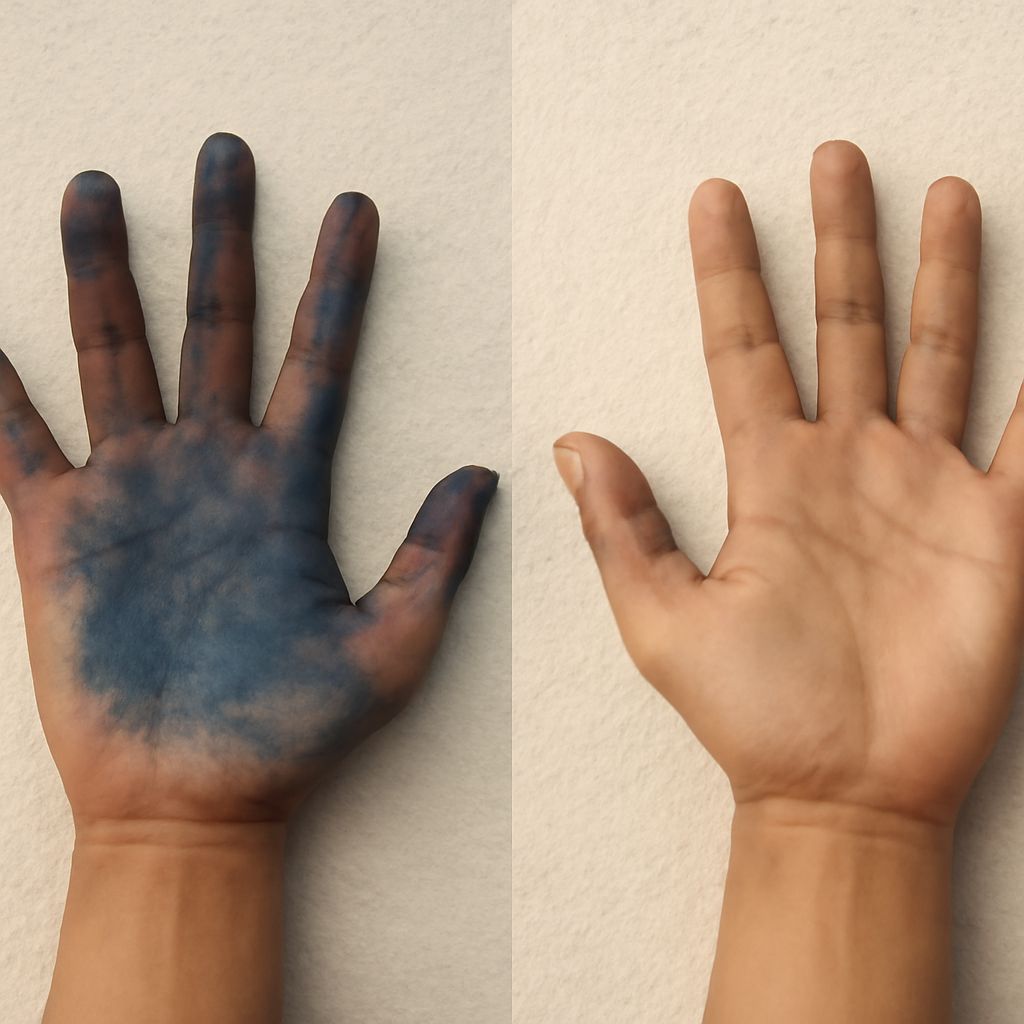
In the bustling world of DIY projects and creative endeavors, coming into contact with substances like spray paint is an all-too-common occurrence. While spray paint can add vibrant colors to your work, it can also adhere stubbornly to your skin. The good news is that there are safe and effective solutions, such as antibacterial sprays, that can help you manage this issue. Not only can these sprays assist in removing unwanted paint, but they also ensure your skin remains healthy and free from infections.
Antibacterial sprays have a broad range of applications, extending beyond simple hygiene to offering a dependable method for tackling the challenge of how to get spray paint off of skin. This article explores the benefits, methods, and precautions associated with using antibacterial sprays for skin, especially when dealing with substances like spray paint.
Understanding Antibacterial Spray for Skin
Antibacterial sprays for skin are formulated to kill or inhibit the growth of bacteria. These sprays are not only used in medical and hygiene scenarios but also serve as practical solutions in everyday situations where skin cleanliness is paramount. They typically contain active ingredients such as alcohol or other antimicrobial agents that help maintain skin health by reducing bacterial load.
Benefits of Using Antibacterial Spray
The primary benefit of using an antibacterial spray for skin is its ability to cleanse and protect. By reducing bacteria on the skin’s surface, these sprays help prevent infections and promote faster healing of minor cuts or abrasions. Moreover, when combined with other cleaning agents, they can effectively break down and remove substances like spray paint, minimizing irritation and potential damage to the skin.
How to Get Spray Paint off of Skin
To effectively get spray paint off of skin, it’s important to act quickly and choose the right products. Antibacterial sprays, when used correctly, can soften the paint and make it easier to wash away. Begin by spraying the affected area to help break down the paint’s composition, then gently rub with a soft cloth or sponge. Rinse thoroughly with water to remove any residue.
Effective Methods to Remove Spray Paint from Skin
Natural Remedies
Natural remedies can be a gentle and effective way to remove spray paint from skin. Olive oil or coconut oil can be massaged into the painted area to loosen the paint, followed by washing with warm, soapy water. Baking soda combined with a small amount of water can also be an abrasive but gentle scrub to lift paint from the skin.
Commercial Products
There are many commercial products available specifically designed to remove paint from skin. Antibacterial soaps with a gritty texture, combined with warm water, can help scrub away paint without causing irritation. Additionally, specific cleansers marketed for artists can be used safely on skin to dissolve paint effectively.
Preventive Measures for Spray Paint on Skin
Prevention is key when dealing with spray paint. Wearing protective gear such as gloves and long sleeves can minimize the amount of paint that contacts your skin. Applying a barrier cream before starting your project may also prevent paint from adhering firmly to the skin, making it easier to wash away later.
Safety Precautions When Using Antibacterial Sprays
While antibacterial sprays are generally safe, it’s crucial to follow certain precautions to avoid skin sensitivity or irritation. Always read the label for instructions and avoid using sprays on broken or sensitive skin. Perform a patch test if using a new product, and ensure proper ventilation when applying to avoid inhaling fumes. Keep sprays away from eyes and mucous membranes.
FAQs About Antibacterial Spray and Spray Paint Removal
Can antibacterial sprays remove all types of paint? Antibacterial sprays can aid in the removal of many types of paint, but their effectiveness may vary depending on the paint’s composition. For particularly stubborn or industrial-grade paints, additional methods may be necessary.
Are there risks to using antibacterial sprays? If used as directed, antibacterial sprays are generally safe. However, overuse or application on broken skin can lead to dryness or irritation. It’s always a good idea to moisturize the skin after using any form of chemical cleaning agent.
What if the spray paint doesn’t come off? If initial attempts to remove spray paint from your skin are unsuccessful, try reapplying a combination of natural and commercial methods, ensuring you allow the agents time to break down the paint. If issues persist, consulting a dermatologist may be necessary.
Bottom line: Antibacterial sprays offer a versatile and effective approach to managing spray paint on skin, providing not only a cleaning solution but also promoting skin health. By following preventive measures and safety precautions, you can keep your skin safe and clean during your creative projects.




Leave a Reply