
Dealing with a fungal skin rash can be both uncomfortable and distressing. These rashes, often caused by a variety of fungi, can appear unexpectedly and disrupt your daily life. However, understanding skin fungal infection treatment options and knowing what skin fungus looks like can significantly aid in managing and alleviating the discomfort associated with these conditions. This article explores the causes, symptoms, and treatments associated with skin fungus, helping you to take informed steps towards healthier skin.
What Causes Skin Fungus?
Fungal infections on the skin are primarily caused by yeasts and molds that thrive in warm, moist environments. Conditions like athlete’s foot, jock itch, and ringworm are all types of skin fungus infections. These fungi can invade the skin through minor cuts or abrasions, especially when the skin is sweaty and warm. Poor hygiene, sharing personal items like towels or clothing, and walking barefoot in communal areas, such as locker rooms or public showers, can increase your risk of developing a fungal skin infection.
What Does Skin Fungus Look Like?
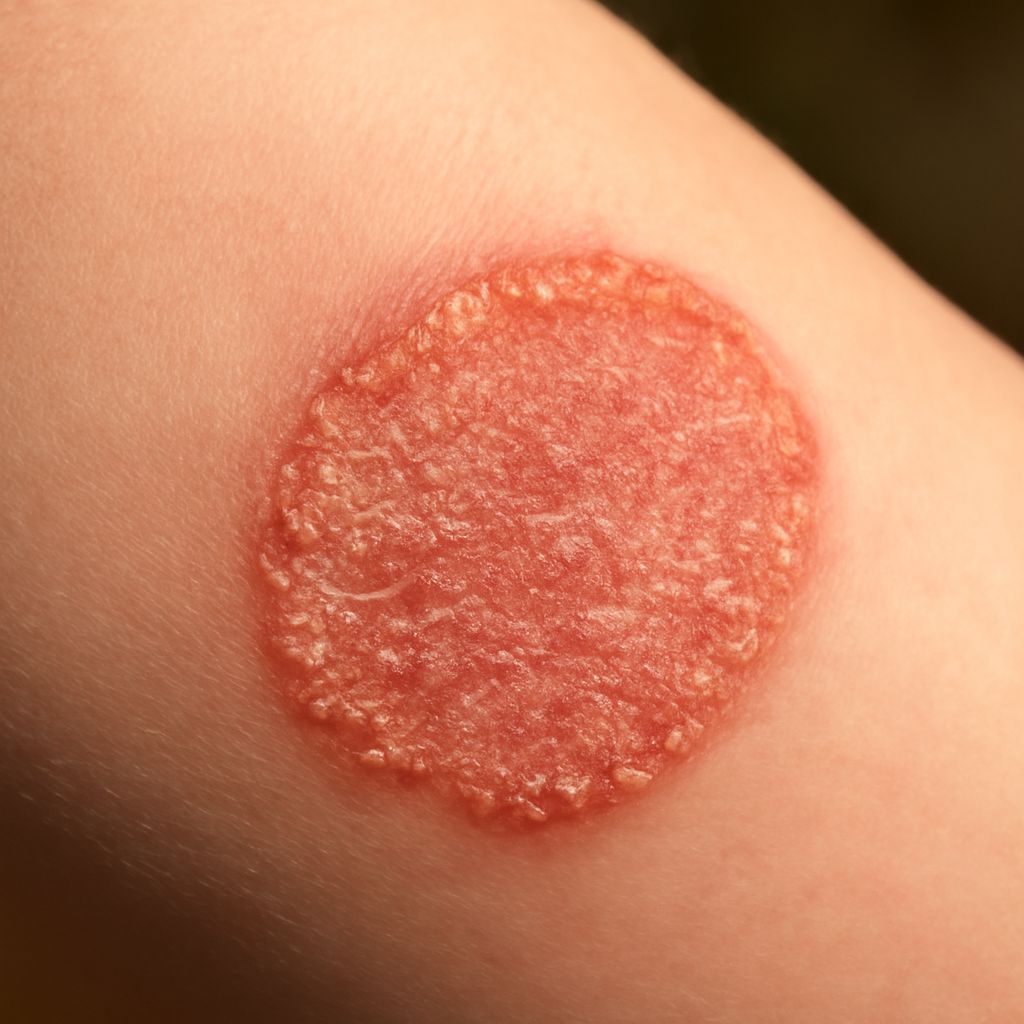
Knowing what skin fungus looks like is key to identifying an infection early. Typically, a fungal rash presents as a red, itchy, and often circular pattern, though it can vary in appearance. The skin may become scaly, cracked, or blistered. Some infections, like tinea versicolor, may cause discoloration of the skin, appearing as lighter or darker patches. Observing these signs can help distinguish fungal infections from other skin conditions, like eczema or psoriasis.
How to Identify a Fungal Skin Rash
Identifying a fungal skin rash involves closely examining the affected area and noting its characteristics. Look for red, circular patches, often with a clearer center, which is typical of ringworm. In some cases, the rash might not be circular but rather scaly and itchy. Pay attention to symptoms like intense itching, stinging, or burning, as these are common with skin fungi. If the rash persists or worsens despite home care, it is advisable to consult a healthcare professional for accurate diagnosis and treatment recommendations.
Available Skin Fungal Infection Treatments
Treatment for skin fungus often involves topical antifungal creams or ointments, which are available over-the-counter or by prescription. Common medications include clotrimazole, miconazole, and terbinafine, which are effective against most fungal infections. For more severe or persistent infections, oral antifungal medications might be necessary. In addition to medication, keeping the affected area clean and dry is crucial. Avoid scratching the rash to prevent further irritation or spreading the infection.
Prevention Tips for Skin Fungus
Preventing skin fungus involves maintaining good personal hygiene and taking proactive steps to reduce exposure to environments where fungi thrive. Here are some tips to help prevent fungal infections:
- Keep your skin dry and clean, especially in areas prone to moisture, like the feet and groin.
- Wear breathable clothing and change out of sweaty clothes promptly after exercise.
- Avoid walking barefoot in communal areas. Use flip-flops in showers and locker rooms.
- Do not share personal items such as towels, clothes, or hairbrushes.
- Use antifungal powder if you are prone to fungal infections, especially in warm and humid climates.
When to See a Doctor About Skin Fungus
While many fungal skin infections can be treated at home, there are times when medical intervention is necessary. See a doctor if:
- The rash does not improve with over-the-counter treatments.
- The infection spreads to other areas of the body.
- You experience severe pain, swelling, or have pus-filled blisters.
- You have a weakened immune system or are managing other chronic health conditions.
Consulting a healthcare professional can ensure you receive the appropriate treatment and rule out other potential skin issues.
Pro tips recap: To manage skin fungus effectively, early identification is crucial. Maintain good hygiene, utilize appropriate treatments, and take preventative measures to reduce your risk of infection. Always seek professional advice if symptoms persist or worsen. Remember, a healthy skincare routine can make a significant difference in preventing fungal infections.



Leave a Reply