

Experiencing itchy skin at night can be both frustrating and uncomfortable, often disrupting a good night’s sleep. This nocturnal annoyance can arise from various causes, ranging from environmental factors to underlying skin conditions. Understanding why your skin itches at night is the first step towards finding effective solutions.
In this article, we will explore the common causes of nighttime itching and provide practical solutions to help ease your discomfort. By addressing issues such as environmental influences, stress, and skin conditions, you’ll be better equipped to manage this persistent problem. Let’s delve into the reasons behind this pesky nighttime itch and discover how to alleviate it.
What Causes My Skin to Itch at Night?
Nighttime itching, medically known as nocturnal pruritus, can be attributed to several factors. One primary cause is the natural circadian rhythm of the body, which can alter skin temperature and blood flow at night, intensifying sensations of itchiness. Additionally, the absence of daytime distractions might make you more aware of the itch.
Certain skin conditions, such as eczema and psoriasis, tend to worsen at night. These conditions can trigger increased inflammation and dryness, leading to more intense itching. Furthermore, the fabric of your bedding or pajamas may irritate your skin, contributing to the problem.
How Do Environmental Factors Affect Nighttime Itching?
Environmental factors play a significant role in exacerbating nighttime itching. Dry air, especially in heated or air-conditioned rooms, can strip the skin of its natural moisture, leading to dryness and itchiness. Using a humidifier in your bedroom can help maintain an optimal humidity level, keeping your skin hydrated.
Allergens such as dust mites, pet dander, and mold in the bedroom can also provoke allergic reactions, causing your skin to itch at night. Regular cleaning and using allergen-proof bedding can reduce exposure to these irritants.
Can Stress Contribute to Skin Itching at Night?
Stress is another factor that can contribute to itchy skin at night. The connection between the mind and skin is well-documented, with stress exacerbating symptoms of various skin conditions. Stress can trigger the release of histamines, chemicals that cause itching.
Incorporating relaxation techniques, such as meditation or deep-breathing exercises, into your nightly routine can help reduce stress levels and, consequently, skin itching. Ensuring adequate rest and managing stress during the day can positively impact your skin’s condition at night.
What Skin Conditions Lead to Itching at Night?
Several skin conditions are known to cause increased itching during the night. Eczema, characterized by red, inflamed patches, often becomes itchier due to nocturnal dryness. Psoriasis, with its scaling and inflammation, can also worsen at night.
Other conditions, such as urticaria (hives), are known for causing intense, itchy welts on the skin, often more noticeable at night. Fungal infections like athlete’s foot can also itch more when the feet are warm under blankets.
How Can I Alleviate Itchy Skin at Night?
There are several strategies to alleviate itchy skin during the night. Moisturizing regularly with emollients can help maintain skin hydration, reducing dryness and itchiness. Consider applying a fragrance-free, thick moisturizer before bedtime.
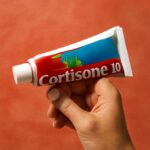
Anti-itch creams or ointments containing ingredients like hydrocortisone or calamine can provide temporary relief from itching. Over-the-counter oral antihistamines may also help by reducing the histamine response that leads to itchiness.
Ensuring your bedroom is a comfortable environment with the right humidity and clean, allergen-free bedding can also make a significant difference in managing nighttime itching.
When Should I Seek Medical Advice for Nighttime Itching?
While occasional itching at night is common, persistent or severe cases warrant medical attention. If your skin itching is accompanied by other symptoms, such as swelling, severe rash, or an infection, it’s vital to consult a healthcare professional.
A dermatologist can help identify any underlying skin conditions and recommend appropriate treatments tailored to your specific needs. Early intervention can prevent complications and improve your quality of sleep.
Safety Recap: When using tools or products to manage skin conditions, ensure they are appropriate for your skin type and condition. Test new products on a small area first to avoid adverse reactions. Prioritize safety to maintain healthy skin.




Leave a Reply