
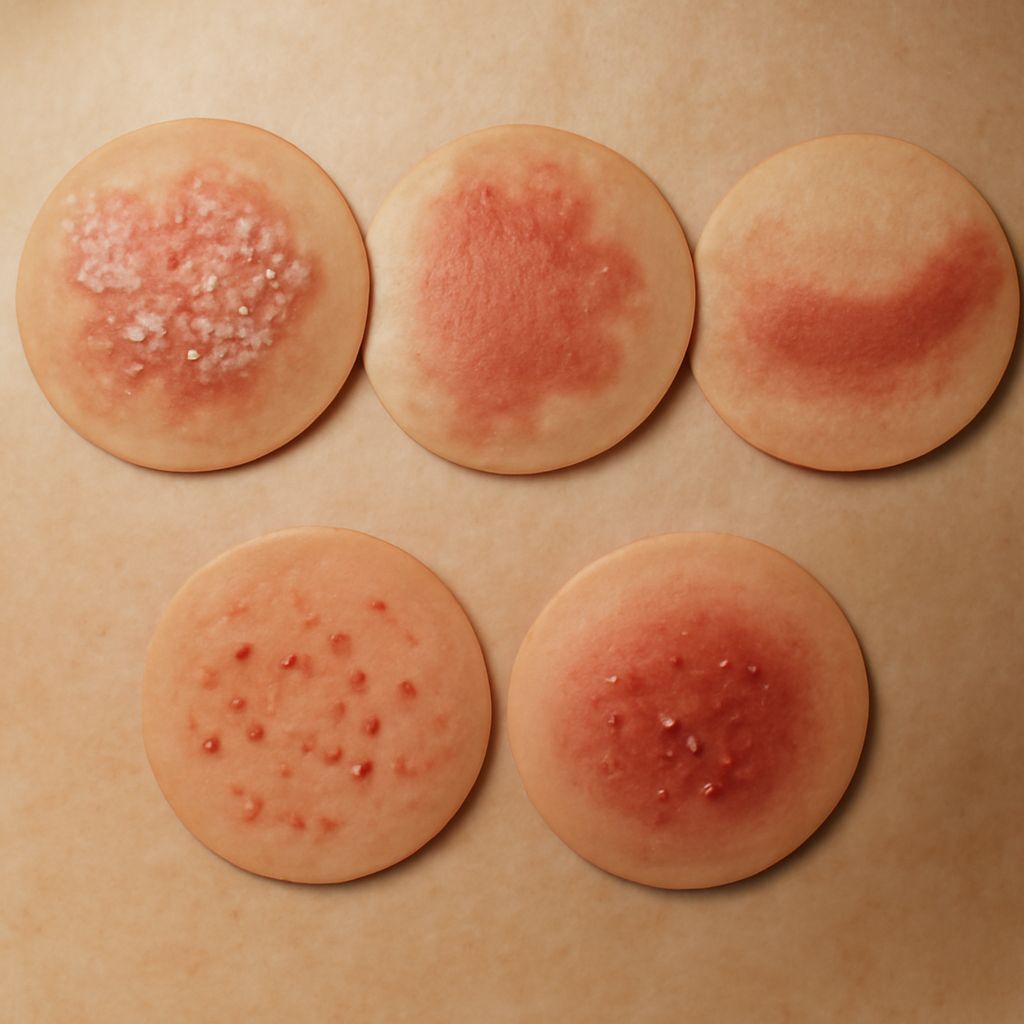
Dealing with red scaly patches on the skin can be both distressing and uncomfortable. These patches often indicate an underlying skin condition that requires attention. Understanding the causes and treatments for scaly skin patches is essential to both manage and prevent them effectively. Identifying the exact cause of these patches might seem daunting, but with the right knowledge, effective solutions are within reach.
Red scaly patches can appear for various reasons, ranging from common conditions like eczema to more persistent issues such as psoriasis. The good news is that most of these conditions can be managed with proper care and treatment. By recognizing the symptoms and understanding the available treatments, you can regain control over your skin’s health.
What Causes Scaly Skin Patches?
Scaly skin patches occur when the skin becomes dry and flaky. This can be due to multiple factors, including environmental influences, genetic predispositions, and skin disorders. Environmental elements, such as cold weather, can strip the skin of its natural moisture, leading to dryness and scaling. Additionally, exposure to harsh chemicals or frequent washing can exacerbate the dryness.
Genetics also play a crucial role, as certain individuals may be more predisposed to conditions that result in scaly patches. Skin diseases such as psoriasis, atopic dermatitis, and seborrheic dermatitis are frequently associated with this symptom. These disorders disrupt the skin’s natural barrier function, resulting in an accumulation of dead skin cells and the appearance of scales.
How to Identify Red Scaly Patches on Skin
Identifying red scaly patches involves observing the texture, color, and location of the affected areas. These patches often appear as raised, red, or pinkish areas with a flaky or rough surface. Common sites include the elbows, knees, scalp, and face, but they can appear anywhere on the body.
The texture may vary from slight dryness to thick, crusty plaques, and the patches can be itchy or painful. It’s crucial to pay attention to any accompanying symptoms, such as swelling or oozing, which might indicate a more severe condition requiring medical attention.
What Are Common Conditions Leading to Scaly Patches?
Several skin conditions commonly cause scaly patches. Eczema, or atopic dermatitis, is a chronic condition that leads to red, itchy, and scaly skin. Psoriasis is another prevalent disorder characterized by thickened, silvery scales and red patches, often appearing on the scalp, elbows, and knees.
Seborrheic dermatitis affects areas rich in oil glands, such as the scalp and face, causing red, scaly patches with a greasy appearance. Fungal infections like ringworm can also lead to circular, red scaly areas. Recognizing these conditions is essential for effective management and treatment.
How Can You Treat Scaly Skin Patches?
Over-the-Counter Treatments
Many scaly skin conditions can be managed with over-the-counter products. Moisturizers containing ingredients such as urea, lactic acid, or hyaluronic acid help restore hydration and reduce flakiness. Topical corticosteroids can reduce inflammation and itching but should be used under guidance to avoid side effects.
Home Remedies
Home remedies can complement traditional treatments. Regularly applying coconut oil or aloe vera can soothe and hydrate the skin. Oatmeal baths are another effective way to calm itching and irritation. However, it’s crucial to test any home remedy on a small skin area first to ensure no adverse reactions occur.
When Should You See a Doctor for Red Scaly Patches?
While many scaly skin patches can be managed at home, there are instances where professional medical advice is necessary. If patches become increasingly painful, widespread, or resistant to over-the-counter treatments, consulting a dermatologist is advisable. Additionally, signs of infection, such as redness, warmth, or pus, require immediate medical attention.
Early diagnosis and intervention can prevent complications and improve treatment outcomes. A healthcare professional can provide a tailored treatment plan based on the specific condition and severity.
How to Prevent Scaly Skin Patches
Prevention strategies focus on maintaining skin hydration and avoiding triggers. Regularly moisturizing is vital, especially after bathing or washing hands, to lock in moisture. Using mild, fragrance-free soaps and detergents can prevent irritation and dryness.
Avoiding known allergens or irritants and managing stress levels are crucial for those prone to eczema or psoriasis. Wearing protective clothing and applying sunscreen can also shield the skin from harsh environmental elements.
Pro tips recap: Maintain consistent skin hydration, recognize and avoid triggers, and seek professional advice if necessary. With the right approach, managing scaly skin patches becomes much more manageable, leading to healthier skin and improved quality of life.
Safety note: Always patch-test new treatments or home remedies to avoid adverse reactions, and consult a healthcare provider if uncertain about a treatment’s suitability for your skin condition.





Leave a Reply