
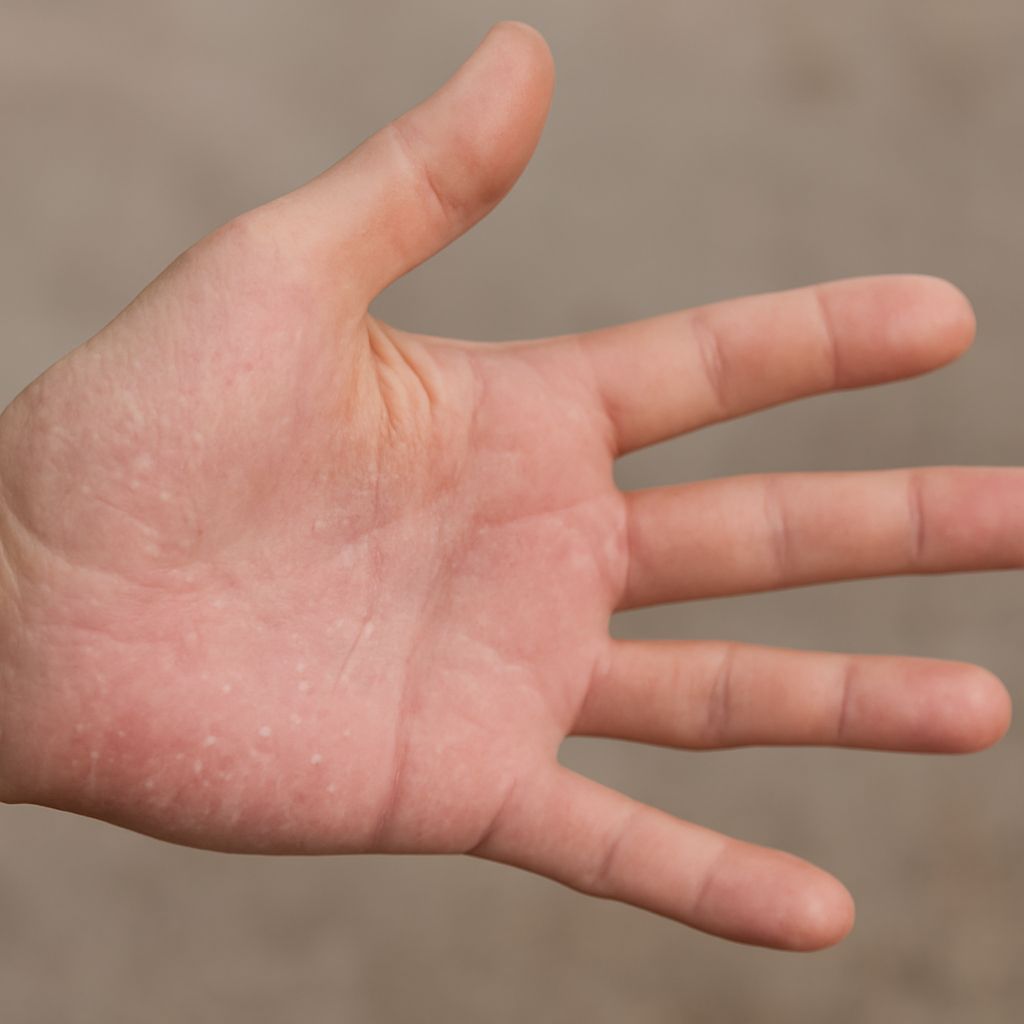
Thin skin, often referred to as friable skin, can lead to discomfort and increased vulnerability to injuries. Understanding what causes thin skin, particularly on the hands, is crucial for managing this condition effectively. Fortunately, there are solutions available to strengthen and protect delicate skin, ensuring that it remains resilient against everyday wear and tear.
In this article, we will explore the factors that contribute to thin skin, with a focus on aging, genetics, and lifestyle choices. We will also discuss practical steps to protect the skin on your hands, helping you maintain healthy skin for years to come.
What Is Thin Skin and How Does It Develop?
Thin skin is characterized by a decrease in skin thickness, making it more fragile and susceptible to damage. This condition often results from the breakdown of collagen and elastin, which are essential proteins responsible for the skin’s strength and elasticity. Over time, the outer layer of the skin, known as the epidermis, becomes thinner, while the underlying layer, the dermis, loses its supportive structure.
As the skin becomes thinner, it loses its ability to retain moisture and protect against external factors, leading to increased vulnerability. Thin skin can develop naturally with age or as a result of external influences that accelerate the degradation of skin components.
What Are the Main Causes of Thin Skin?
The causes of thin skin are multifaceted, involving both internal and external factors. One significant contributor is prolonged exposure to ultraviolet (UV) radiation, which damages collagen and accelerates skin aging. Additionally, the use of certain medications, such as corticosteroids, can weaken the skin over time.
Environmental factors, including pollution and harsh weather conditions, also play a role in thinning the skin by causing oxidative stress and depleting essential nutrients. Finally, some medical conditions, like eczema or psoriasis, can contribute to thinner skin due to chronic inflammation and repeated irritation.
How Does Aging Impact Skin Thickness?
Aging is a natural process that significantly impacts skin thickness. As we age, the body’s production of collagen and elastin decreases, leading to a loss of skin firmness and elasticity. The subcutaneous fat layer, which provides cushioning and support, also diminishes with age, resulting in a more fragile skin structure.
Additionally, aging affects the skin’s ability to repair itself, making it more susceptible to damage from minor injuries and bruises. These changes are most pronounced in areas exposed to the sun, such as the hands and face, where the signs of aging become more visible.
What Role Does Genetics Play in Friable Skin?
Genetics can significantly influence the thickness and resilience of your skin. Some individuals are genetically predisposed to having thinner skin, which can manifest at an earlier age or be more severe. Genetic factors may affect the production of collagen and elastin, impacting the skin’s overall structure and ability to withstand damage.
While you cannot change your genetic makeup, understanding your susceptibility can help you take proactive measures to protect and care for your skin effectively.
How Can Lifestyle Choices Affect Skin Health?
Your lifestyle choices have a profound impact on skin health and can contribute to the development of thin skin. Smoking, for example, reduces blood flow to the skin and depletes essential nutrients, weakening the skin’s structure. A diet lacking in vitamins and antioxidants can also impair the skin’s ability to repair and regenerate itself.
Regular use of moisturizing products and wearing protective clothing can help mitigate the effects of environmental stressors. Additionally, maintaining a balanced diet rich in vitamins A, C, and E, along with staying hydrated, supports healthy skin regeneration.
What Are Effective Ways to Protect Thin Skin on Hands?
Protecting the skin on your hands is essential, especially if it is prone to thinning. Here are some effective strategies to help maintain strong and resilient skin:
- Use Moisturizers: Regularly apply a good-quality moisturizer to keep the skin hydrated and supple. Look for products containing hyaluronic acid and glycerin, which help retain moisture.
- Wear Gloves: Protect your hands from harsh chemicals and extreme temperatures by wearing gloves during cleaning or outdoor activities.
- Gentle Cleansing: Use mild, fragrance-free soap to avoid irritating the skin. Pat your hands dry instead of rubbing them with a towel.
- Sun Protection: Apply a broad-spectrum sunscreen with at least SPF 30 to protect against UV damage, which can exacerbate skin thinning.
These practices, combined with a mindful approach to skin care, can significantly improve the health of your hands, even if they are prone to becoming thin and delicate.
Safety Recap: When caring for thin skin, be cautious with sharp objects and rough surfaces to prevent injuries. Always test new products on a small area to ensure there is no adverse reaction, as sensitive skin may respond differently to certain ingredients.




Leave a Reply