
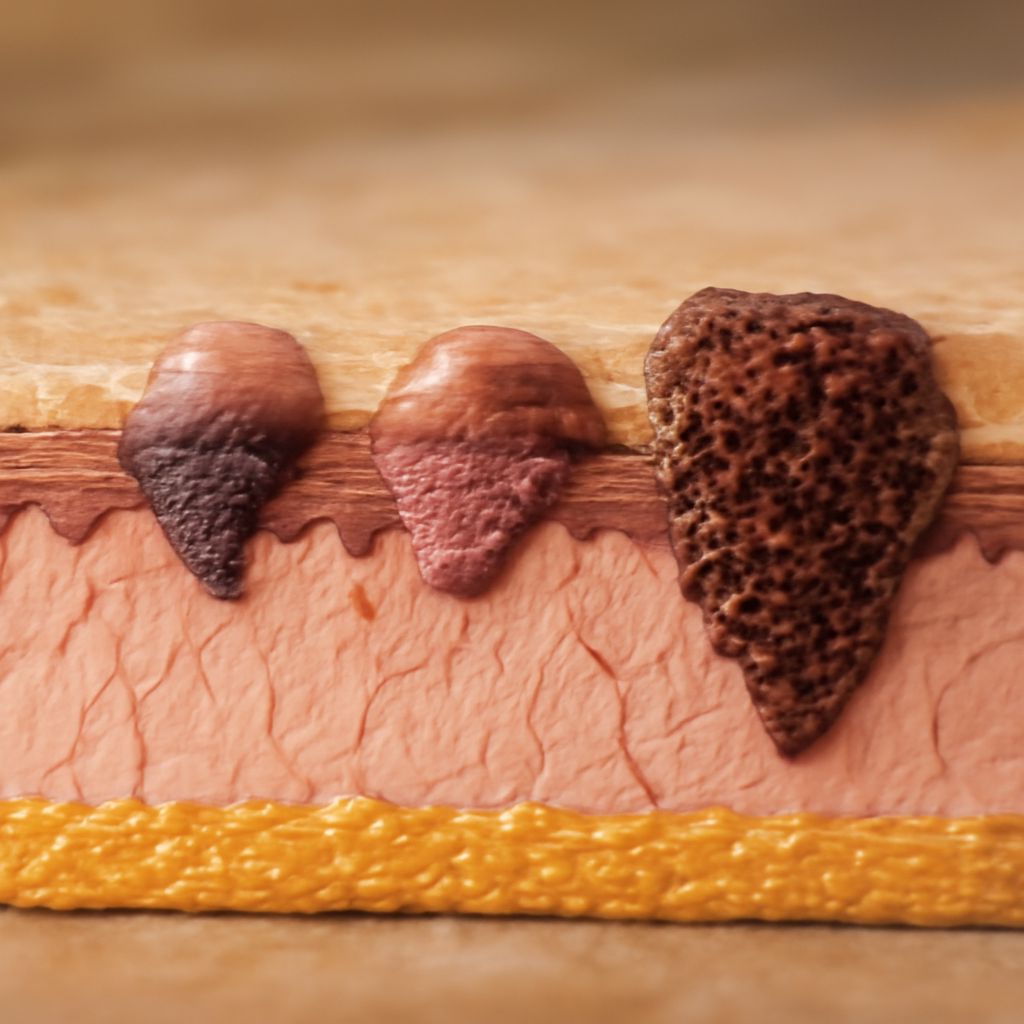
Skin cancer is a growing concern worldwide, with basal and squamous cell carcinomas representing the most prevalent types. These forms of cancer, though generally less aggressive than melanoma, can lead to significant health issues if not addressed promptly. Understanding the differences among the three types of skin cancer and how they manifest is crucial for effective prevention and treatment. By recognizing the signs and risk factors, individuals can take proactive steps to protect their skin and health.
In this article, we will delve into the various types of skin cancer, focusing on why basal and squamous cell carcinomas are the most common. We will explore the risk factors, diagnostic methods, treatment options, and prevention strategies to provide a comprehensive guide for skin health. Armed with this knowledge, you can take informed actions to safeguard against these prevalent skin cancers.
What Are the Three Types of Skin Cancer?
The three primary types of skin cancer are basal cell carcinoma, squamous cell carcinoma, and melanoma. Basal cell carcinoma arises from the basal cells located in the epidermis, while squamous cell carcinoma originates from the squamous cells. Melanoma, although less common, is more aggressive and originates from the melanocytes, the cells responsible for pigment.
Basal and squamous cell cancers are the most common and are typically linked to prolonged sun exposure. On the other hand, melanoma can occur anywhere on the body, including areas not usually exposed to sunlight.
Why Are Basal and Squamous Cell Carcinomas the Most Common Forms?
Basal and squamous cell carcinomas are the most common forms of skin cancer primarily due to their association with UV light exposure. These cancers often develop on sun-exposed areas of the skin, such as the face, ears, neck, and hands. The cumulative effect of UV radiation over time damages the DNA in skin cells, leading to mutations and eventual cancer development.
These carcinomas are more common in individuals with fair skin, light hair, and light eyes, as their skin offers less natural protection against UV rays. The prevalence of these skin cancers underscores the importance of protection and early detection.
What Are the Risk Factors for Basal and Squamous Cell Skin Cancer?
Several risk factors increase the likelihood of developing basal and squamous cell skin cancers. Key factors include:
- Excessive Sun Exposure: Prolonged exposure to UV radiation from the sun or tanning beds significantly raises risk.
- Fair Skin: Individuals with lighter skin are more susceptible due to lower levels of melanin.
- Age: The risk increases with age, as skin damage accumulates over time.
- Personal or Family History: A history of skin cancer heightens the risk of recurrence.
- Weakened Immune System: Immunocompromised individuals are at higher risk.
Awareness of these factors can guide preventive measures and encourage regular skin examinations.
How Are Basal and Squamous Cell Skin Cancers Diagnosed?
Diagnosing basal and squamous cell skin cancers typically involves a skin examination followed by a biopsy. During the exam, a dermatologist will look for abnormal growths or changes in the skin. A biopsy involves removing a small piece of tissue from the suspicious area for analysis under a microscope.
Early detection is crucial for successful treatment. If diagnosed early, these skin cancers can often be removed with minimal intervention. Regular skin checks can help detect changes early when they are most treatable.
What Treatments Are Available for These Types of Skin Cancer?
Treatment options for basal and squamous cell skin cancers vary depending on the cancer type, size, and location. Common treatments include:
- Surgical Removal: Excision of the cancerous tissue is a common and effective method.
- Cryotherapy: Freezing the cancer cells with liquid nitrogen to destroy them.
- Topical Treatments: Creams or ointments containing cancer-fighting agents.
- Radiation Therapy: Used when surgery is not an option or for cancers that are hard to remove.
- Photodynamic Therapy: Combines light and a photosensitizing agent to destroy cancer cells.
Your healthcare provider can recommend the most suitable treatment based on specific needs and cancer characteristics.
How Can You Prevent Basal and Squamous Cell Skin Cancer?
Prevention strategies are vital in reducing the risk of developing basal and squamous cell cancers. Key preventive measures include:
- Use Sunscreen: Apply a broad-spectrum sunscreen with an SPF of at least 30 daily, even on cloudy days.
- Seek Shade: Reduce direct sun exposure, especially between 10 a.m. and 4 p.m.
- Wear Protective Clothing: Hats, sunglasses, and long-sleeved shirts can shield skin from UV rays.
- Avoid Tanning Beds: UV radiation from tanning beds is harmful and increases cancer risk.
- Regular Skin Checks: Conduct monthly self-exams and annual dermatologist visits for professional screenings.
Preventive measures are simple yet effective in lowering the chances of skin cancer development.
Pro tips recap: Understanding the types of skin cancer, particularly basal and squamous cell carcinomas, empowers individuals to take proactive measures. Protect your skin from UV exposure, stay vigilant with skin checks, and seek medical advice for any suspicious changes. Early detection and prevention are key to maintaining healthy, cancer-free skin.
Safety note: Always consult a healthcare professional for skin changes or concerns. Use caution with sharp tools for skin checks, and be mindful of skin sensitivity when applying treatments.

Leave a Reply