
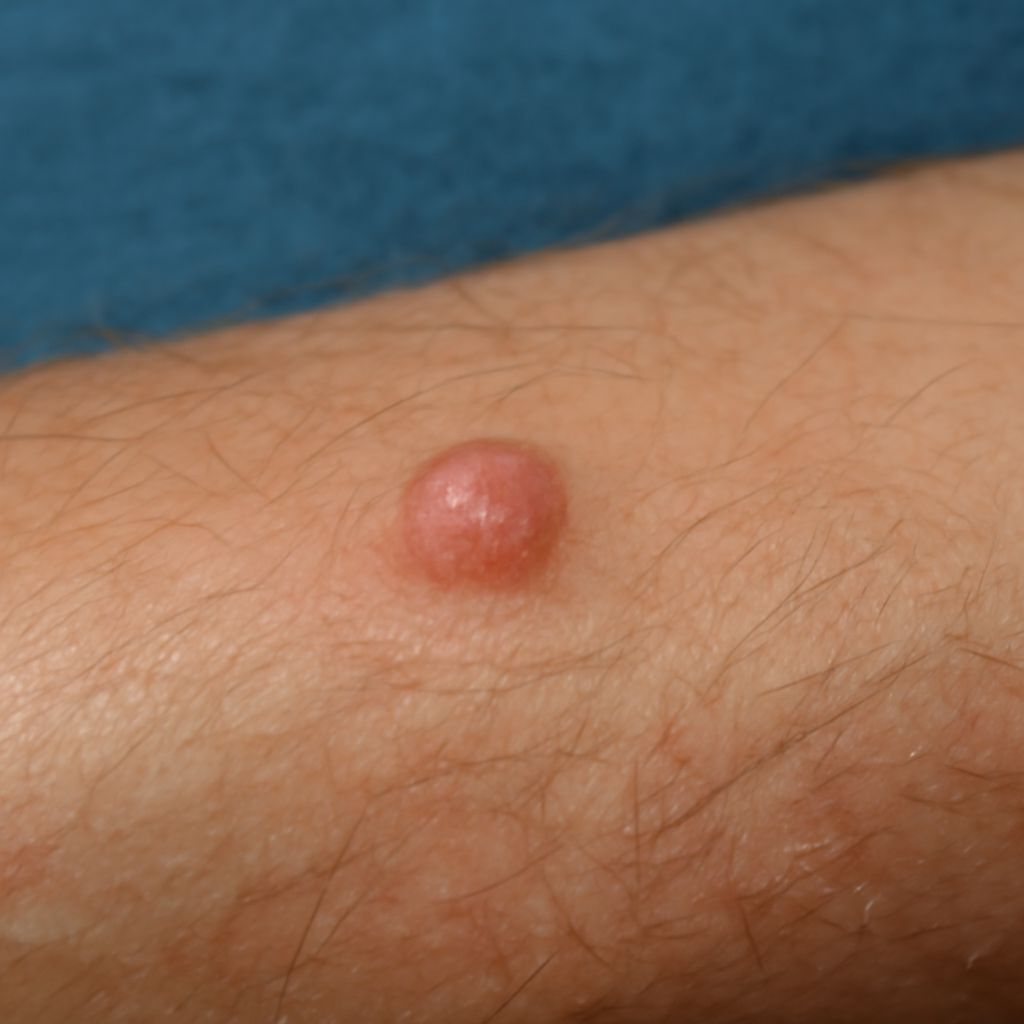
Discovering a blood bubble on your skin can be both alarming and confusing. These blood blisters, also known as blood pockets under the skin, often appear unexpectedly and might cause concern. Understanding the causes, symptoms, and appropriate treatment for blood trapped under your skin is essential for effective management and peace of mind.
Fortunately, most blood blisters are harmless and can be treated at home. By recognizing their causes and manifestations, you can better manage and prevent these minor yet disruptive skin conditions. This article explores the origins, symptoms, and best practices for dealing with and preventing blood bubbles on skin.
What Causes Blood Bubbles on Skin?
Blood bubbles, or blood blisters, typically occur due to sudden trauma to the skin. This can be the result of pinching, compressing, or applying friction to the skin’s surface, which leads to damage to tiny blood vessels. As a response, blood pools under the skin, forming a blister-like appearance.
Other potential causes include allergic reactions, viral infections, and certain medical conditions like thrombocytopenia. In some cases, blood trapped under the skin might result from intense pressure or repetitive actions, such as those seen in certain sports or manual labor.
How Do Blood Blisters on Skin Form?
When the skin experiences trauma, blood vessels beneath the surface can rupture. The blood then leaks into the surrounding tissue, creating a small pocket of blood. This pocket, encased in a thin layer of skin, forms a blister. Unlike ordinary blisters filled with clear fluid, these contain blood, giving them a distinctive dark red or purple appearance.
The skin covering the blister acts as a natural bandage, protecting the sensitive tissue underneath as it heals. However, if the outer layer breaks, the risk of infection increases, necessitating careful handling and hygiene.
What Are the Symptoms of Blood Pockets Under Skin?
The primary symptom of blood pockets under the skin is the presence of a raised, often painful, bubble on the skin’s surface. These blisters can vary in size and may be accompanied by tenderness, swelling, or even a burning sensation.
In some cases, the area around the blood blister might exhibit redness or feel warm to the touch. Although blood blisters are usually self-limiting, significant pain, persistent swelling, or discharged fluid could indicate an underlying issue needing medical attention.
How to Treat Blood Trapped Under Skin
Home Remedies
Most blood bubbles can be managed with simple home remedies. Begin by cleaning the area gently with soap and water to prevent infection. Apply a cold compress to reduce swelling and alleviate discomfort. Keeping the blister protected with a sterile bandage can prevent accidental rupturing.
Avoid popping or puncturing the blister, as this increases infection risk. If the blister breaks on its own, clean the area thoroughly and apply an antibiotic ointment before covering it with a clean bandage.
Medical Treatments
For persistent or particularly large blood blisters, medical intervention might be necessary. A healthcare professional may drain the blister using sterilized equipment if it’s causing significant discomfort. Additionally, if there’s a suspected underlying condition, further testing may be required.
Antibiotics could be prescribed if there are signs of infection. Always consult a healthcare provider if you’re uncertain about the cause or severity of the blister.
When to See a Doctor for Blood Blisters
While most blood blisters are benign, there are situations where medical advice is crucial. If a blood blister shows signs of infection, such as pus, increased redness, or persistent pain, seek professional help. Additionally, if you experience frequent unexplained blisters, it might indicate a more serious underlying condition that requires medical evaluation.
Early intervention can prevent complications and ensure that any potentially serious issues are addressed promptly.
Preventing Blood Bubbles on Skin
Prevention is always better than cure. To minimize the risk of developing blood blisters, wear protective gear during activities that put pressure on the skin. Reducing friction by wearing well-fitting shoes and clothing can also help prevent these issues.
Maintain good skin health by keeping it moisturized and avoiding harsh chemicals that may weaken it. For individuals engaging in repetitive activities, using protective padding or gloves can mitigate the risk of trauma.
Next Steps
Understanding the nature of blood bubbles on the skin can empower you to manage and prevent them effectively. Regularly inspect your skin for signs of trauma and take proactive steps to protect it. If you’re uncertain about a skin condition or experience frequent issues, consulting a dermatologist can provide clarity and ensure your skin stays healthy.
Safety Note: If using sharp tools for any home remedy (e.g., sterile needles for draining), always prioritize cleanliness to prevent infection. If you’re unsure or uncomfortable, consult a healthcare professional.
Leave a Reply