
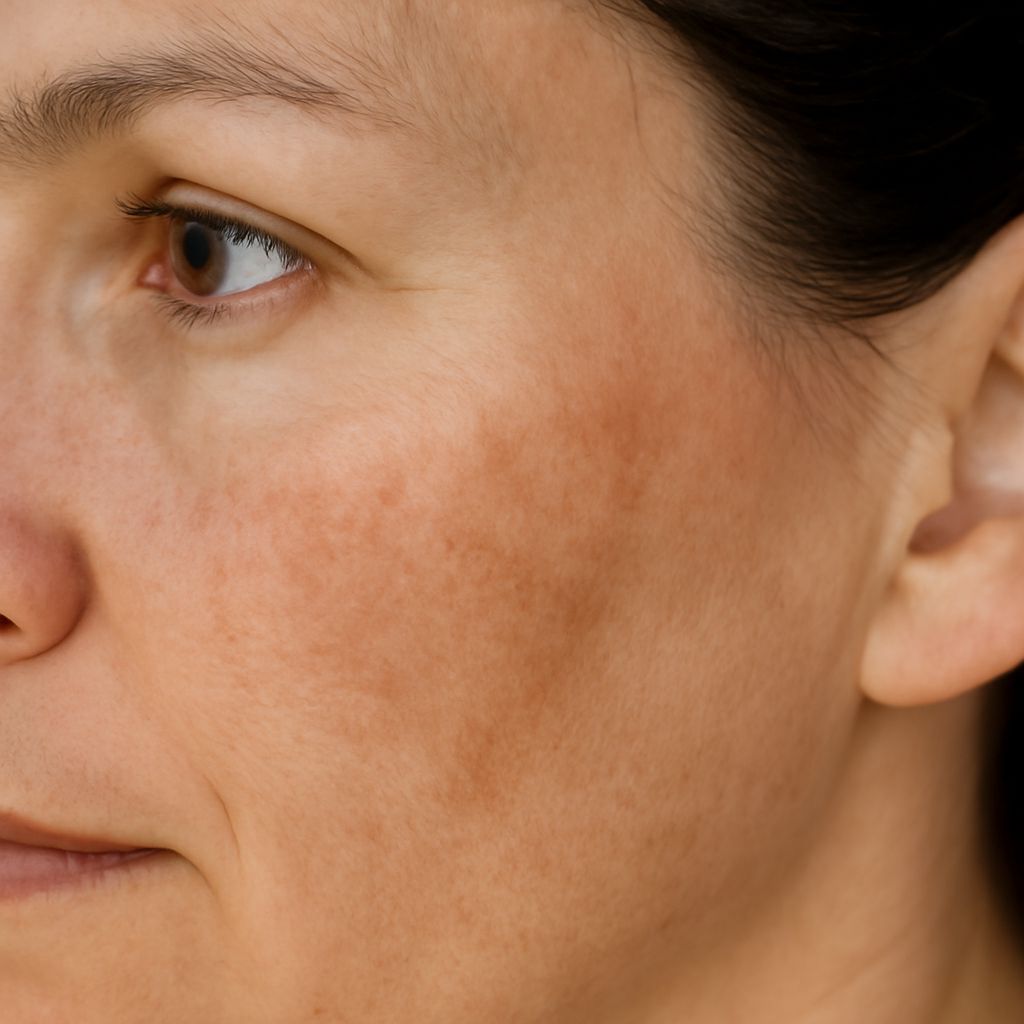
Skin pigmentation disorders can be a source of stress and concern for many individuals. Changes in skin color can occur due to various reasons, leading to uneven tones or dark patches that affect one’s appearance. However, understanding the causes and treatments for these pigment skin issues can guide you toward healthier and more even-toned skin.
Pigment skin issues are not uncommon and can affect anyone, regardless of age or ethnicity. From hyperpigmentation to vitiligo, identifying and understanding the types of skin pigmentation disorders is the first step toward finding an effective solution.
What Are Skin Pigmentation Disorders?
Skin pigmentation disorders refer to conditions that affect the color of your skin. These disorders occur when the body produces too much or too little melanin, the pigment responsible for skin color. Melanin production can be influenced by factors such as genetics, sun exposure, or hormonal changes, leading to various pigmentation issues.
Common Types of Pigment Skin Issues
There are several types of pigment skin issues, each with unique characteristics:
- Hyperpigmentation: This condition is characterized by dark patches on the skin, often caused by excessive sun exposure, inflammation, or injury.
- Hypopigmentation: This occurs when patches of skin become lighter than the surrounding areas due to reduced melanin production.
- Vitiligo: An autoimmune disorder where the immune system attacks melanocytes, leading to white patches on the skin.
- Melasma: Often appearing as brown or gray patches, melasma is commonly triggered by hormonal changes and sun exposure.
What Causes Skin Pigmentation Disorders?
The causes of skin pigmentation disorders are varied and can include genetic factors, hormonal fluctuations, environmental influences, and certain medications. For instance, prolonged exposure to ultraviolet (UV) rays can increase melanin production, leading to hyperpigmentation. Hormonal changes during pregnancy or due to oral contraceptives can trigger melasma. Additionally, skin injuries or inflammation can result in post-inflammatory hyperpigmentation or hypopigmentation.
How Are Skin Pigmentation Disorders Diagnosed?
A proper diagnosis is essential to determine the type and cause of any pigmentation disorder. Dermatologists typically begin with a physical examination, reviewing the patient’s medical history and any recent changes in their skin. In some cases, a biopsy or dermatoscopy may be required to examine the skin more closely. Accurate diagnosis ensures that the appropriate treatment plan is selected.
Treatment Options for Pigment Skin Conditions
Treating pigment skin conditions involves a combination of topical and procedural treatments. The choice of treatment depends on the type and severity of the condition.
Topical Treatments
- Hydroquinone: This is a popular depigmenting agent used to lighten dark patches.
- Retinoids: These are vitamin A derivatives that can promote cell turnover and reduce pigmentation.
- Vitamin C: Known for its brightening effects, topical vitamin C can help reduce pigmentation over time.
Procedural Treatments
- Chemical Peels: These involve applying a chemical solution to the skin that exfoliates the top layers, reducing pigmentation.
- Laser Therapy: Lasers can target and break down excess melanin in the skin, helping to even out skin tone.
- Microdermabrasion: This procedure uses a device to exfoliate the skin, improving texture and tone.
It’s crucial to consult with a dermatologist to choose a treatment that suits your skin type and condition. Note that some treatments may cause skin sensitivity, so following post-treatment care instructions is essential.
Lifestyle Tips for Managing Pigmentation
Incorporating certain lifestyle practices can help manage and prevent pigmentation issues:
- Sun Protection: Always apply a broad-spectrum sunscreen with SPF 30 or higher to protect against UV rays.
- Healthy Diet: Consume a diet rich in antioxidants, which can support skin health and reduce oxidative stress.
- Gentle Skincare: Use mild, skin-friendly products to avoid irritation and inflammation.
- Regular Monitoring: Keep an eye on changes in your skin and consult a dermatologist if new pigmentation issues arise.
Next Steps
Taking proactive steps to address and manage skin pigmentation disorders is crucial for maintaining healthy skin. Regular dermatological consultations and adhering to recommended skincare routines can make a significant difference. By educating yourself about your specific condition and following appropriate treatment plans, you can achieve a more even and radiant complexion. Always prioritize safety and seek professional advice when considering treatments, especially if they involve sharp tools or potent chemicals.





Leave a Reply