
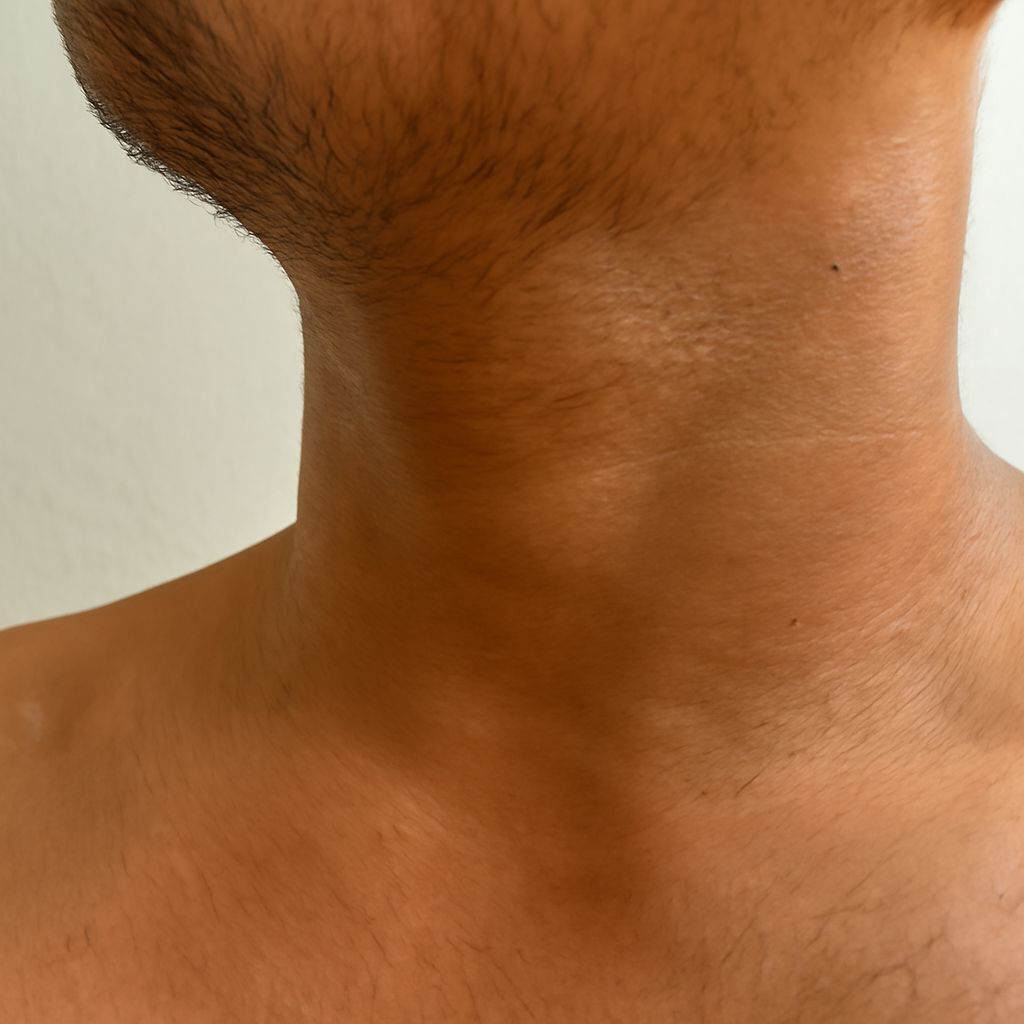
Dark skin on the neck and rough skin texture can be concerning for many individuals. These conditions may arise due to various factors, including lifestyle choices, skin conditions, or health issues. Understanding the causes of dark skin on the neck is crucial to finding effective treatments and remedies. In this article, we explore the underlying causes, treatment options, and preventive measures to achieve healthier skin.
What Causes Dark Skin on the Neck?
The appearance of dark skin on the neck can result from several causes. One common factor is a condition called acanthosis nigricans, characterized by darker, thicker patches of skin. This condition is often linked to insulin resistance, obesity, or hormonal changes and may require medical attention.
Sun exposure is another significant cause, as the neck is frequently exposed to UV rays, which can lead to hyperpigmentation. Lack of proper sun protection accelerates this process, causing the skin to darken over time. Additionally, poor hygiene practices can lead to the accumulation of dead skin cells and dirt, contributing to a darker neck appearance.
How Can Rough Skin on the Neck Be Treated?
Addressing rough skin on the neck involves both medical treatments and lifestyle changes. Over-the-counter exfoliating products, such as those containing alpha hydroxy acids (AHAs) or beta hydroxy acids (BHAs), can help to remove dead skin cells and smooth the skin’s texture. These products should be used with caution, as over-exfoliating can lead to irritation.
Topical creams with ingredients like retinoids or hydroquinone may be prescribed by dermatologists to lighten dark patches and improve skin texture. These treatments should be used under professional guidance, as they can cause sensitivity.
Moisturizing regularly with a hydrating lotion or cream is essential to prevent dryness and maintain smooth skin. Look for products containing ingredients like hyaluronic acid or glycerin to lock in moisture.
Are There Home Remedies for Dark Skin on the Neck?
Several home remedies may assist in treating dark skin on the neck. Lemon juice, known for its natural bleaching properties, can be applied to the affected area to help lighten dark patches. However, it’s important to use sunscreen afterward, as lemon juice can make the skin sensitive to sunlight.
Aloe vera is another soothing option that can help moisturize the skin, while also providing a lightening effect over time. Apply a small amount of aloe vera gel to the neck and leave it on for 20 minutes before washing off.
Some individuals find that using a mixture of yogurt and turmeric can help brighten the skin due to the natural enzymes in yogurt and the anti-inflammatory properties of turmeric. Apply this mixture to the neck and rinse after 15 minutes.
When to See a Dermatologist?
If dark or rough skin on the neck persists despite home treatments, or if you notice changes in texture or growth, it is essential to consult a dermatologist. A professional can diagnose underlying conditions that may require specialized treatments. Persistent issues might be indicative of more serious health concerns, such as diabetes or hormonal imbalances.
How to Prevent Dark and Rough Skin on the Neck?
Prevention is key when it comes to maintaining a smooth and even-toned neck. Regularly applying a broad-spectrum sunscreen with at least SPF 30 can protect against sun-induced darkening. Reapplication every two hours, especially after sweating or swimming, is crucial.
Maintaining a regular skincare routine that includes gentle cleansing and moisturizing helps prevent build-up and keeps the skin hydrated. Opt for products that suit your skin type to prevent irritation and ensure effective results.
A healthy lifestyle, including a balanced diet and regular exercise, can also support skin health. Foods rich in antioxidants, like fruits and vegetables, promote skin regeneration, while staying hydrated helps maintain skin elasticity and glow.
What Skincare Products Help with Neck Skin Issues?
Choosing the right skincare products can make a significant difference in managing neck skin concerns. Products containing vitamin C are known for their brightening effects and can help reduce pigmentation. It’s also beneficial to incorporate antioxidants into your routine, such as serums with niacinamide, to enhance the skin’s barrier function and reduce discoloration.
Cleansers that contain mild exfoliants or enzymes can be useful in removing dead skin cells without causing irritation. Opt for sulfate-free formulas to avoid drying out the skin.
For those dealing with persistent roughness or darkening, consulting with a dermatologist for personalized product recommendations is advisable. Customized treatments may offer more targeted and effective solutions.
Bottom line: Understanding the various causes and treatments for dark skin on the neck can lead to effective management and prevention. Adopting a consistent skincare routine and healthy habits supports overall skin health. If concerns persist, seek professional advice to explore further options.





Leave a Reply