
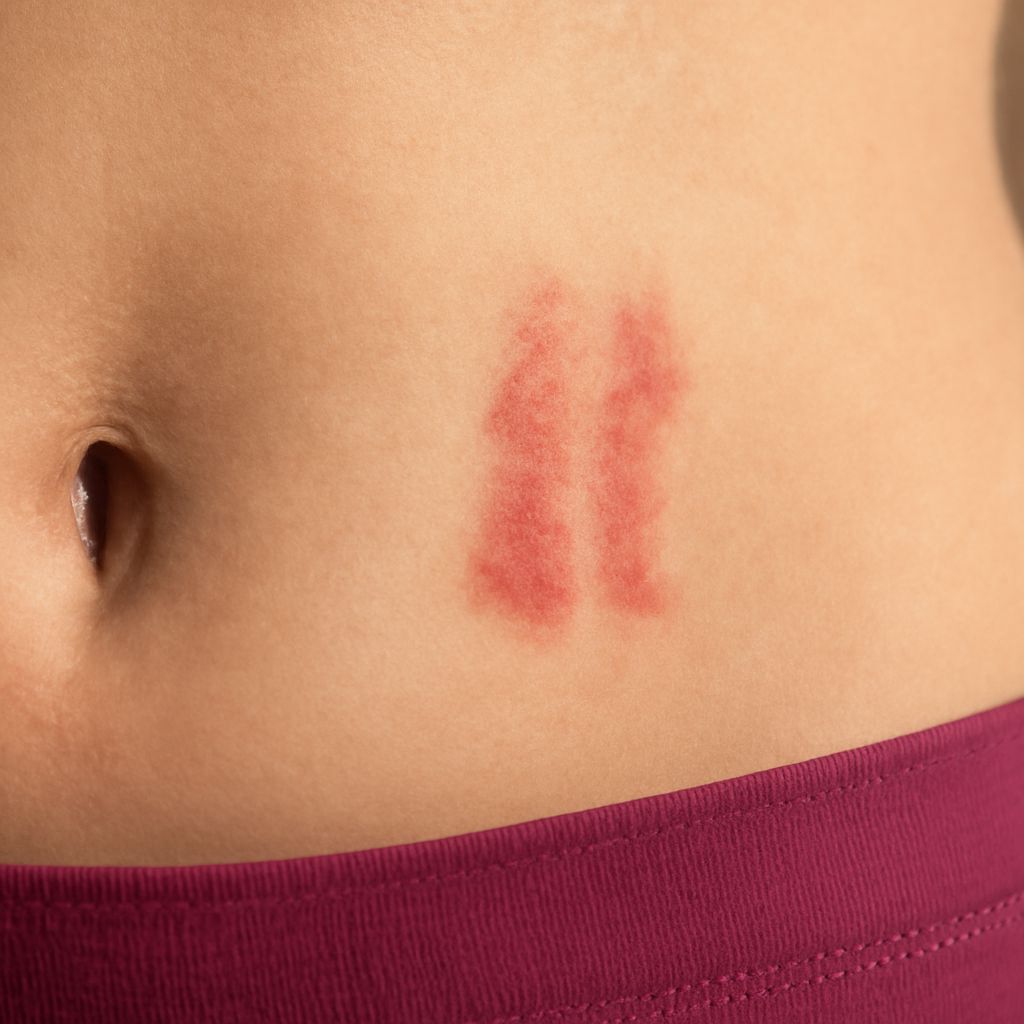
Few skin sensations are as disruptive as persistent prickly skin or the sudden onset of tingling and itchy skin all over your body. These uncomfortable feelings can strike at any age, sometimes without a clear reason, and may leave you searching for relief or worrying about their cause. Whether the symptoms appear as a fleeting episode or a recurring problem, understanding what sparks these sensations is an important first step toward comfort and healthy skin.
For many people, the experience of prickly skin is more than just a minor annoyance—it can signal a range of underlying issues, from minor irritations to complex health conditions. While occasional itching or tingling might not be cause for alarm, frequent or widespread symptoms deserve a closer look. This article explores the sensations of prickly skin, examines why tingling and itchy skin all over your body may arise, and provides expert-backed advice on managing and preventing these distressing skin issues.
What Is Prickly Skin and How Does It Feel?
Prickly skin is a term used to describe a sharp, tingling, or stinging sensation on the surface of the body. Often likened to the feeling of tiny needles or pins pressing against the skin, this discomfort can vary in intensity and duration. Some people experience it as a mild annoyance, while others report more severe episodes that interfere with daily activities or sleep.
The sensation of prickling is sometimes accompanied by additional symptoms, such as burning, numbness, or a crawling feeling known medically as paresthesia. When the entire body is affected by itching and tingling, it can be especially troubling, making it hard to resist scratching or rubbing the skin raw. These symptoms may appear with or without visible changes like redness, bumps, or rashes, which can make diagnosis challenging.
It is important to distinguish temporary sensations from those that persist longer or become a pattern. Prickly feelings can be triggered by simple things like overheating, sweating, or dry air, but they can also originate from more complex sources such as nerve irritation or allergic reactions. Recognizing how prickly sensations manifest in your own body is the first step toward finding the most effective treatments and relief strategies.
Why Do I Experience Tingling and Itchy Skin All Over My Body?
The sensation of tingling and itchy skin all over your body can arise from a number of factors. In many cases, it is the body’s response to a physical or chemical trigger, such as exposure to irritants, changes in temperature, or fluctuations in humidity. Sometimes, the nerves responsible for sensation become hyperactive, sending mixed signals to the brain that are interpreted as prickling or itching.
Widespread tingling and itching may also be linked to underlying health concerns, including allergic reactions, skin disorders, or systemic illnesses. For example, conditions like eczema or psoriasis can cause the entire skin surface to become hypersensitive and itchy. In other cases, neurological disorders or imbalances in the body’s minerals and vitamins can contribute to ongoing skin discomfort.
Additionally, psychological stress is known to heighten skin sensitivity, causing or worsening prickly and itchy skin sensations. Anxiety, lack of sleep, and emotional distress sometimes manifest physically as itching or tingling throughout the body. If you find that your symptoms worsen during times of stress, emotional factors could be playing a significant role in your skin’s behavior.
What Are the Common Causes of Prickly Skin?
A variety of underlying causes can lead to prickly or tingling sensations across the skin. One of the most common culprits is dry skin, which often results from cold weather, hot showers, or insufficient moisturization. When the skin’s natural barrier weakens, nerve endings become more exposed, heightening sensations of itching and tingling.
Environmental factors can also play a significant role. Extended sun exposure, sweating during exercise, or contact with harsh soaps and detergents may all provoke prickly skin. Allergic reactions to ingredients found in personal care products, laundry detergents, or even fabrics can cause the skin to react with widespread itching and prickling.
Beyond these everyday irritants, medical conditions like hives (urticaria), nerve disorders, diabetes, or thyroid problems can present with generalized tingling and itchy skin. In rarer cases, prickly sensations may be a side effect of medications or a sign of systemic disease, such as liver or kidney dysfunction. If you are unsure what is causing your symptoms, seeking medical advice can help clarify the root cause.
How Can I Identify the Triggers for Tingling and Itchy Skin?
Pinpointing what triggers your prickly or itchy episodes involves careful observation and sometimes a bit of detective work. Start by noting when your symptoms flare up—are they more common after certain activities, meals, or environmental exposures? Keeping a symptom diary can help you connect patterns between your lifestyle and your skin’s reactions.
Pay close attention to new products or routines. Have you recently switched shampoos, laundry detergents, or started wearing new clothing materials? Allergens and irritants are frequently hidden in everyday items, and even subtle changes can lead to a bout of tingling or itchiness.
Skin testing by a dermatologist or allergist can provide further insight, especially if your symptoms persist or are severe. Blood tests may also be recommended to rule out systemic causes such as deficiencies, metabolic issues, or autoimmune conditions. Ultimately, identifying your unique triggers empowers you to make informed changes and reduce future discomfort.
When Should I Be Concerned About My Skin Sensations?
While isolated episodes of tingling and itchiness are often harmless, there are certain situations where professional evaluation is necessary. If you notice your prickly feelings are spreading, worsening, or accompanied by other symptoms—such as swelling, hives, difficulty breathing, or fever—seek medical attention immediately, as these could signal a serious allergic reaction or infection.
Persistent or unexplained tingling and itchy skin all over your body should also be evaluated, especially if there is no obvious trigger or if it disrupts your sleep and quality of life. Symptoms lasting more than two weeks, or those accompanied by numbness, weakness, significant pain, or visible skin changes, are particularly concerning.
Don’t hesitate to consult a healthcare professional if you have underlying health conditions, are taking new medications, or if your skin seems to be reacting unpredictably. Prompt attention to new or severe symptoms is the safest approach to prevent complications and to identify any hidden medical issues.
Safety note: If using sharp tools for skin care, such as exfoliators or razors, proceed with caution. Excessive or aggressive treatment can worsen irritation and lead to skin injury, especially in those with sensitive skin.
What Treatments and Home Remedies Can Relieve Prickly Skin?
Relieving prickly or tingling sensations depends on both the underlying cause and the extent of your discomfort. For many, simple lifestyle changes make a big difference: keeping your skin well-moisturized with fragrance-free lotions, taking shorter showers with lukewarm water, and wearing loose, breathable clothing often help reduce irritation.
Topical treatments such as calamine lotion, colloidal oatmeal baths, or over-the-counter hydrocortisone creams may ease itching. If allergies or hives are to blame, oral antihistamines are sometimes recommended, but consult your pharmacist or physician before use. For those with chronic dry skin, using a humidifier during winter months can help maintain skin hydration and comfort.
If stress is a major trigger, relaxation techniques—like mindfulness, gentle yoga, or breathing exercises—can support both your mental and skin health. Avoiding scratching is crucial; persistent scratching can damage the skin barrier, increase inflammation, and introduce infection. In rare cases where symptoms persist, prescription treatments or specialist referrals may be necessary.
How Can I Prevent Tingling and Itchy Skin in the Future?
Prevention starts with maintaining consistent, gentle skin care. Use mild, hypoallergenic soaps and moisturizers, and avoid overwashing or using very hot water. Applying moisturizer immediately after bathing helps lock in moisture and protect the skin’s barrier, while choosing soft, natural fibers for clothing minimizes friction and irritation.
Stay hydrated, manage stress levels, and be proactive about known allergies or sensitivities. Regularly assess your environment for potential irritants, including household cleaners and personal care products. If you exercise frequently, shower promptly afterward to remove sweat and prevent clogged pores that may cause itching.
For those with chronic skin conditions or a history of allergies, regular check-ins with a dermatologist can help you stay ahead of flare-ups and monitor for new issues. By adopting these preventive habits, you can greatly reduce your risk of experiencing disruptive tingling or itchy skin sensations in the future.
Bottom line: Prickly skin and widespread itching can stem from a variety of causes, ranging from everyday irritants to more serious health conditions. Paying attention to your symptoms, practicing gentle self-care, and knowing when to seek professional advice are essential for finding relief and protecting your skin’s long-term health.





Leave a Reply