
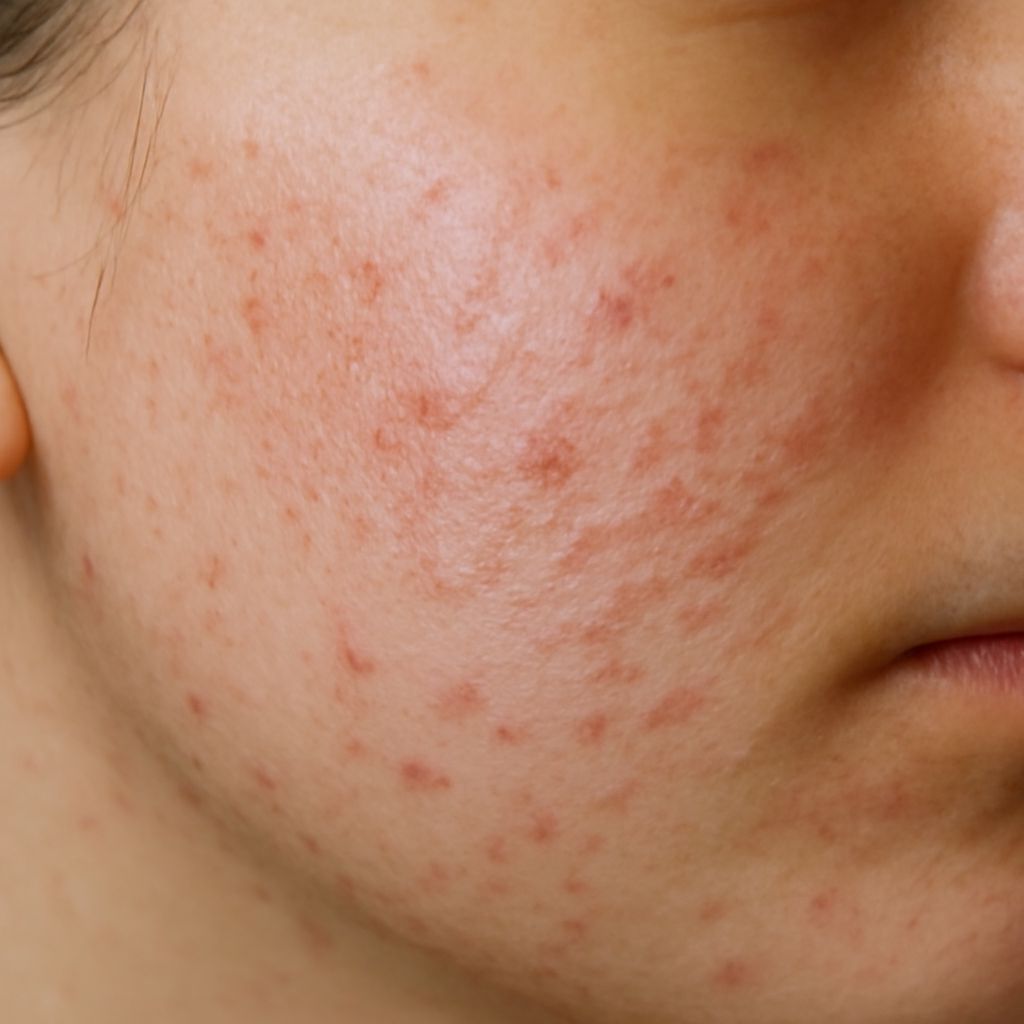
Skin issues can range from everyday irritations to complex medical challenges, affecting people at every stage of life. Whether you’re dealing with bothersome rashes, persistent acne, or something more unusual, understanding the extensive list of skin conditions is essential for taking control of your well-being. The list of skin diseases is diverse, encompassing both common afflictions and rare disorders—each with distinct symptoms, causes, and treatments that impact skin health in unique ways.
Knowing the types and features of various skin conditions empowers individuals to recognize changes early, seek proper care, and avoid complications. In this article, we’ll unpack the spectrum of skin diseases and rashes, clarify differences between skin conditions and skin diseases, and offer practical guidance on diagnosis, management, and when to consult a medical professional.
What does the list of skin conditions include?
The comprehensive list of skin conditions covers a wide variety of concerns, from temporary irritations to chronic diseases. This includes everything from mild allergic reactions and contact dermatitis to persistent disorders like eczema, psoriasis, and rosacea. Some conditions involve inflammation, while others are caused by infections, genetic factors, or environmental triggers. The list expands further to include pigmentary changes like vitiligo, as well as growths such as warts, skin tags, and moles, which may be benign or require closer monitoring.
Beyond the more familiar problems, the catalog of cutaneous disorders also addresses fungal infections, bacterial invasions, and viral eruptions—think athlete’s foot, impetigo, or herpes simplex. Each type of skin abnormality manifests differently: some show as red, itchy, or scaly patches, while others might present as blisters, ulcers, or painless lumps. This diversity means careful observation of symptoms is crucial for distinguishing among the many types on the list of skin diseases.
Additionally, the category is not limited to diseases affecting just the surface. Some skin conditions reflect underlying systemic issues, such as lupus or diabetes-related dermopathy, making the skin an important indicator of overall health. The full list encompasses both common and rare presentations, requiring a broad understanding for proper recognition and care.
How do skin conditions differ from skin diseases?
While the terms “skin conditions” and “skin diseases” are often used interchangeably, there are subtle but important differences between them. ‘Skin condition’ is a broad term that includes any abnormality or change in the skin’s appearance or texture. It can refer to temporary issues like dryness, sunburn, or minor irritations. Meanwhile, ‘skin disease’ usually describes a medical diagnosis involving pathological changes—conditions that persist, cause functional problems, or result from infections, immune dysfunction, or genetic mutations.
For example, acne and eczema are classified as diseases due to their chronic nature and underlying mechanisms, whereas dry skin from winter air or a mild heat rash are considered conditions since they are usually self-limiting and less severe. Recognizing this distinction helps inform whether basic self-care will suffice or if professional evaluation is necessary. Not every skin condition progresses to a disease, but untreated issues such as chronic dermatitis can develop into more serious concerns.
Understanding these categories can ease communication with healthcare providers and clarify expectations for outcomes. While all skin diseases are indeed skin conditions, not all conditions qualify as diseases—some resolve quickly, while others may require ongoing medical management.
What are the most common skin diseases?
The most prevalent skin diseases affect millions worldwide and often have recognizable symptoms. Eczema (atopic dermatitis) is a chronic inflammatory disorder that commonly appears as red, itchy, and dry patches, particularly in children but also in adults. Psoriasis is another widespread issue, causing thick, scaly plaques, usually on the elbows, knees, or scalp. These inflammatory diseases are influenced by genetics, environmental factors, and immune system responses.
Acne vulgaris is perhaps the most familiar skin disease, especially among teenagers and young adults. It is characterized by clogged pores, blackheads, whiteheads, and inflamed pimples. Acne can range from mild to severe forms, sometimes leading to permanent scarring if left untreated. Rosacea is another common skin disease primarily affecting the face, resulting in persistent redness, visible blood vessels, and in some cases, acne-like bumps.
Infectious skin diseases are also relatively common. Fungal infections like athlete’s foot and ringworm, bacterial skin diseases such as impetigo, and viral rashes including herpes simplex and shingles frequently appear on lists of common skin problems. These require different approaches for diagnosis and treatment, underlining the importance of accurate identification.
Lastly, contact dermatitis—triggered by irritants or allergens—rounds out many lists of frequent skin troubles. It manifests as red, itchy, sometimes blistering rashes after exposure to a triggering substance such as nickel, fragrances, or certain plants.
What are some rare or lesser-known skin conditions?
Beyond the frequent diseases, the list of skin disorders includes numerous rare or atypical presentations. Ichthyosis, for instance, refers to a group of inherited disorders marked by dry, thickened, scaly skin. While some forms are mild, others can be severely disfiguring and require lifelong management. Pemphigus vulgaris is a rare autoimmune disease causing painful blisters and erosions on both the skin and mucous membranes, demanding specialized care.
Another uncommon disease, hidradenitis suppurativa, involves painful nodules, abscesses, and tunnels under the skin, typically in areas where skin rubs together—like the underarms or groin. This chronic inflammatory condition often goes undiagnosed for years, significantly impacting quality of life. Morphea is a rare form of localized scleroderma, leading to hard, thick patches of skin and, in some cases, deeper tissue involvement.
Vascular malformations and pigmentary disorders also appear on rarer lists. Port-wine stains are congenital vascular birthmarks that may require laser therapy for cosmetic or medical reasons. Likewise, rare genetic syndromes like Xeroderma pigmentosum render the skin extremely sensitive to UV light, dramatically increasing cancer risk. While these conditions are less likely to be encountered, awareness is crucial for timely diagnosis and intervention.
How are skin conditions diagnosed and treated?
Diagnosis of skin problems typically begins with a detailed clinical history and physical examination. Dermatologists often use dermoscopy, a special magnifying tool, to inspect skin lesions more closely. Sometimes, a biopsy—removing a small sample of tissue for analysis under a microscope—is necessary to confirm a disease or rule out malignancy. Cultures, blood tests, or allergy testing may also play a role, especially for conditions driven by infections or immune responses.
Treatment strategies vary according to the particular skin condition and its severity. Mild issues such as contact dermatitis or fungal rashes often improve with topical creams, antifungal agents, or by avoiding triggers. Chronic skin diseases like eczema, psoriasis, or hidradenitis suppurativa may require regular use of prescription creams, oral medications, immunosuppressants, or advanced therapies like biologics. Some conditions, like severe acne or autoimmune blistering diseases, might call for combination therapy and close monitoring by a specialist.
Supportive care—like regular moisturizing, sun protection, and gentle skin cleansing—benefits all types of skin, whether dealing with a temporary rash or a long-term disease. For certain treatments, such as those involving retinoids, corticosteroids, or immune modulators, it’s important to follow medical advice closely to minimize side effects and maximize effectiveness. When procedures are needed, like cryotherapy for warts or laser therapy for vascular lesions, safety precautions must be followed, especially since skin can be sensitive or prone to scarring.
It’s always wise to test new skincare products on a small area first to avoid reactions, particularly for those with sensitive or disease-prone skin. And while many conditions respond well to over-the-counter remedies, persistent, severe, or suddenly changing symptoms should prompt a medical evaluation.
When should you see a doctor about a skin condition?
Not every rash, bump, or irritation requires an urgent visit to the doctor, but certain warning signs should never be ignored. Seek medical advice if a skin issue is severe, rapidly worsening, accompanied by pain, fever, or systemic symptoms (like fatigue or swollen glands). Lesions that bleed, fail to heal, change color, or develop irregular borders warrant professional evaluation to rule out skin cancer or other serious diseases.
Individuals with chronic conditions such as psoriasis, eczema, or hidradenitis suppurativa benefit from regular dermatological care to monitor progress and adjust treatment as needed. If home remedies, moisturizers, or over-the-counter products are failing to bring relief, or if the skin problem is interfering with daily activities or causing emotional distress, expert guidance is crucial.
Special attention should be paid to children, the elderly, and individuals with weakened immune systems, as skin diseases can progress more rapidly or have atypical features in these groups. Prompt diagnosis and treatment help prevent complications such as infection, scarring, or spread to others.
In summary, listen to your body and don’t hesitate to seek care if you are concerned. Early intervention is often the key to effective management and a healthier, more comfortable skin.
Pro tips recap: Know your own skin and monitor for any unusual changes. Use gentle, hypoallergenic products and protect against excessive sun exposure. Practice good hygiene and avoid sharing personal items. See a healthcare provider promptly for persistent, changing, or severe symptoms. Always use caution with sharp tools and new treatments, especially if you have sensitive or disease-prone skin. Healthy skin is your best defense—take care of it with knowledge and vigilance.




Leave a Reply