

For many people, sipping on a morning coffee is a cherished ritual, but questions often arise about its impact on complexion. Is caffeine bad for your skin, or are those rumors just myths? With so much conflicting information circulating online, it’s understandable to wonder: is coffee bad for skin, or could it actually offer some benefits? By exploring what current science reveals and listening to skin health experts, we can finally clarify whether enjoying that cup of joe is helping—or hurting—your glow.
This article dives into the real effects of caffeine and coffee on the skin, from possible drawbacks like dehydration and breakouts to their surprising potential for improvements. We’ll examine research-backed insights, practical advice from dermatologists, and guidance on whether you should rethink your daily brew for the sake of your skin’s health.
What Does Science Say About Caffeine and Skin Health?
Scientific understanding of how caffeine interacts with the skin has grown considerably in recent years. Caffeine, a central nervous system stimulant found in coffee, tea, and many sodas, is absorbed into the body both through ingestion and topical use. Researchers have been especially interested in caffeine’s effects at the cellular level, examining how it influences everything from blood flow to inflammation.
Some studies suggest that caffeine can constrict blood vessels, leading to a temporary tightening effect on the skin. This vasoconstriction is one reason why caffeine appears in many under-eye creams and anti-cellulite products. Laboratory research has also shown that caffeine has antioxidant properties, helping to combat free radicals that contribute to visible aging and environmental damage.
However, most of these positive effects are observed in controlled laboratory conditions, often using topical caffeine extracts rather than regular coffee. Human trials are less conclusive, and the impact of drinking caffeinated beverages on skin health remains an area of ongoing investigation. Evidence is mixed, with some researchers suggesting that moderate caffeine intake does not significantly harm the skin, while excessive consumption could potentially disrupt the skin barrier or aggravate certain conditions.
Overall, scientific data indicates that caffeine is not inherently detrimental to the skin for most people, but individual response and existing skin concerns can make a difference in how caffeine affects overall skin health.
How Might Caffeine Affect Your Skin?
Caffeine’s effects on the skin are as complex as its effects elsewhere in the body. One of the main concerns is dehydration. Because caffeine acts as a mild diuretic, it can contribute to increased water loss when consumed in large quantities. Dehydrated skin often looks dull, feels tight, and may be more prone to fine lines or irritation. If you notice your skin feeling dry or flaky, excessive caffeine could be a contributing factor—especially if you’re not balancing your intake with plenty of water.
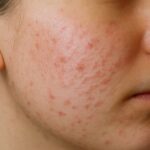
Another consideration is how caffeine interacts with stress hormones. Drinking multiple cups of coffee daily can raise cortisol levels, which may in turn impact oil production and inflammation in the skin. Elevated stress hormones are linked to breakouts and the worsening of inflammatory skin conditions such as acne, rosacea, and eczema. Individuals with sensitive or reactive skin might notice flare-ups or increased redness after consuming more caffeinated beverages than usual.
Caffeine can also affect sleep, which is critical for skin regeneration and repair. Poor sleep quality or insufficient rest due to late-day caffeine intake may indirectly lead to dullness, dark circles, or slower healing of blemishes. On the flip side, moderate coffee consumption has been shown in some studies to offer protective effects against certain UV damage due to its antioxidant content. This means the relationship between caffeine and skin is highly nuanced, with both positive and negative potential outcomes depending on personal habits and biological factors.
Lastly, topical caffeine products may produce a temporary brightening effect by reducing puffiness and tightening the skin, but these effects are usually short-lived and cosmetic in nature. Ingested caffeine’s impact on your skin is less pronounced but more systemic, reflecting broader health and lifestyle patterns.
Is Coffee Bad for Skin or Can It Be Beneficial?
The reputation of coffee as either a skincare villain or a hidden hero is largely overblown. When considering whether coffee is bad for your skin, it’s important to distinguish between the effects of caffeine itself and the other compounds present in coffee beans. For example, brewed coffee contains polyphenols and antioxidants, which are known to support the body’s defense against free radicals and oxidative stress—both contributors to premature skin aging.
Moderate coffee drinking has even been linked with a decreased risk of certain inflammatory diseases and some skin cancers in large epidemiological studies. The antioxidants in coffee can help protect against damage from UV exposure and may contribute to a healthier-looking complexion. Some people also use coffee grounds as gentle exfoliants in homemade scrubs, which can offer brightening and smoothing benefits when used with care.
However, it’s essential to approach coffee with moderation and to watch for added ingredients that might impact skin health. Sugary coffee drinks or those containing artificial creamers and syrups can promote inflammation and worsen breakouts, negating any potential benefits from the coffee itself. For those with certain conditions, such as severe acne or rosacea, coffee and caffeine may act as triggers, and reducing intake could produce noticeable improvements.
Ultimately, is coffee bad for skin? For most people, enjoying a cup or two per day is unlikely to cause harm and may provide subtle protective effects. But overconsumption or poor hydration habits can tip the scale toward dryness or irritation, particularly for those with sensitive complexions.
What Do Dermatologists Say About Caffeine and Coffee Use?
Most dermatologists agree that moderate caffeine consumption is generally safe for healthy skin, provided you pay attention to how your body reacts. Dermatology professionals often emphasize that skin health is multifactorial, shaped by genetics, environment, diet, and lifestyle—not single ingredients or foods alone. For many, caffeine is not the main culprit behind skin issues, but personal sensitivities can play a significant role.
Topical caffeine products have gained popularity for their ability to reduce puffiness and transient swelling, especially around the eyes. Dermatologists may recommend these in certain cases, but they caution that the results are usually temporary and should be accompanied by a comprehensive skincare routine.
For patients with persistent acne, eczema, or rosacea, dermatologists may advise monitoring caffeine and coffee intake to see if symptoms worsen after consumption. Keeping a skin diary can help identify patterns and triggers, allowing for more personalized recommendations. It’s also important to consider how other lifestyle factors, such as stress, sleep hygiene, and diet, interact with caffeine use to influence skin health.
When trying new topical caffeine products, a patch test is always recommended, especially for those with sensitive skin. If you have concerns about skin reactions or underlying conditions, consult a board-certified dermatologist for tailored advice.
Should You Change Your Coffee Habits for Better Skin?
If you’ve been worrying about whether you need to give up coffee for clearer skin, there’s good news: most people can enjoy coffee in moderation without significant negative effects on their complexion. Focus on balancing your caffeine intake with proper hydration, limiting sugar and artificial additives, and paying attention to how your skin responds over time.
For those experiencing chronic dryness, redness, or breakouts, experiment with reducing caffeine consumption to see if it makes a noticeable difference. Prioritize a balanced diet, stress management, and consistent sleep, as these all play major roles in skin vitality. Choose high-quality, minimally processed coffee and avoid heavy flavorings or sweeteners that can fuel inflammation.
Incorporate caffeine-based skincare products cautiously, starting with a patch test and following label instructions. Remember that while these can be a helpful addition, they work best as part of a well-rounded routine tailored to your skin type and needs. And as always, if new symptoms or concerns arise, consulting a dermatologist can provide clarity and peace of mind.
Next steps: Listen to your skin and make small, thoughtful adjustments to your coffee habits if needed. Prioritize hydration, a gentle skincare regimen, and regular check-ins with a professional for ongoing skin wellness. When using sharp exfoliating tools or introducing new ingredients, proceed with care to avoid irritation—healthy, glowing skin is always worth the extra attention.




Leave a Reply