
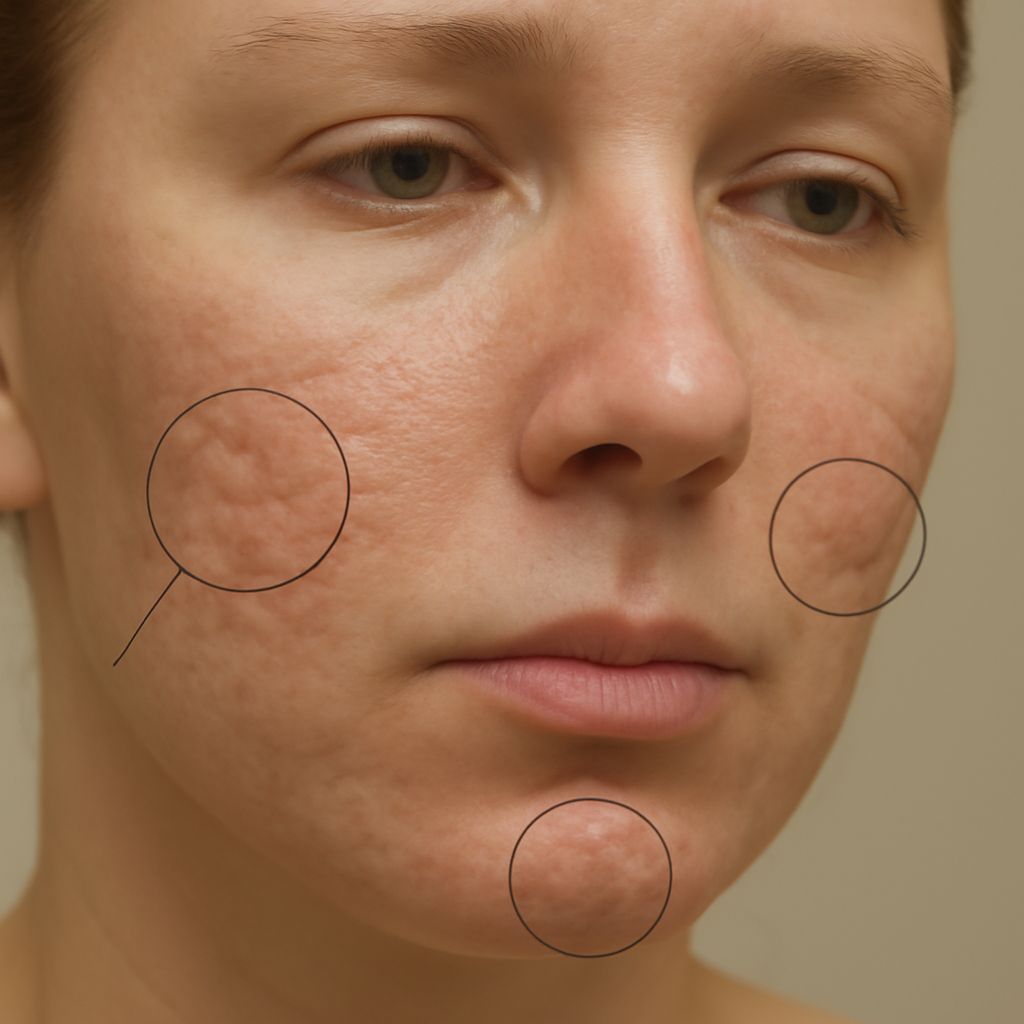
Acne scars are a common concern for many, impacting both appearance and self-confidence. While some acne scars are shallow and less pronounced, others can be deep and considered the worst in terms of visibility and texture. Understanding the diverse types of acne scars and exploring effective solutions can empower individuals to make informed decisions about treatment strategies.
This article delves into the various types of acne scars, including ice pick scars and boxcar scars, highlights the formation of shallow acne scars, and identifies which scars are considered the most severe. Additionally, we explore viable treatment options ranging from professional dermatological procedures to home remedies, offering hope and direction to those seeking smoother, more even skin.
What Are the Different Types of Acne Scars?
Ice Pick Scars
Ice pick scars are one of the most recognizable types of acne scars. These scars are narrow and deep, often resembling small punctures or holes in the skin. They are typically difficult to treat due to their depth, and may require specific dermatological interventions for improvement.
Boxcar Scars
Boxcar scars, unlike ice pick scars, are broader and have well-defined edges. These scars give the skin an uneven appearance and can vary in depth and severity. Treatments for boxcar scars often focus on smoothing the skin’s texture and promoting collagen production to fill the depressions.
How Do Shallow Acne Scars Form?
Characteristics of Shallow Scars
Shallow acne scars are generally less invasive to the skin’s surface compared to deeper scars types. These scars often result from superficial acne lesions that heal incompletely, leaving behind slight textural changes. Their shallow nature makes them more responsive to treatments that promote skin renewal and collagen synthesis.
Which Acne Scars Are Considered the Worst?
Hypertrophic Scars
Hypertrophic scars are characterized by raised and thickened skin at the site of the acne lesion. Unlike shallow scars, hypertrophic scars occur when excess collagen is produced during the healing process, resulting in a noticeable protrusion. While not as severe as keloid scars, they can still be a significant cosmetic concern.
Keloid Scars
Keloid scars represent one of the worst forms of acne scarring due to their aggressive nature. These scars extend beyond the original acne site and continue to grow over time. Keloids are caused by an overproduction of collagen, leading to raised, thickened areas that can be itchy or uncomfortable. Professional treatment is often necessary to manage these persistent scars.
What Treatment Options Are Available for Acne Scars?
Dermatological Treatments
Professional treatments for acne scars include options such as laser therapy, chemical peels, and microneedling. These methods aim to resurface the skin, reduce scar depth, and stimulate collagen production. Dermatologists can tailor therapies based on the type and severity of acne scars to achieve optimal results.
Home Remedies
For those seeking alternative solutions, several home remedies can support acne scar improvement. Natural ingredients like aloe vera, honey, and lemon juice have properties that promote healing and skin renewal. While not as potent as medical treatments, these remedies can be beneficial for mild to moderate shallow scars.
Pro Tips Recap: Effective acne scar management begins with understanding the types of scars and selecting appropriate treatments. While some scars may require professional intervention, others can benefit from consistent home care. Always consult with a dermatologist to ensure safe and suitable solutions for your skin type. Do perform patch tests when using new treatments to avoid adverse reactions, especially on sensitive skin.



Leave a Reply