
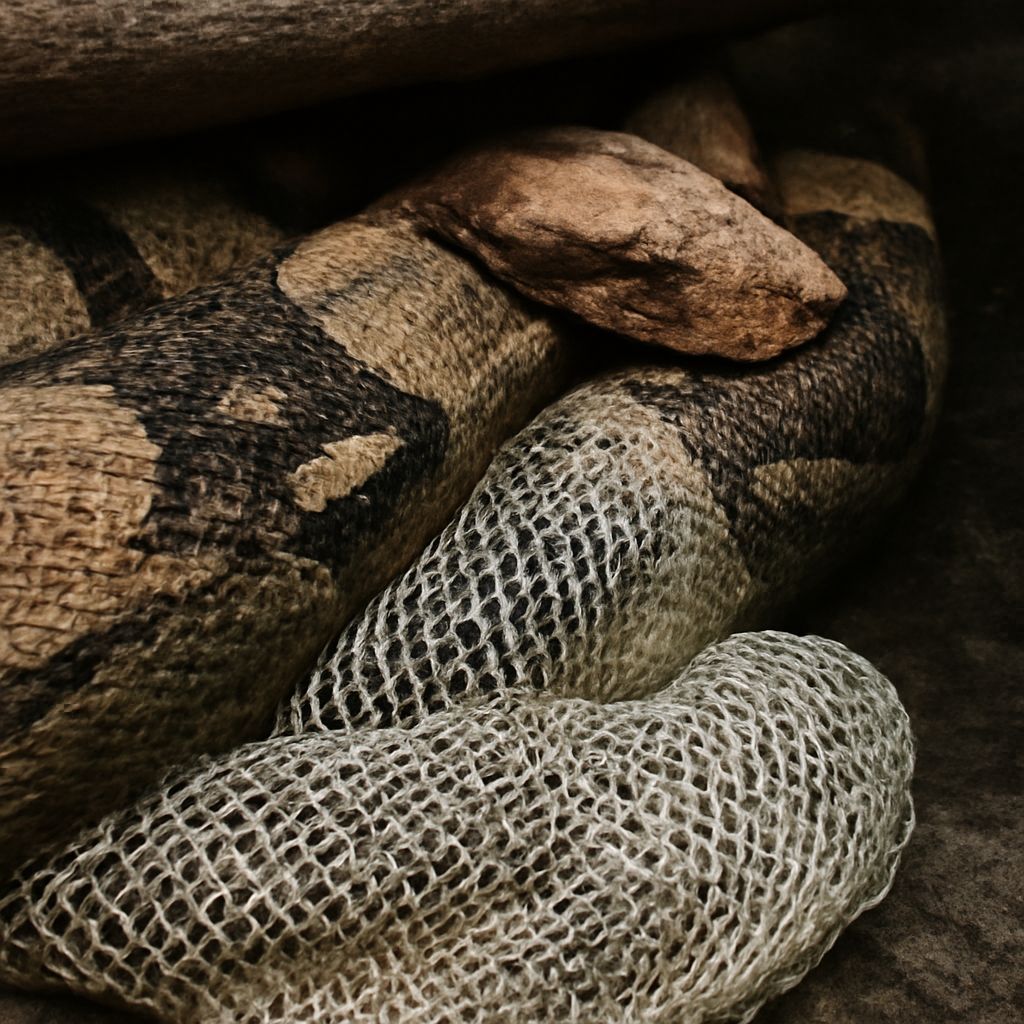
Snakes are fascinating creatures, captivating the curiosity of many with their unique behaviors and features. One of the most intriguing aspects of a snake’s life is its ability to shed its skin. This natural process, known as ecdysis, is not just a curious spectacle but a vital part of a snake’s life cycle. But why do snakes shed their skin, and what happens to the shedded snake skin afterwards? Understanding the reasons and mechanisms behind snake skin shedding can provide deeper insights into these enigmatic reptiles.
The shedding process is both a biological necessity and an indicator of a snake’s health. Learning more about how often snakes shed their skin and the signs that a snake is about to shed can equip snake owners and enthusiasts with the knowledge needed to support their slithering companions effectively.
Why Do Snakes Shed Their Skin?
The Biological Need for Shedding
Shedding skin is crucial for snakes as it allows them to grow, since their skin does not stretch. As snakes grow, their outer layer of skin becomes restrictive, necessitating the shedding process. This renewal not only facilitates growth but also helps remove parasites that might be attached to the old skin.
How Often Do Snakes Shed Their Skin?
The frequency of shedding varies among snakes and is influenced by factors such as age, species, and environmental conditions. Younger snakes generally shed more frequently, sometimes every few weeks, as they are growing rapidly. In contrast, adult snakes might shed just a few times a year, depending on their growth rate and health status.
The Process of Snake Skin Shedding
Stages of Shedding
Snake skin shedding occurs in distinct stages, starting with the formation of a new layer of skin beneath the old one. This is followed by a dulling of the snake’s skin color and the development of a milky appearance over the eyes. Finally, the snake will shed its skin in a continuous piece if all goes well, starting from the nose and working down to the tail.
Signs a Snake is About to Shed
There are several indicators that a snake is preparing to shed. These include a loss of appetite, increased restlessness, and a noticeable dulling or opacity of the skin. Additionally, the eyes may become cloudy or blue-tinted as the snake approaches its shedding phase.
What Happens to Shedded Snake Skin?
The Role of Shedded Skin in Nature
Once a snake sheds its skin, the discarded layer plays a role in the ecosystem. It can serve as a source of nutrients for insects and other small organisms. Additionally, the presence of shedded skins in an area can indicate the health and population of snakes in that habitat.
How Snakes Use Their Shedded Skin
While snakes do not directly use their shedded skin, the act of shedding itself is beneficial. It helps in maintaining their hygiene by removing parasites and allows them to grow healthily. In some cultures, shedded snake skins are also collected and used for educational purposes or as mementos.
Common Issues in Snake Shedding
Incomplete Shedding and Its Causes
Incomplete shedding, or dysecdysis, can occur due to several reasons, including inadequate humidity, poor nutrition, or health issues. Snakes that experience incomplete shedding might retain patches of old skin, which can cause discomfort and lead to infections.
How to Help a Snake with Shedding Problems
If a snake is having trouble shedding, increasing the humidity in its environment can often help. Providing a rough surface in its habitat can also assist the snake in removing retained skin. In severe cases, consulting a veterinarian who specializes in reptiles might be necessary.
Caring for a Snake During the Shedding Process
Creating the Ideal Shedding Environment
Ensuring that a snake has an optimal environment for shedding is crucial. This includes maintaining proper humidity levels and providing a habitat with hiding spots and surfaces that can help the snake naturally slough off its old skin.
Hydration and Nutrition Tips
Proper hydration is essential during the shedding process. Snakes should have access to fresh water at all times. Additionally, a balanced diet is crucial to ensure that they receive all the nutrients necessary for healthy growth and skin renewal.
Understanding the Cultural Significance of Snake Shedding
Symbolism in Different Cultures
Snake shedding holds significant symbolism in various cultures, often representing renewal, transformation, and rebirth. This process is frequently seen as a metaphor for personal growth and shedding old habits or identities.
Snakes in Mythology
Throughout mythology, snakes have been revered and feared, often embodying dual aspects of creation and destruction. The ability of snakes to shed their skin has been interpreted as a symbol of immortality and life cycles in several ancient mythologies.
Bottom line: Snake skin shedding is a complex and essential part of a snake’s life, reflecting its health and growth. Understanding this process can enhance the care provided to pet snakes and deepen appreciation for these remarkable reptiles. Always ensure safe handling and appropriate care to prevent any issues during shedding.





Leave a Reply