
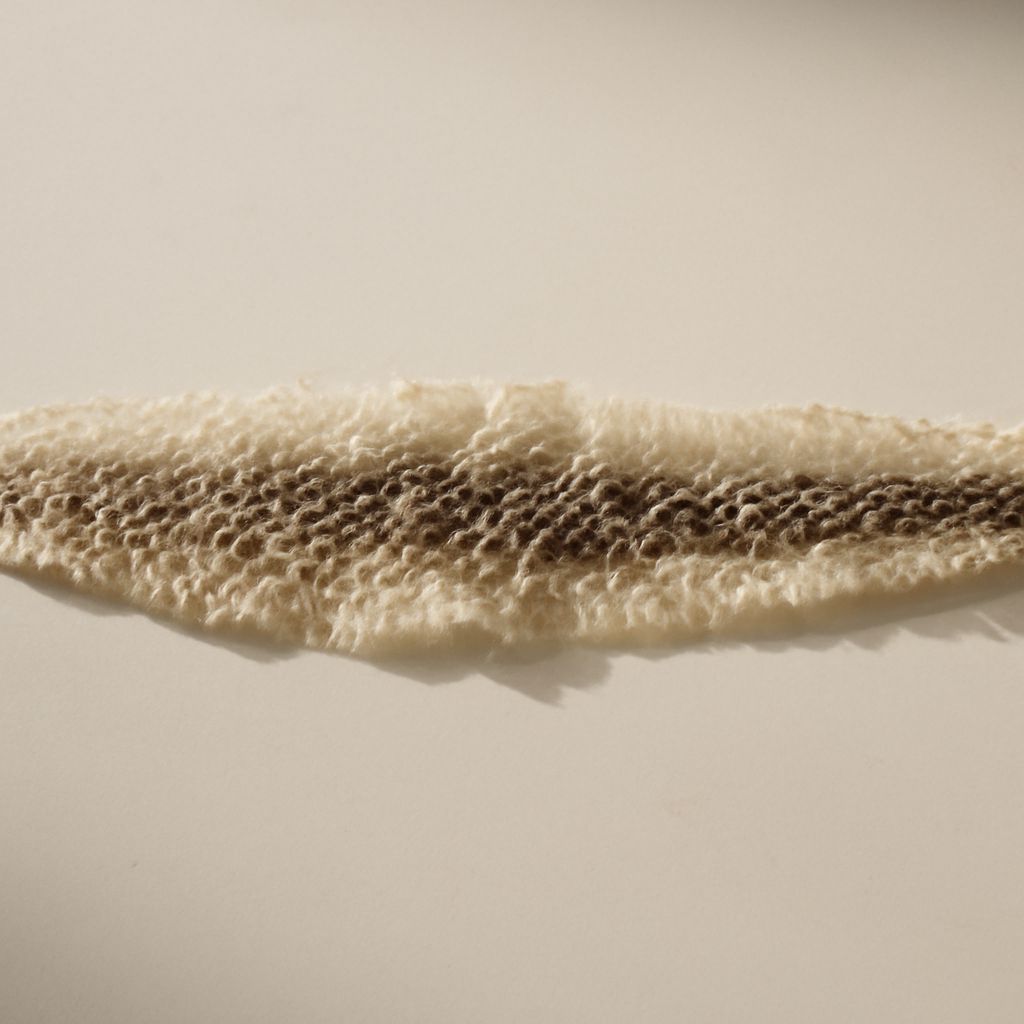
Have you ever wondered why snakes shed their skin? The process of snake shedding its skin is a vital aspect of their life cycle, ensuring their health and growth. Often misunderstood, this fascinating cycle is not only crucial for the snake, but also offers unique uses, such as the creation of snake skin leather. By understanding when do snakes shed their skin and exploring the reasons behind this, we uncover not just biological necessity but also practical applications.
Diving into the world of snake skin, it is essential to explore the shedding cycle, the process itself, and the myriad uses of shed snake skin. From natural renewal to crafting exquisite items, snake skin holds secrets waiting to be unraveled.
Understanding Snake Skin and Its Importance
What is Snake Skin?
Snake skin, primarily composed of keratin, serves as a protective layer that covers the snake’s body. This durable yet flexible skin allows snakes to navigate various environments while shielding them from harm. Additionally, the skin’s texture aids in locomotion, providing traction against surfaces.
Why is Snake Skin Important?
The importance of snake skin extends beyond mere protection. It plays a crucial role in hydration and thermoregulation, allowing snakes to retain moisture and regulate their body temperature. Furthermore, the skin is an indicator of the snake’s health, with shedding cycles reflecting their growth and wellbeing.
When Do Snakes Shed Their Skin?
The Shedding Cycle Explained
Snakes usually shed their skin periodically throughout their lives. This process, known as ecdysis, occurs several times a year, with frequency increasing during growth spurts or in younger snakes. Each shedding cycle begins with the development of a new layer, while the outer layer loosens and eventually peels away.
Factors Influencing Shedding
Various factors influence when snakes shed their skin, including age, species, environmental conditions, and overall health. Younger snakes tend to shed more often due to continuous growth, while environmental humidity can facilitate easier shedding. Stress and illness can also alter the regularity of their shedding cycles.
The Process of Snake Shedding Its Skin
Signs of a Shedding Snake
Before a snake begins its shedding process, signs such as dull coloration, cloudy eyes, and reduced appetite become evident. These indicators suggest the snake is nearing the end of its current cycle, preparing to reveal fresh skin beneath the old layer.
How Snakes Shed Their Skin
Once ready, the snake starts shedding by rubbing against rough surfaces to initiate the peeling of its outer layer. Gradually, it slithers out of the old skin, which often comes off in one piece. This fascinating procedure results in a complete shedding, leaving behind a perfect replica of the snake’s former self.
Shed Snake Skin: What Happens Next?
Uses of Shed Snake Skin
Shed snake skin, while primarily discarded in the wild, finds numerous uses in human hands. It is often collected for educational purposes, allowing for closer examination of snake anatomy. Additionally, the skin is utilized in crafts, providing a natural material for creating decorative items and accessories.
Preserving Shed Snake Skin
For enthusiasts wanting to preserve shed snake skin, a careful approach is required. Begin by gently cleaning the skin to remove any residual dirt, then dry it completely to prevent decay. Proper storage away from direct sunlight ensures the preserved skin remains intact and visually appealing.
Snake Skin Leather: A Unique Material
How Snake Skin Becomes Leather
Transforming snake skin into leather involves tanning, a process that stabilizes the skin, making it durable and suitable for various applications. The skin undergoes meticulous treatment, including cleaning and layering, to achieve the desired texture and flexibility characteristic of quality leather.
Applications of Snake Skin Leather
Snake skin leather, known for its distinctive patterns and resilience, is used in crafting high-end fashion pieces, accessories, and footwear. Its unique appearance and strength make it a sought-after material in the luxury market, symbolizing elegance and exotic allure.
Safety Note: When handling snake skin, whether shed or transformed into leather, it’s important to be mindful of skin sensitivity, as some individuals may experience irritation. Use gloves when necessary to avoid direct contact.
Bottom line: Snake skin, from its natural shedding cycle to its transformation into leather, represents more than just a biological phenomenon. It offers insights into snake health, unique crafting opportunities, and luxury applications that highlight the interplay between nature and creativity.




Leave a Reply