
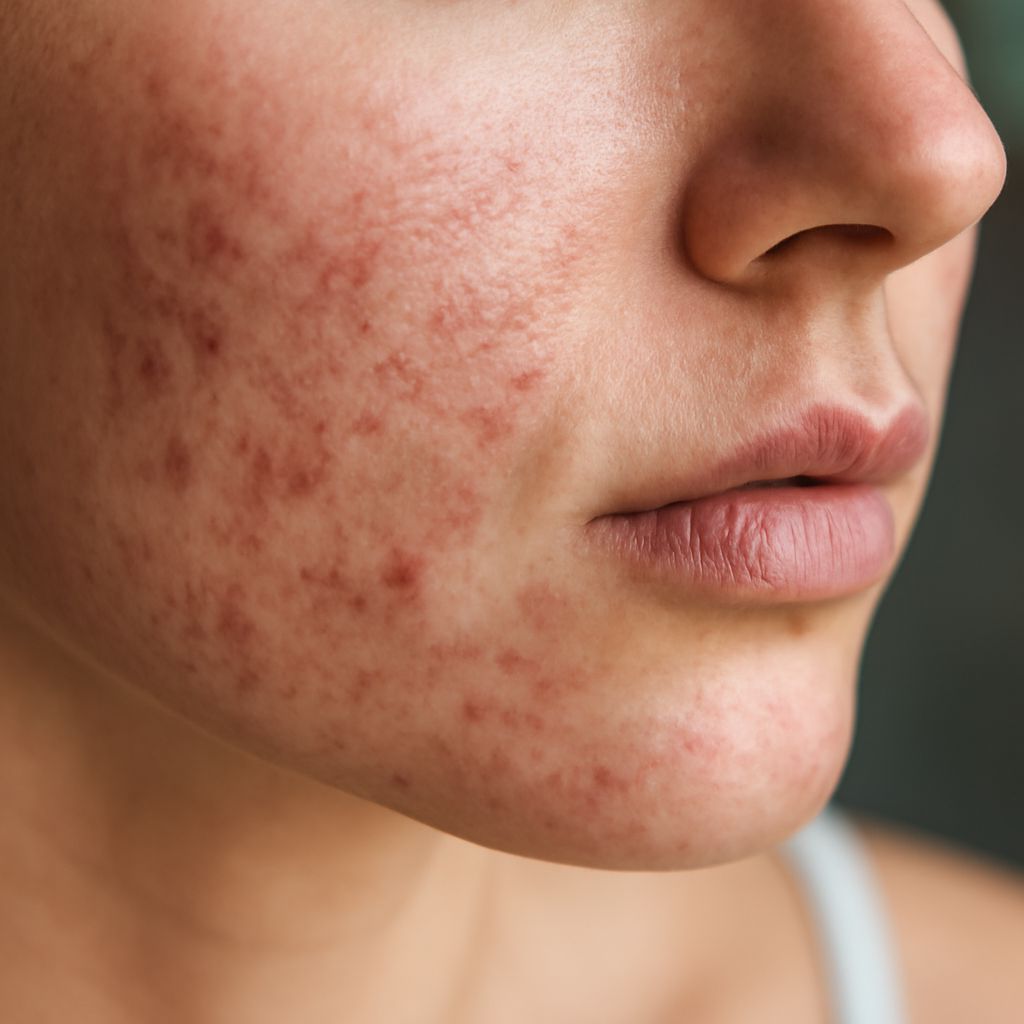
Many individuals face the perplexing issue of dry acne prone skin, a condition where the skin appears dry but still experiences outbreaks. This paradox can lead to confusion, with people often wondering, “Does dry skin cause acne?” While it may seem counterintuitive, the dryness of the skin can indeed contribute to acne. So, what are the effective solutions for acne treatment for dry skin? The answer lies in understanding the intricate link between acne and dry skin. By learning more about the common causes and preventative measures, you can navigate this challenge and maintain healthy, clear skin.
In this article, we will explore the question, “Can dry skin cause acne and breakouts?” and delve into the causes of this skin condition. Whether you’re dealing with chronic dryness or occasional flare-ups, we’ll provide insights into effective acne treatments for dry skin and a daily skincare routine that caters to your unique needs. Let’s discover how to balance care for acne and dry skin effectively.
What Is Dry Acne Prone Skin?
Dry acne prone skin is characterized by a lack of moisture in the skin, leading to a flaky or rough texture, while simultaneously experiencing acne breakouts. This condition can be particularly frustrating, as the typical treatments for acne often exacerbate dryness. Understanding this skin type is crucial for adopting the right skincare and treatment strategies.
Does Dry Skin Cause Acne?
The relationship between dry skin and acne is not straightforward. Traditionally, acne is associated with excess oil, but dry skin can also trigger breakouts. When the skin is dry, it overcompensates by producing more oil to counteract the dryness. This excess oil, combined with dead skin cells, can clog pores and lead to acne.
Can Dry Skin Cause Acne and Breakouts?
Yes, dry skin can indeed lead to acne and breakouts. The skin’s natural response to dryness is to increase oil production, which can result in clogged pores. Additionally, dry skin can lead to a compromised skin barrier, making it more susceptible to bacteria and irritants that cause acne.
Common Causes of Dry Acne Prone Skin
Several factors contribute to dry acne prone skin:
- Environmental Conditions: Cold weather, low humidity, and wind can strip moisture from the skin, leading to dryness and acne.
- Harsh Skincare Products: Products containing alcohol or sulfates can dry out the skin, worsening both dryness and acne.
- Genetics: Some individuals are genetically predisposed to having both dry and acne prone skin.
- Medications: Certain acne treatments, such as retinoids and benzoyl peroxide, can cause dryness.
Acne Treatment for Dry Skin: Effective Solutions
To treat acne on dry skin, it is essential to focus on hydration while managing breakouts. Consider these effective solutions:
- Gentle Cleansers: Use a mild, hydrating cleanser to cleanse without stripping away moisture.
- Moisturizers: Opt for non-comedogenic, hydrating moisturizers that lock in moisture without clogging pores.
- Hydrating Serums: Incorporate serums with hyaluronic acid or glycerin to boost moisture levels.
- Spot Treatments: Use gentle spot treatments with salicylic acid or sulfur to target breakouts without drying the skin.
Preventative Measures for Managing Acne and Dry Skin
Preventing acne and maintaining skin hydration can be achieved through these measures:
- Avoid Hot Water: Use lukewarm water when washing your face to prevent further drying out the skin.
- Stay Hydrated: Drink plenty of water and use a humidifier to maintain skin hydration levels.
- Choose the Right Products: Look for skincare products labeled for sensitive or dry skin types.
Daily Skincare Routine for Dry Acne Prone Skin
Creating a consistent skincare routine is key to managing dry acne prone skin:
- Cleanse: Use a gentle cleanser twice daily to remove impurities.
- Tone: Apply a hydrating toner to balance skin pH and add moisture.
- Treat: Use acne treatments sparingly and focus on hydrating serums.
- Moisturize: Seal in moisture with a suitable moisturizer.
- Sun Protection: Apply a broad-spectrum sunscreen to protect against UV damage.
Conclusion: Balancing Care for Acne and Dry Skin
Managing dry acne prone skin requires a delicate balance of hydration and targeted acne treatment. By understanding the relationship between dryness and acne, you can adapt your skincare routine to address both issues effectively. With the right products and preventative measures, it is possible to maintain a healthy, clear complexion.
Safety Recap: When using skincare tools, always ensure they are clean to prevent infection. If you have sensitive skin, patch-test new products to avoid adverse reactions.




Leave a Reply