
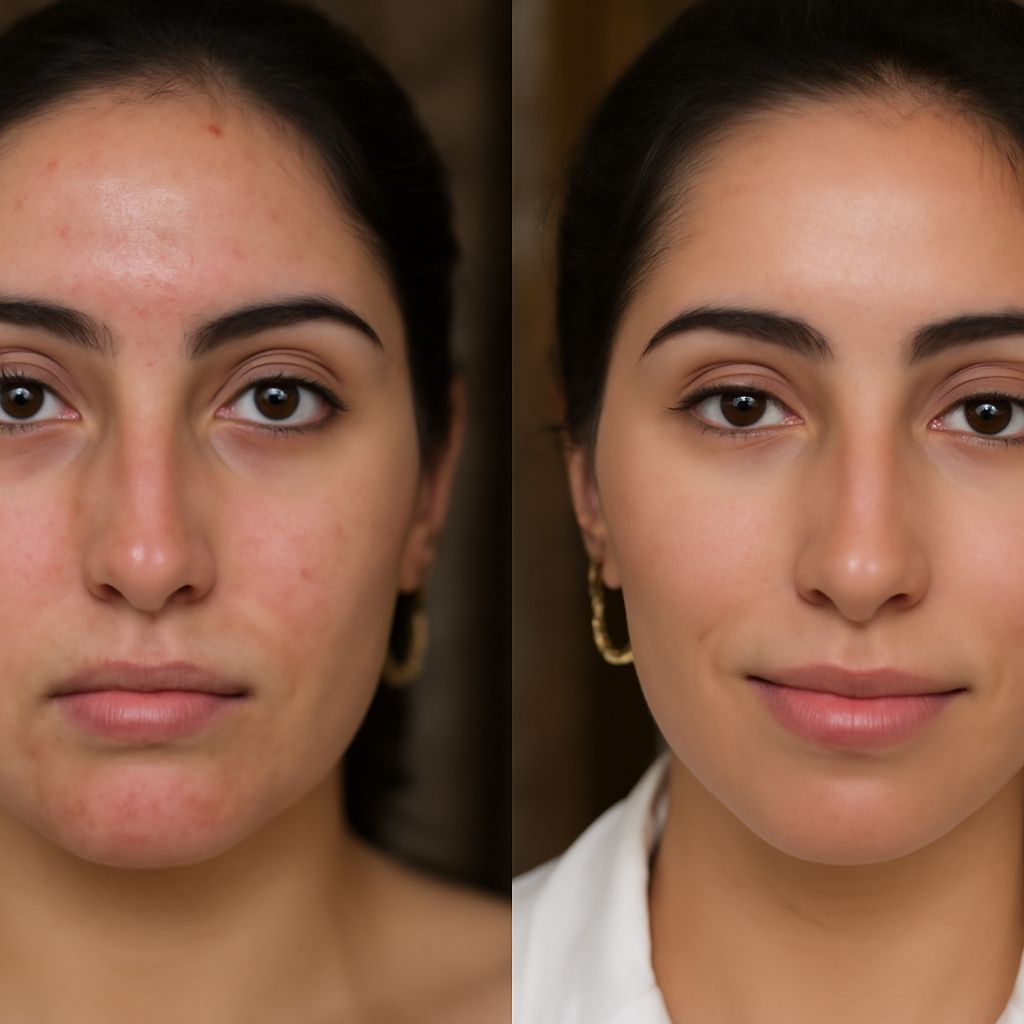
Acne can be a persistent and frustrating skin condition that affects individuals of all ages. While many over-the-counter treatments are available, some people find these options insufficient for severe breakouts. This is where hydrocortisone cream and cortisone shots come into play. These treatments have gained popularity for their rapid results and effectiveness in reducing inflammation and redness. Understanding the differences between a cortisone shot for acne and other treatments like hydrocortisone cream can significantly impact your skincare decisions.
In this comprehensive guide, we will explore how hydrocortisone cream can aid in acne treatment, delve into the details of cortisone shot acne before and after effects, and discuss the benefits and potential drawbacks of incorporating cortisone into your acne regimen. Whether you’re considering hydrocortisone cream or contemplating a cortisone shot, this article will equip you with the knowledge to make an informed choice.
What is Hydrocortisone Cream for Acne?
Hydrocortisone cream is a topical steroid designed to reduce inflammation and alleviate redness in various skin conditions, including acne. Its anti-inflammatory properties make it an appealing option for individuals dealing with inflammatory acne lesions. The cream works by calming the skin and reducing the swelling associated with acne, providing a soothing effect that can enhance the overall appearance of the skin.
Using hydrocortisone cream for acne involves applying a thin layer to the affected area, typically one to two times a day. It’s important to follow the product instructions and not overuse the cream, as over-application can lead to skin thinning. For those with sensitive skin, a patch test is recommended to ensure there is no adverse reaction.
How Does a Cortisone Shot for Acne Work?
A cortisone shot is an injectable form of steroid used primarily for severe or cystic acne. Administered by a dermatologist, this treatment involves injecting a small amount of cortisone directly into the acne cyst. The cortisone shot works by delivering a concentrated dose of anti-inflammatory medication, which rapidly reduces swelling and redness.
This procedure is particularly effective for individuals with deep, painful acne cysts that do not respond well to topical treatments. The results are often quick, with noticeable improvements within a day or two. While cortisone shots can be a game-changer for many, it is essential to consult with a healthcare professional to ensure this treatment is suitable for your specific skin needs.
Cortisone Shot Acne Before and After: What to Expect
Individuals who opt for cortisone shots often report dramatic improvements in their acne condition. Before receiving the shot, cystic acne may appear red, swollen, and painful. After the injection, patients typically notice a significant reduction in size and discomfort within 24 to 48 hours.
The cortisone shot acne before and after results can vary depending on the severity of the acne and the individual’s skin type. While the immediate effect is a reduction in inflammation, the long-term benefits include reduced scarring potential and prevention of further skin irritation. However, it’s important to be aware that overuse of cortisone shots can lead to thinning skin and other side effects, so they should be used judiciously under medical supervision.
Benefits and Drawbacks of Using Cortisone for Acne
Cortisone treatments offer several advantages for individuals struggling with severe acne. The primary benefit is the rapid reduction of inflammation, which can quickly improve the appearance of the skin and alleviate pain. This makes it an attractive option for those needing immediate relief, such as before an important event.
However, there are also drawbacks to consider. Prolonged use of hydrocortisone cream or frequent cortisone shots can lead to skin thinning, increased susceptibility to infections, and potential hormonal side effects. It’s crucial for users to balance the benefits with the risks and to consult healthcare providers to tailor a treatment plan that suits their needs.
Comparing Cortisone Cream and Cortisone Shots for Acne
When deciding between cortisone cream and cortisone shots, it’s important to consider the severity of your acne. Hydrocortisone cream is suitable for mild to moderate acne cases where inflammation is present but not severe. It’s a convenient option that can be used at home without professional supervision.
On the other hand, cortisone shots are reserved for severe acne cases, particularly cystic acne that is resistant to other treatments. The shots provide a more immediate and powerful solution compared to the cream, making them ideal for urgent situations.
The choice between these treatments depends largely on individual skin conditions and the advice of healthcare professionals. Some may find that a combination of both hydrocortisone cream and occasional cortisone shots provides the best results.
Who Should Consider Cortisone Acne Treatments?
Cortisone acne treatments are typically recommended for individuals with persistent, inflammatory, or cystic acne who have not found relief with standard over-the-counter options. Those who experience significant pain or discomfort from their acne may also benefit from these treatments.
It’s crucial for anyone considering cortisone treatments to consult with a dermatologist to assess suitability and potential side effects. Pregnant or breastfeeding women, as well as individuals with certain medical conditions, should disclose this information to their healthcare provider to ensure safe treatment options.
Pro tips recap: Utilizing hydrocortisone cream or cortisone shots for acne can be highly beneficial, but it’s essential to use them responsibly. Always consult a dermatologist before starting new treatments, especially for severe acne. Be mindful of potential side effects and use these treatments as part of a comprehensive skincare routine to achieve the best results. Remember to conduct a patch test for new topical treatments and to avoid overuse to prevent skin damage.




Leave a Reply