
Skin injuries are a common concern, with ice burn on skin being a surprisingly frequent but often overlooked issue. Whether from direct contact with frozen substances or other sources of extreme cold, these burns can cause significant discomfort and potential damage to your skin. Understanding the symptoms and knowing how to treat freeze burn skin effectively is crucial for maintaining healthy skin. This guide will shed light on the causes, symptoms, and remedies for these types of burns while addressing why tears might sometimes cause skin irritation.
What Is Ice Burn on Skin?
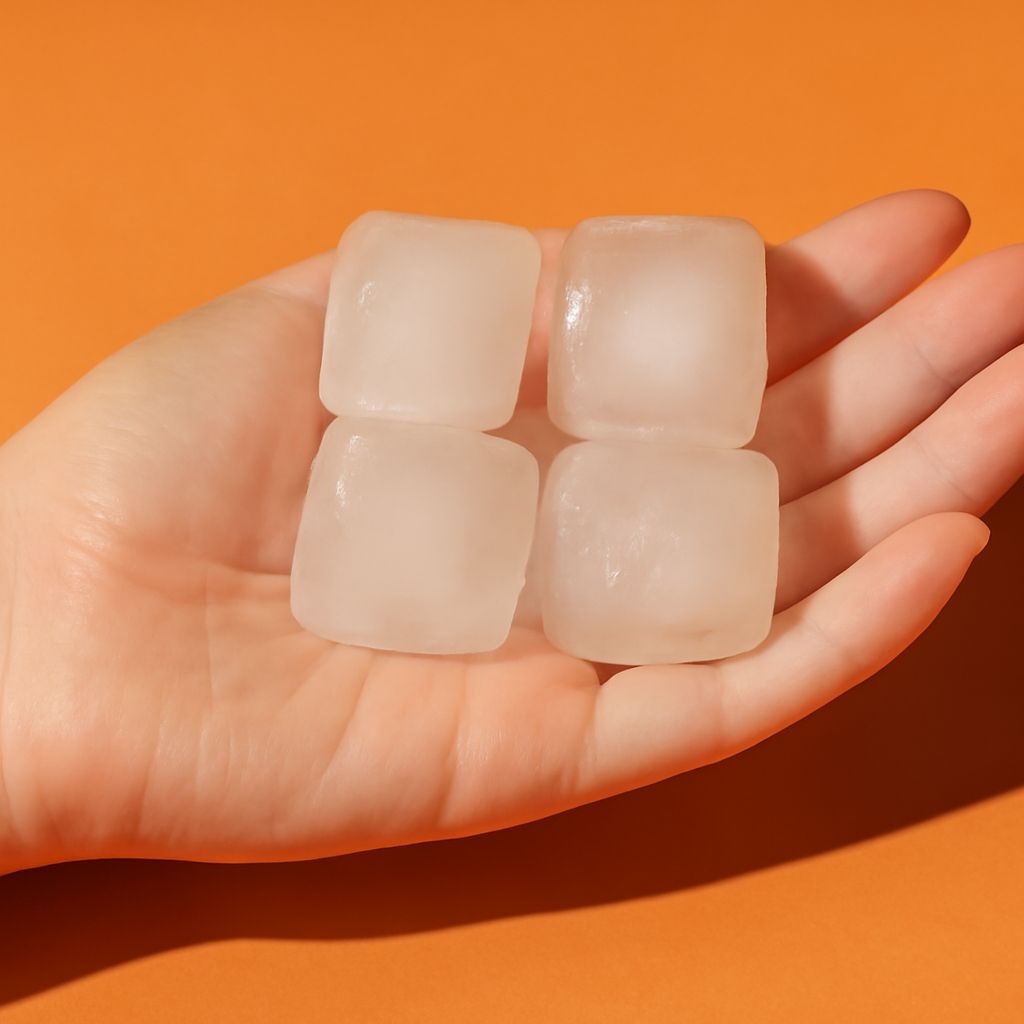
Ice burn occurs when skin is exposed to extremely cold temperatures, often through direct contact with ice or icy surfaces. Such exposure causes the skin’s temperature to drop, leading to tissue damage similar to a thermal burn. The affected area may become red, numb, and painful. In severe cases, blisters may form, resembling a burn from heat. This condition is common among individuals who handle ice frequently or are in freezing environments without adequate protection.
How Does Freezer Burn Affect Skin?
Freezer burn on skin is a result of prolonged exposure to cold, dry air, typically from freezer compartments. Unlike ice burn, which is caused by direct contact with ice, freezer burn affects the skin by removing moisture, leading to dry, cracked, and sometimes itchy skin. The skin may appear white or pale due to reduced blood flow. In extreme cases, the skin may feel hard and might even blister. Individuals often underestimate the effects of freezer burn, but it can lead to long-term skin damage if not addressed properly.
Why Do My Tears Burn My Skin?
While it may sound surprising, tears can sometimes cause a burning sensation on the skin, particularly in people with sensitive skin or underlying dermatological conditions. This sensation is often due to the salt content in tears, which can irritate raw or already irritated skin. Additionally, if tears mix with other substances such as makeup or sweat, the resulting mixture can intensify the irritation. Although generally harmless, it’s important to be aware of this reaction to avoid further discomfort.
How to Treat Freeze Burn Skin
Treating freeze burn skin involves several steps to restore skin health and prevent further damage. Start by gently warming the affected area with warm (not hot) water or a warm cloth. This helps to gradually restore circulation. Applying a moisturizer can aid in repairing the skin barrier and retaining moisture. Over-the-counter hydrocortisone creams can reduce inflammation and itching. For blisters or open wounds, keep the area clean and covered to prevent infection. If symptoms persist, seeking professional medical advice is recommended.
Preventing Ice Burn and Freezer Burn on Skin
Prevention is key in managing ice burn and freezer burn. When handling ice or in cold conditions, wear protective clothing such as gloves and long sleeves to reduce skin exposure. For those dealing with freezers frequently, limit direct contact and use appropriate protective gear. Additionally, maintaining a good skincare routine with regular moisturization can enhance your skin’s resilience to cold and dry conditions. Ensuring your living space is adequately humidified during winter months can also help prevent skin dryness.
When to Seek Medical Advice for Skin Burns
While most instances of ice burn and freezer burn can be managed at home, certain situations require professional medical evaluation. Seek medical advice if the affected area is large, if there’s significant pain, or if you notice signs of infection like pus or increased redness. Persistent symptoms or the presence of blisters that don’t heal should also be assessed by a healthcare provider. Early intervention can prevent complications and facilitate faster recovery.
Safety Note: When treating skin burns, always avoid using extreme temperatures (hot or cold) on the affected area, as this can worsen the injury. Apply gentle, consistent warmth or soothing products to aid healing.
Next steps: Incorporating preventive measures into your daily routine is essential for maintaining healthy skin. Regularly check your skin for any early signs of irritation from cold exposure and respond promptly with appropriate care. Educate yourself on skincare practices that fortify your skin’s natural barriers, ensuring resilience against environmental stressors.





Leave a Reply