
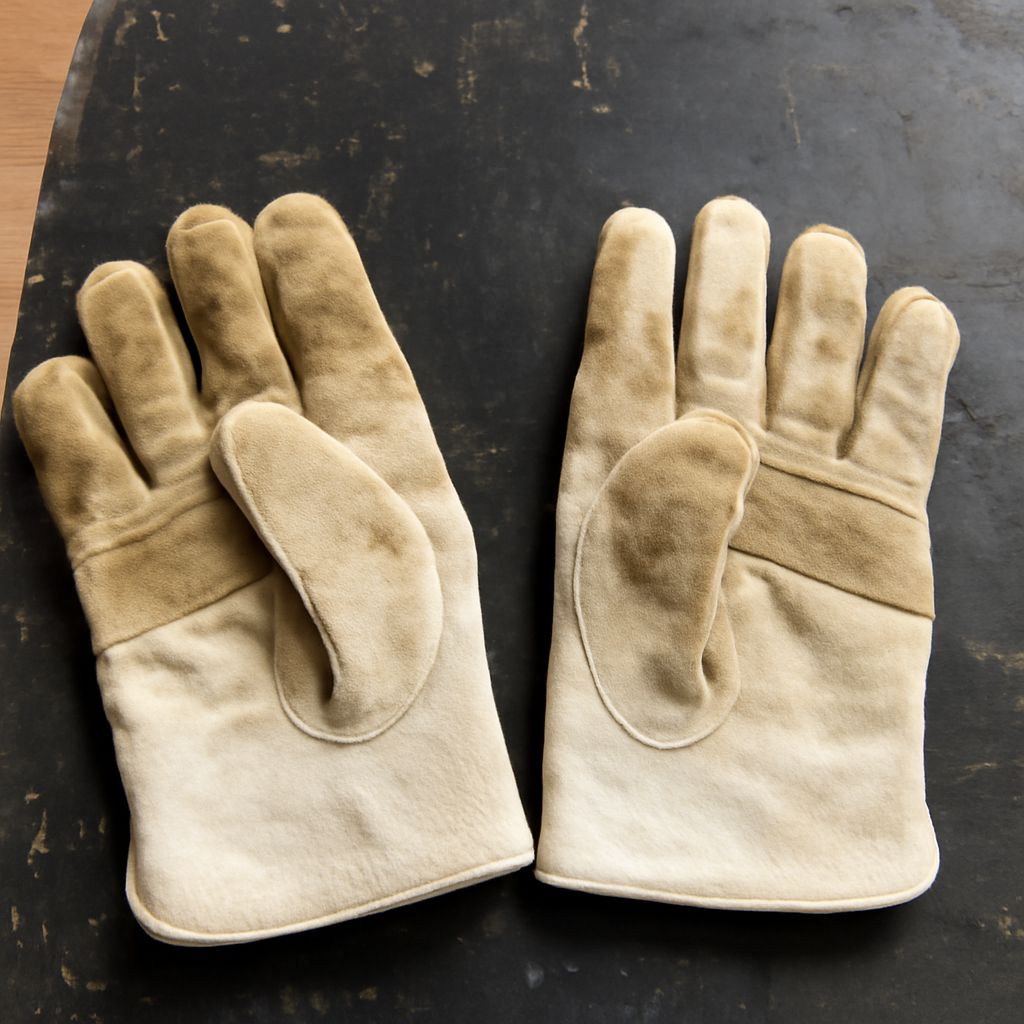
In the world of leather production, pig skin leather stands out for its unique characteristics and versatile applications. While many are familiar with cowhide or even fish skin leather, pig skin offers specific advantages that make it highly desirable in various industries. From the durability of pig skin gloves to the historical allure of knight skin, understanding these materials can elevate your appreciation for leather goods.
This article delves into the qualities of pig skin leather, its comparison with fish skin leather, and the historical significance of knight skin. We’ll also explore the practical uses of leather wine skins, offering a comprehensive perspective on different types of skin leathers.
What is Pig Skin Leather?
Pig skin leather is renowned for its soft texture and distinct appearance. Derived from the hides of pigs, this type of leather is characterized by its porous surface, which often results in a breathable material that is ideal for crafting garments. The leather’s unique texture allows it to absorb dyes more effectively, offering vibrant colors that maintain their brilliance over time.
In addition to its aesthetic qualities, pig skin leather is prized for its resilience. It can withstand significant wear and tear, making it a popular choice for products that require durability, such as jackets, wallets, and pig skin gloves. Its natural water resistance adds another layer of practicality, ensuring that items made from pig skin leather maintain their shape and color even in damp conditions.
Why Choose Pig Skin Gloves?
Pig skin gloves are a top choice for those seeking both comfort and durability. The natural fibers in pig skin offer a supple feel that molds to the wearer’s hands over time, providing a personalized fit. This makes them ideal for work gloves, offering both protection and flexibility.
Moreover, pig skin gloves are known for their excellent grip, enhancing safety and efficiency in various tasks. They perform exceptionally well in wet conditions, maintaining their grip and comfort where other materials might falter. This makes them invaluable for outdoor activities or professions where handling wet or slippery items is common.
Exploring Fish Skin Leather
Fish skin leather is an eco-friendly alternative that has gained traction in recent years. Utilizing the skins of fish, such as salmon or perch, this leather offers a unique texture reminiscent of exotic leathers like snakeskin. Fish skin leather is lightweight yet strong, making it suitable for accessories and fashion items.
The sustainability of fish skin leather is one of its most appealing aspects. By repurposing by-products of the fishing industry, it reduces waste and supports environmental conservation efforts. Its distinct pattern and eco-conscious production process make it a popular choice among designers looking to make a statement with their creations.
The Historical Significance of Knight Skin
Knight skin refers to leather used in the crafting of armor and protective gear during medieval times. Traditionally made from tougher hides, knight skin was integral to the armor design, providing both flexibility and protection. It allowed knights the mobility necessary for battle while defending against cuts and impacts.
Today, knight skin holds historical significance as a symbol of craftsmanship and durability. Its use in modern reenactments and historical replicas speaks to its lasting legacy. The meticulous process of creating leather armor underscores the expertise required in leatherworking, a tradition that persists in the crafting of high-quality leather goods today.
Uses of Leather Wine Skin
Leather wine skins have been used for centuries as a traditional method of storing and transporting wine. Made from durable leathers like pig skin or goat skin, these containers were prized for their ability to keep liquids cool and fresh during long journeys.
In contemporary times, leather wine skins are often used for their rustic aesthetic and historical charm. They are popular among outdoor enthusiasts and those who appreciate artisanal craftsmanship. The natural insulation properties of leather help maintain the temperature of the wine, making these skins both functional and decorative.
Comparing Different Types of Skin Leathers
When comparing pig skin leather to other skin leathers like fish skin or knight skin, several factors come into play, including texture, durability, and environmental impact. Pig skin offers a softer feel and higher water resistance compared to many other types, making it ideal for everyday wearables like gloves and jackets.
Fish skin leather, on the other hand, provides a unique aesthetic and a lighter footprint on the environment. It is best suited for fashion-forward designs that capitalize on its distinct appearance. Knight skin, while less commonly used today, continues to represent a blend of historical significance and robust protection, often in niche markets.
Ultimately, the choice between these types of skin leathers depends on the intended use and personal values, such as a preference for sustainability or historical authenticity.
Safety Recap: When handling leather crafting tools, always ensure they are sharp and used with care to prevent injury. Additionally, when selecting leather goods, consider any skin sensitivities that might react to certain tanning processes.





Leave a Reply