
Maintaining healthy, vibrant skin is a goal many strive for, yet achieving it can be challenging. Factors such as sun exposure, pollution, and even the process of aging contribute to the deterioration of skin health. Luckily, there are solutions available that cater to various skin needs, ranging from natural methods to specialized products like rejuvenate skin cream. Additionally, understanding how to repair damaged skin and safely numb skin for certain procedures is crucial for maintaining a youthful appearance. Whether you are dealing with minor skin issues or seeking ways to sustainably rejuvenate your complexion, this guide offers comprehensive insights.
Understanding the Basics of Skin Rejuvenation
Skin rejuvenation involves a range of practices aimed at restoring a youthful glow to the skin. It encompasses treatments that address issues like fine lines, wrinkles, and uneven skin tone. The primary goal is to enhance skin texture and elasticity by promoting cell turnover and collagen production. Factors such as diet, hydration, and a consistent skincare routine play a pivotal role in maintaining optimal skin health.
How to Rejuvenate Skin Naturally
Natural skin rejuvenation focuses on using holistic methods to enhance skin health. Incorporating a diet rich in antioxidants, such as berries and leafy greens, can help fight free radicals responsible for aging. Hydration is equally important; drinking plenty of water aids in maintaining skin elasticity. Regular exercise and sufficient sleep also contribute significantly to natural skin rejuvenation, promoting circulation and allowing the skin to repair itself during rest.
Moreover, using natural oils like jojoba or rosehip can provide essential nutrients and moisture, improving skin texture. Gentle exfoliation with natural ingredients like sugar or oatmeal can remove dead skin cells, revealing fresher skin underneath.
Exploring the Benefits of Rejuvenate Skin Cream
For those seeking more targeted solutions, rejuvenate skin cream offers a convenient and effective option. These creams are formulated with active ingredients such as retinoids, peptides, and hyaluronic acid, known for their ability to reduce signs of aging and enhance skin texture. Regular use of a quality rejuvenate skin cream can lead to noticeable improvements in skin firmness and tone.
It’s essential to choose a cream that suits your skin type and addresses specific concerns. For sensitive skin, opt for a product with soothing ingredients like aloe vera or chamomile to minimize irritation. Always perform a patch test before full application to ensure compatibility.
How to Numb Skin Safely and Effectively
Numbing the skin is often necessary for certain medical or cosmetic procedures to minimize discomfort. Topical anesthetics are commonly used, available in forms like creams or gels containing lidocaine or benzocaine. These substances temporarily desensitize the skin, allowing for procedures like tattoos or minor surgery to be performed with minimized pain.
To use these products safely, follow the instructions provided, applying a thin layer to the desired area. It is important not to exceed the recommended dosage to avoid skin irritation or other adverse effects. Always consult with a healthcare professional if unsure about the appropriate application.
How to Repair Damaged Skin with Proven Techniques
Repairing damaged skin requires a combination of immediate care and long-term strategies. For acute damage, such as sunburn or cuts, immediate action with soothing aloe vera or antibiotic ointments can prevent further harm. For chronic damage, like scarring or pigmentation issues, treatments such as chemical peels, retinoids, or laser therapy can be effective.
Daily moisturizing with products containing ceramides and antioxidants can aid in repairing the skin barrier, while incorporating serums with vitamin C can help reduce pigmentation and improve collagen synthesis. It’s also crucial to protect the skin from further damage by applying sunscreen daily.
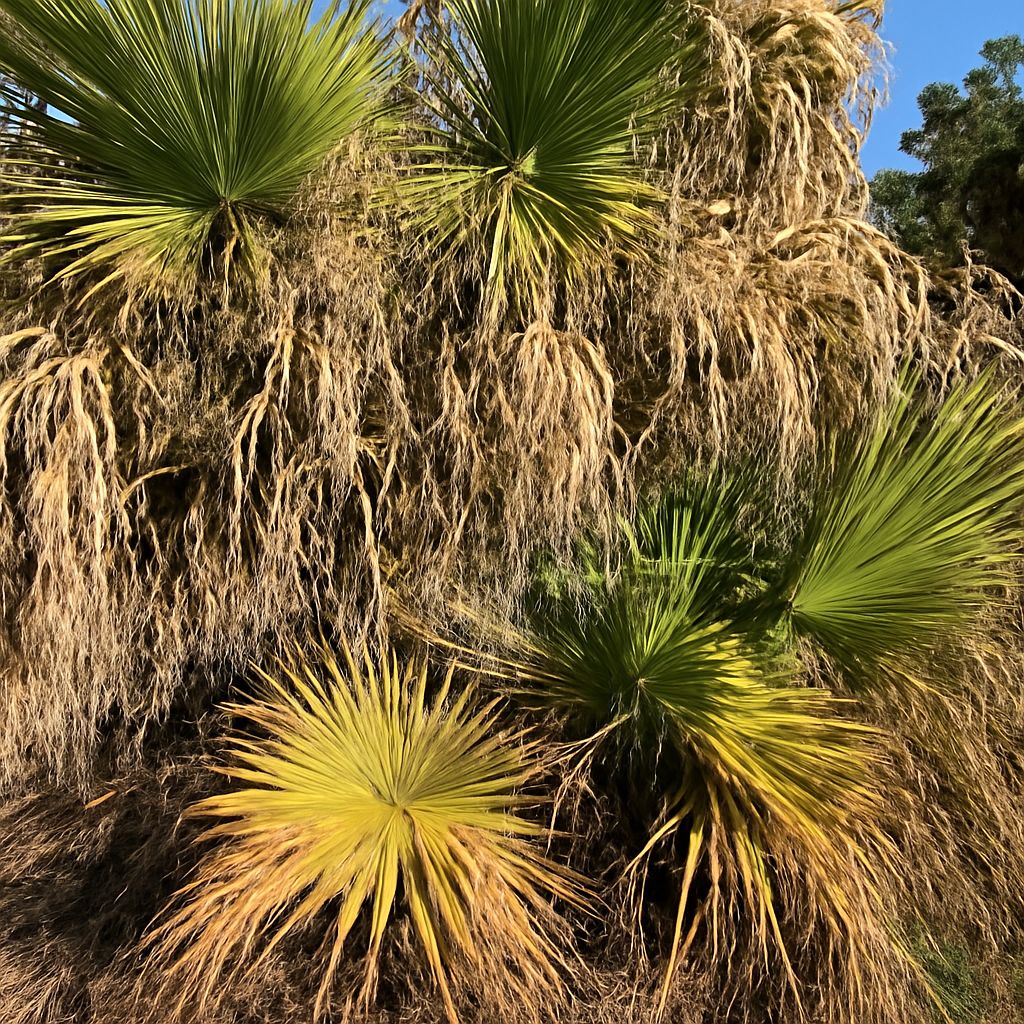
How to Skin a Palm Tree: A Quick Guide
While not related to skincare, knowing how to skin a palm tree can be useful for gardeners or those involved in landscaping. Skinning, or removing the dead fronds, helps maintain the tree’s health and appearance. To safely skin a palm tree, use a sharp knife or pruning saw, carefully cutting away the dead fronds from the base while avoiding damage to the live parts of the tree.
Safety is paramount; wear gloves and protective eyewear to prevent injury from sharp tools or falling fronds. It is recommended to perform this task when the fronds are dry, as this makes the process easier and safer.
Bottom line: Achieving radiant, healthy skin involves a combination of natural methods, effective products like rejuvenate skin cream, and techniques to repair damaged skin. By understanding these options and implementing them safely, you can maintain a youthful, rejuvenated appearance.

Leave a Reply