
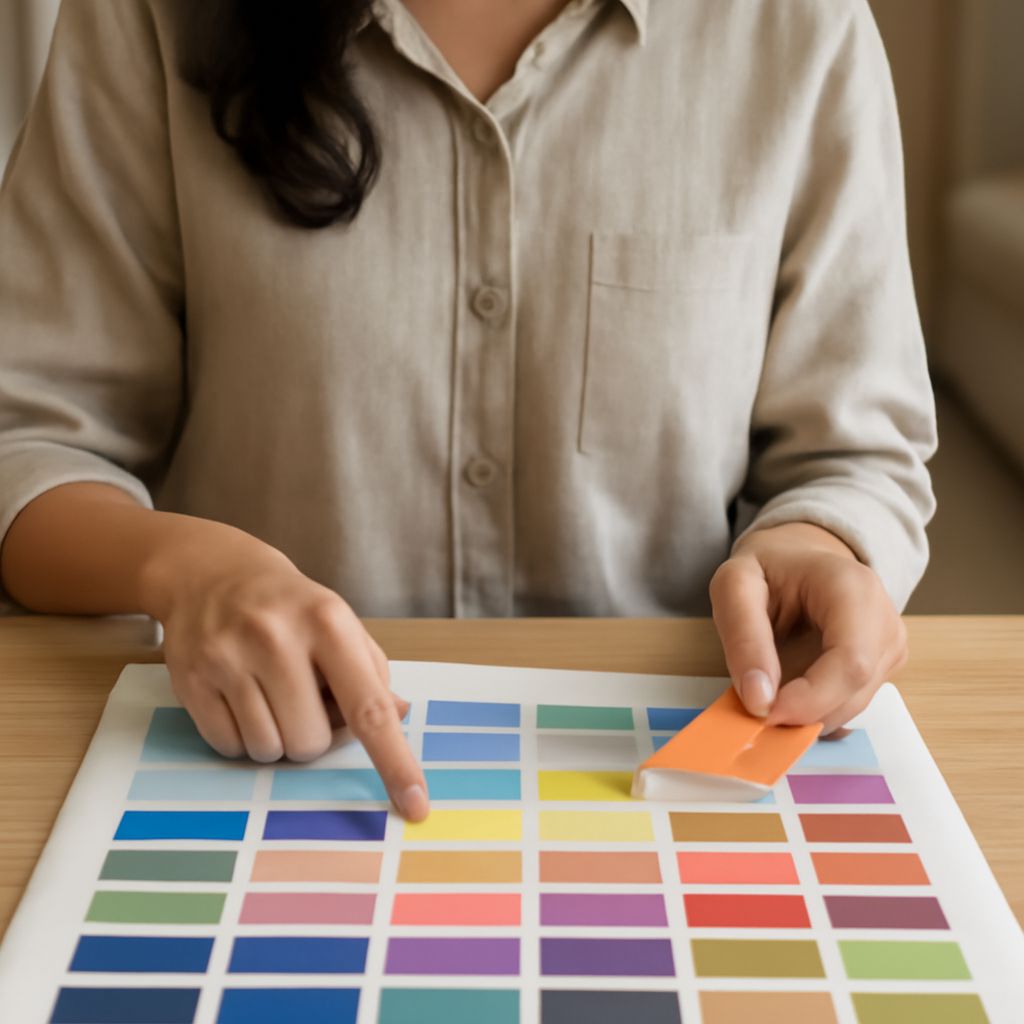
Asian skin tones present a beautiful and diverse spectrum of colors, yet finding the best colors for Asian skin can often be challenging due to the wide variety of undertones and hues. Understanding your unique skin tone is the first step toward enhancing your natural beauty. With the help of an Asian skin tone chart, you can identify the right colors that complement your complexion and help you make better-informed beauty and fashion choices.
This guide will explore the characteristics of Asian skin tones, provide tips on how to identify your skin tone using reliable charts, and discuss the best colors for Asian skin. It will also offer practical skincare advice, ensuring you embrace your natural beauty while maintaining healthy skin.
What Is an Asian Skin Tone?
Characteristics of Asian Skin Tones
Asian skin tones are typically characterized by a range of complexions, from fair to deep. A significant feature of Asian skin is its yellow or golden undertones, although some individuals may also have a pink or olive undertone. This diversity makes it crucial to correctly identify your personal skin tone to choose colors and products that enhance your natural features.
The rich melanin content in Asian skin provides some natural protection against the sun, which can result in fewer wrinkles and a generally smoother texture. However, this also makes Asian skin more prone to hyperpigmentation and uneven skin tone if not properly cared for.
Common Misconceptions About Asian Skin
A common misconception is that all Asian skin tones are the same. This is far from true. Asian skin encompasses a wide variety of shades and undertones which vary significantly across different ethnicities and regions. Another myth is that sun protection is not as necessary for Asian skin, but UV damage can still cause long-term issues, including dark spots and premature aging.
How to Identify Your Asian Skin Tone
Using an Asian Skin Tone Chart An Asian skin tone chart can be a valuable tool in identifying your specific skin tone. Such charts categorize various shades and undertones found in Asian skin, which can help in selecting the most flattering colors and products. To use the chart effectively, compare your skin in natural light to the shades on the chart to determine your closest match.
These charts often include categories such as fair, medium, tan, and deep, with additional notes on undertones—ranging from cool and warm to neutral. Recognizing whether your skin has more of a golden, olive, or even a pinkish hue can guide you in choosing the right shades in makeup and clothing.
Factors That Affect Skin Tone
Several factors can affect your skin tone, including genetics, sun exposure, and overall health. While genetics determine your natural skin tone and undertone, external factors like sun exposure can alter its appearance, sometimes causing it to tan or develop dark spots. Staying hydrated and maintaining a balanced diet that includes vitamins and antioxidants can also help in preserving a healthy complexion.
What Are the Best Colors for Asian Skin?
Choosing Clothing Colors The best clothing colors for Asian skin tones often depend on the undertone of your skin. For those with warm undertones, earthy colors like gold, brown, and orange can be very flattering. If your skin has cooler undertones, jewel tones like emerald green, ruby red, or sapphire blue can provide a striking contrast, enhancing your natural glow.
Neutral colors, such as beige and ivory, are versatile and work well for most Asian skin tones. Pastels can also be effective, especially for fairer skin, as they highlight delicate features without overwhelming them.
Makeup Tips for Asian Skin Tones
Finding the right makeup for Asian skin can make a significant difference in highlighting your features. For foundation, it is essential to choose a product that matches both your skin tone and undertone to achieve a natural look. Warm undertones pair well with peachy or yellow-based foundations, while cooler undertones benefit from foundations with a pink base.
When it comes to eye makeup, shades like bronze, gold, and copper enhance warm undertones, while silver and plum shades work well for cooler undertones. For lips, warm undertones can experiment with coral and orange-red shades, while cool undertones might prefer shades of berry or mauve.
How to Care for Different Asian Skin Tones
Skincare Tips Caring for Asian skin involves a consistent routine that addresses its unique needs. Cleansing is crucial to remove impurities and maintain clear skin. Hydration is important, so use a good moisturizer to keep your skin supple and prevent dryness, which can accentuate uneven skin tone. Regular exfoliation helps in reducing hyperpigmentation and improving skin texture.
Asian skin is prone to sensitivity, so it is advisable to use products with gentle, natural ingredients. Avoid harsh chemicals and opt for products formulated for sensitive skin to prevent irritation and inflammation.
Sun Protection Strategies
Sun protection is an essential part of skincare for Asian skin, despite its natural melanin content. UV exposure can lead to dark spots and skin aging, so wearing a broad-spectrum sunscreen with an SPF of at least 30 is recommended. Reapply every two hours, especially if you are outdoors or sweating.
Besides sunscreen, wearing protective clothing, sunglasses, and a wide-brimmed hat can further shield your skin from harmful UV rays. This not only helps in preventing sunburn but also maintains an even skin tone.
Pro Tips Recap
Embrace the beauty of your Asian skin tone by recognizing its unique characteristics and tailoring your beauty and care routines to suit it. Use an Asian skin tone chart for precise identification and opt for colors that complement your complexion. Prioritize skincare, including sun protection, to maintain your skin’s health and vitality. Remember, confidence is key, and understanding your skin tone is an empowering first step toward showcasing your natural beauty.





Leave a Reply