
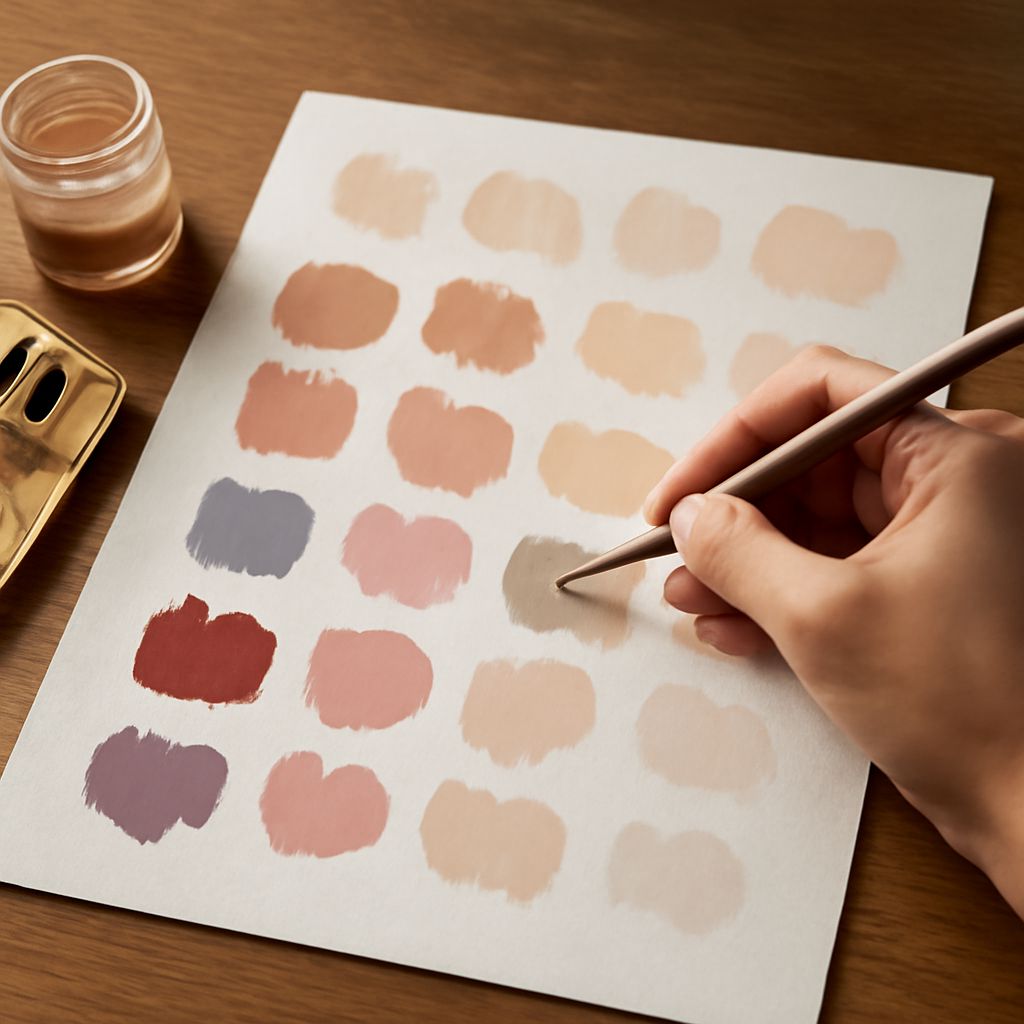
Painting skin tones effectively is a critical skill for artists seeking realism and depth in their artwork. The ability to capture the nuances of skin color allows for true expression through art, enhancing your overall mastery of painting. By understanding the techniques of skin painting, artists can overcome common challenges and unlock the potential of their work.
From selecting the right tools and paints to learning blending techniques, this guide provides a comprehensive overview of how to paint skin tones effectively. Whether you’re working traditionally or digitally, mastering this aspect of art ensures your creations are both compelling and realistic.
Why is Painting Skin Important?
The Significance of Skin Tones in Art
Skin tones play a vital role in art because they bring humanity and emotion to portraits and figures. Capturing the diverse range of hues and shades found in human skin helps convey cultural, emotional, and personal narratives within a painting.
Realism and Expression Through Skin Painting
Realism in skin painting allows artists to evoke lifelike appearances, creating pieces that resonate with viewers. By mastering skin tones, artists can express subtle emotions and personality traits, enhancing the storytelling aspect of their work.
What Tools Do You Need to Paint Skin?
Essential Brushes for Skin Painting
Choosing the right brushes is fundamental for painting skin. Soft, round brushes are excellent for blending, while flat brushes can help define edges and contours. It’s important to have a variety of sizes to address different elements of skin texture.
Choosing the Right Paints for Skin Tones
Selecting the correct paints is crucial. Artists usually prefer high-quality acrylics or oils that offer a wide range of pigments. Skin tones require subtle variations that can be achieved with a mix of primary colors and secondary hues.
Palette Setup for Skin Colors
A well-organized palette is key to painting skin effectively. Arrange your colors from light to dark, ensuring easy access to frequently used skin colors. Mixing small batches of custom colors can help achieve more realistic tones.
How to Paint Skin Tones Effectively
Understanding Skin Tone Variations
Comprehending the diversity in skin tones is pivotal. Factors like ethnicity, lighting, and environment influence how skin appears. Study various skin types and observe how light interacts with skin to improve accuracy.
Blending Techniques for Smooth Skin
Blending is essential for smooth transitions between skin tones. Techniques like dry brushing, stippling, or using a wet-on-wet method can help achieve seamless gradients. Patience and practice are crucial for mastering these methods.
Layering Colors for Depth in Skin Painting
Layering colors allows for greater depth and realism. Start with a base skin color and progressively add layers to build complexity. Use glazes or thin washes to develop subtleties in skin texture and tone.
Achieving Realistic Highlights and Shadows
Understanding light and shadow is crucial for realistic skin painting. Observe how light interacts with skin surfaces, creating highlights and shadows. Use lighter colors to emphasize protruding areas and darker shades to suggest recesses.
What are Common Challenges in Painting Skin?
Dealing with Unnatural Skin Colors
Unnatural skin colors can arise from poorly mixed paints or incorrect lighting. Ensure your palette is balanced and verify your lighting setup to avoid unnatural results. Experimentation in mixing is essential to achieve the desired tones.
Avoiding Chalky or Muddy Skin Tones
Chalky or muddy tones are often a result of overmixing or using too much white. Minimize the use of pure white and instead opt for warmer light tones to maintain vibrancy. Layering and blending can help correct any muddiness.
Managing Light and Shadow
Mastering light and shadow in skin painting is challenging but necessary. Study the effects of direct and indirect lighting on skin to accurately depict shadows and highlights. Practice will enhance your ability to render these elements effectively.
How to Practice and Improve Your Skin Painting Skills
Creating a Skin Tone Study
Constructing a skin tone study is an excellent way to refine your painting skills. Focus on painting various skin types under different lighting conditions, which will help you understand the complexities involved in skin tone rendering.
Experimenting with Different Skin Types
Exploration of different skin types enhances your adaptability as an artist. Practice painting individuals from diverse ethnic backgrounds, analyzing how various tones and textures respond to different techniques.
Feedback and Critique from Other Artists
Receiving feedback from other artists is invaluable. Constructive criticism can guide improvements in your technique, helping you identify and rectify weaknesses in your skin painting approach.
Can You Paint Skin Digitally?
Digital Tools for Painting Skin Tones
Digital painting offers a wealth of tools for skin tone rendering. Programs like Photoshop provide brushes and layers that mimic traditional techniques. Exploit digital features to experiment and refine your skin painting digitally.
Techniques for Digital Skin Painting
Various digital techniques can enhance skin tone realism. Utilize blending modes, opacity adjustments, and digital brushes to create lifelike skin textures. Experimenting with digital layers allows for non-destructive editing and refinement.
Pro Tips Recap: Mastering the art of painting skin tones involves understanding variation, choosing the right tools, and practicing regularly. Whether traditionally or digitally, refine your techniques and learn from feedback to continually improve. Remember, safety first; always use sharp tools carefully and ensure paints or digital equipment are used appropriately.





Leave a Reply