
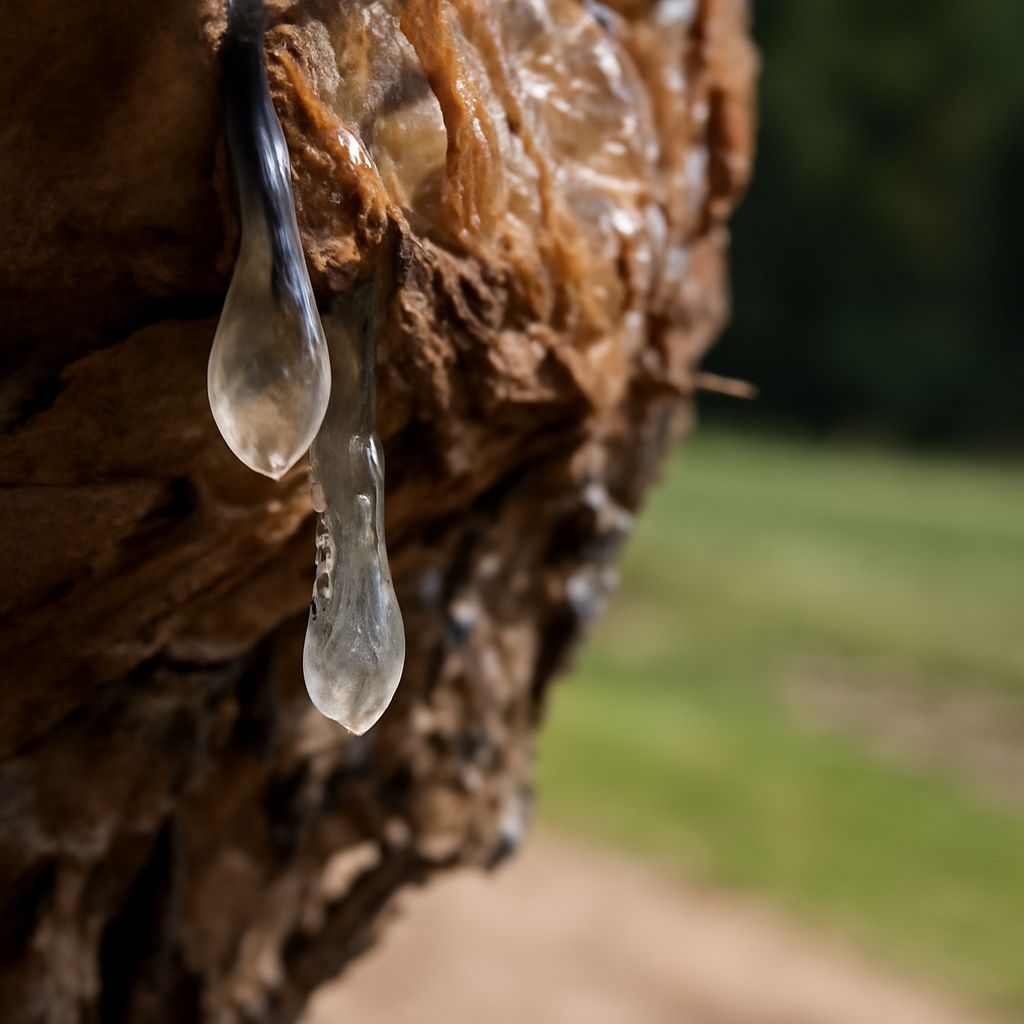
Tree sap can be a sticky nuisance when it comes into contact with your skin. The challenge of removing sap from skin can leave many people frustrated. Fortunately, there are simple and effective solutions that can help you remove tree sap without causing skin irritation. By using common household items and understanding the best practices, you can quickly and safely tackle this problem.
Whether you’re an outdoor enthusiast or someone who simply enjoys a walk among the trees, knowing how to safely remove sap from skin is beneficial. This article will guide you through understanding why tree sap sticks to skin, the best methods for removal, how to protect your skin from exposure, and what to avoid in the process. Let’s dive in to ensure your outdoor adventures aren’t marred by sticky situations.
What Causes Tree Sap to Stick to Skin?
Understanding Tree Sap Composition
Tree sap is a complex mixture of sugars, water, and other organic compounds. It serves as a transport system for nutrients throughout the tree. The sticky nature of sap comes from its high sugar content, which allows it to adhere easily to various surfaces, including your skin. Knowledge about the composition of tree sap can help in determining effective methods to remove sap from skin.
Common Scenarios for Sap Exposure
Exposure to tree sap often occurs during outdoor activities like hiking, camping, or gardening. Individuals who work in forestry or landscaping may frequently encounter sap. It can also happen when collecting firewood or during holiday activities such as cutting down a Christmas tree. Awareness of these scenarios can help you prepare and take preventive measures to protect your skin.
What Are the Best Methods to Remove Tree Sap from Skin?
Using Household Items Some household items are surprisingly effective at removing sap from skin. One of the most common solutions is using cooking oil or olive oil. Apply a small amount of oil to the sap-affected area and gently rub it in. The oil helps to loosen the sap, making it easier to wash away with soap and water. Another option is using peanut butter, which contains natural oils that can break down the sap’s stickiness.
Additionally, baking soda mixed with water to form a paste can be used as a gentle abrasive to remove sap. Apply the paste, let it sit for a few minutes, then gently scrub the area before rinsing. Consider these items next time you need to remove sap from skin effectively.
Commercial Solutions for Tree Sap Removal
Several commercial products are designed specifically to remove tree sap from various surfaces, including skin. These products often contain solvents that dissolve sap quickly without causing irritation. Always follow the instructions on the product label and perform a patch test to ensure it doesn’t irritate your skin. Such products can be a reliable choice when household items aren’t sufficient.
How Can You Protect Your Skin from Tree Sap?
Preventive Measures
Preventing sap from sticking to your skin involves wearing appropriate clothing, such as long sleeves and gloves, while engaging in activities that may expose you to sap. Applying a protective barrier cream can also be effective in minimizing contact. Being mindful of your environment and the trees you interact with can further reduce the chances of sap exposure.
Post-Exposure Skin Care Tips
Once you have removed sap from your skin, it’s important to care for your skin to prevent irritation. Gently wash the area with mild soap and water to remove any residue. Applying a moisturizer can help soothe the skin, especially if the sap was removed using abrasive methods. Keeping the skin hydrated will aid in maintaining its health.
What Should You Avoid When Removing Tree Sap?
Common Mistakes
Avoid using harsh chemicals or abrasives that can damage your skin further. Products like nail polish remover or acetone, while effective, can be too harsh and lead to skin irritation. Additionally, do not scrub too vigorously; it can cause redness and discomfort.
Skin Safety and Health Precautions
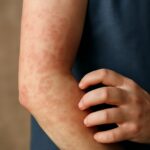
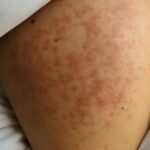
Your skin’s health should always be a priority. When using any new product or method to remove sap from skin, perform a patch test first. This helps ensure you don’t have an allergic reaction. If you experience any discomfort or skin irritation, discontinue use immediately and consult a healthcare professional if necessary. Safety in sap removal is vital to maintaining your skin’s integrity.
Bottom line: Removing tree sap from skin doesn’t have to be a daunting task. By understanding why sap sticks and using effective methods, you can easily tackle this sticky situation. Remember to protect your skin and prioritize safety, ensuring your outdoor experiences remain enjoyable and sap-free.
Leave a Reply