
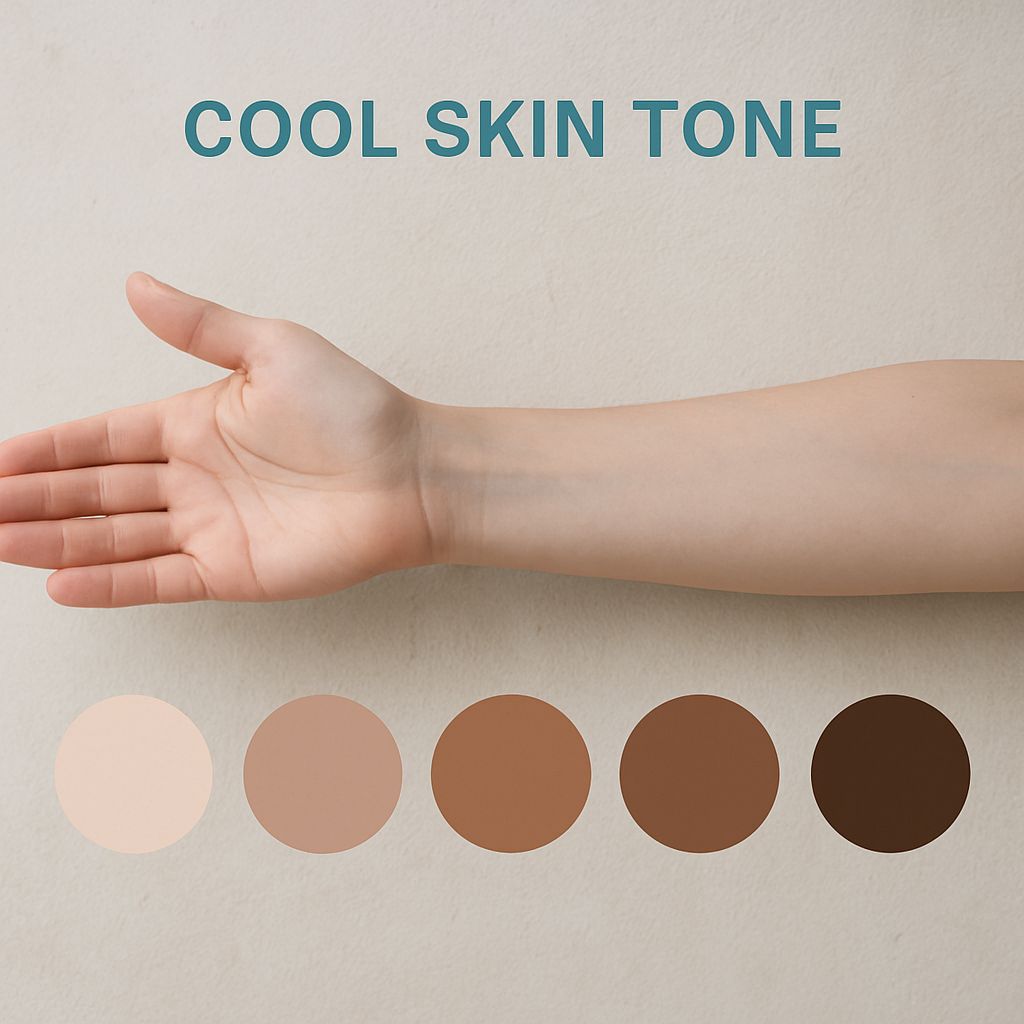
A neutral skin tone falls between the warm and cool ends of the undertone spectrum, borrowing qualities from both without committing to either. Understanding whether you have a warm or cool skin tone, or a neutral one, is the foundation of smart color choices in fashion and makeup. How to tell skin undertones is a question that trips up many people because the differences can be subtle. With a few easy tests at home you can learn how to tell your skin undertone with confidence. Knowing how to tell skin undertone unlocks everything from flattering clothing colors to the right foundation shade.
Neutral undertones are actually quite common, and people with them enjoy broad color flexibility. The guide below explains the key identification methods and how to use what you find.
What Is a Neutral Skin Tone?
Neutral undertone skin shows neither a distinctly pink or rosy cast (cool) nor a golden or olive warmth (warm). Instead it has a balanced blend of both. People with neutral undertones often find that both gold and silver jewelry work reasonably well, and they can wear a wider palette of clothing colors without looking washed out or overly warm. This balanced quality makes neutral undertones highly adaptable in beauty and fashion.
How Does the Vein Test Work?
Look at the veins on the inside of your wrist in natural daylight. Blue or purple veins point to cool undertones. Green or olive-tinted veins point to warm undertones. If your veins appear blue-green or you genuinely cannot determine one dominant color, you likely have a neutral skin tone. This remains one of the simplest and most reliable starting points for learning how to tell your skin undertone at home.
What Does the Jewelry Test Reveal?
Hold a piece of silver jewelry and then a piece of gold jewelry close to your bare face in natural light. If silver makes your complexion look brighter and more alive, your undertone runs cool. If gold does the same, your undertone runs warm. For warm or cool skin tone decisions, if both metals look similarly good, or if neither is clearly better, a neutral undertone is the most likely explanation. This method is quick, requires no special tools, and works at any skin depth from very fair to deep.
How Does the White Paper Test Help?
Hold a plain sheet of white paper next to your bare face. Against true white your skin will cast a slight color: pinkish or bluish for cool undertones, yellowish or golden for warm, and no clear cast for neutral. Many dermatologists consider this a reliable way of explaining how to tell skin undertones without expensive tools. The key is using clean, unprinted white paper in daylight rather than under fluorescent light, which skews results.
Which Colors Suit a Neutral Skin Tone?
The flexibility of a neutral undertone means most colors are viable. Soft whites and cream tones look clean. Dusty pinks and muted corals work without looking garish. Navy, forest green, and burgundy all read rich rather than clashing. Neutrals such as camel, stone, and warm gray particularly flatter balanced-undertone complexions. You can also experiment more freely with bold fashion colors because neither the warmth nor coolness of the shade will fight aggressively against your skin. Avoid colors that specifically clash with your unique mix, which you will identify through trial and wearing the colors near your face.
How Do You Choose Foundation for a Neutral Undertone?
Look for foundations labeled neutral (N) rather than warm (W) or cool (C). Neutral foundations balance yellow and pink pigments equally. Test shades on your jawline in natural light and check after blending whether the formula disappears or creates a color mismatch. Foundations with a “beige” descriptor often perform well on neutral undertones. If a foundation looks slightly orange or too pink on your jaw, it is the wrong undertone match regardless of the depth level.
Bottom line: A neutral skin tone is characterized by an equal mix of warm and cool undertones, making it one of the most versatile complexion types. Use the vein test, jewelry test, and white paper test together to confirm your undertone, then lean into the broad palette flexibility that neutral skin tone offers.





Leave a Reply